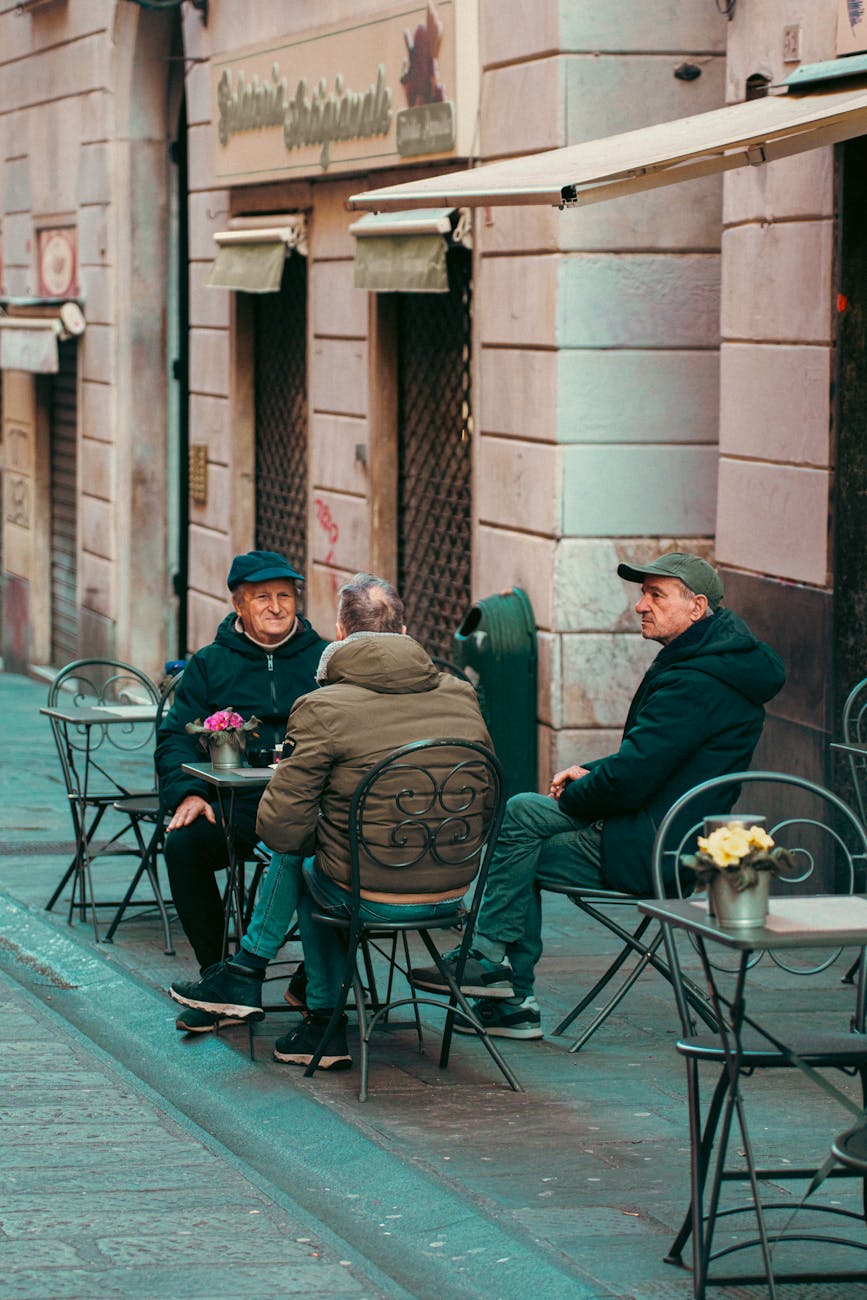
Few experiences capture the heart and soul of Italy quite like stepping into a bustling café, exchanging a quick “Buongiorno”, and sipping a perfectly crafted espresso at the bar. Coffee in Italy is a ritual, a social glue, and a daily expression of Italian identity.
A Brief History of Coffee Culture in Italy
Coffee first arrived in Italy in the 16th century, carried along the bustling trade routes that connected the East to the powerful maritime republic of Venice. At the time, it was an exotic and somewhat mysterious drink, often sold in apothecaries and associated with luxury and intellect. It didn’t take long, however, for coffee to move beyond the elite and into everyday life. By the 17th century, coffee houses began to appear, becoming lively spaces for conversation, debate, and social exchange.
Over the following centuries, coffee became more accessible, but it was in the early 20th century that Italy truly transformed it. The invention and refinement of the espresso machine changed not just how coffee was made, but how it was experienced. Instead of long, drawn-out brewing methods, espresso offered something immediate, rich, concentrated, and ready in seconds. Perfectly matching the rhythm of Italian life, where even a short pause could be meaningful.
From that point on, espresso became the beating heart of coffee culture in Italy. It became a ritual. Quick, intense, and often taken standing at the bar, it fit seamlessly into the flow of daily life. Over time, these small moments: morning cappuccinos paired with a pastry, a midday espresso break, a quick coffee after lunch, became ingrained in daily routines.
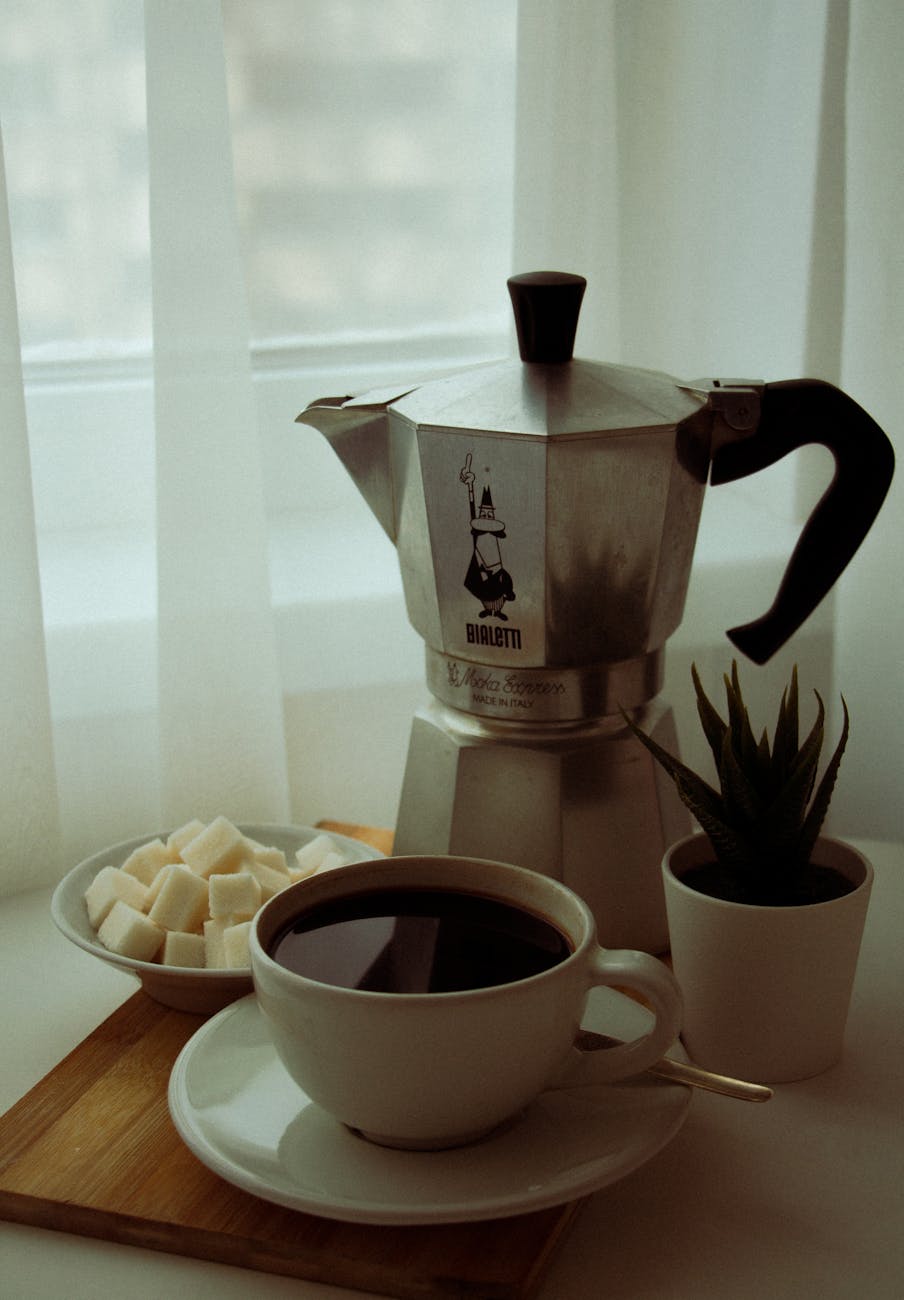
Understanding Coffee in Italy
If you’re used to long menus and endless customisation, coffee in Italy can feel almost too simple at first. But that simplicity is intentional.
Order “a coffee” and you’ll be served an espresso. No clarification needed. It’s the default, the standard, the thing everything else revolves around. Small, rich, and perfectly balanced, it’s designed to be drunk quickly, but never rushed, and never dragged out either.
There are, of course, variations. A cappuccino is softer, topped with milk foam, and almost always part of a slow Italian morning, usually alongside a pastry. A macchiato adds just a touch of milk to an espresso, while a ristretto offers something shorter and more intense.
Classic Italian Coffee Drinks
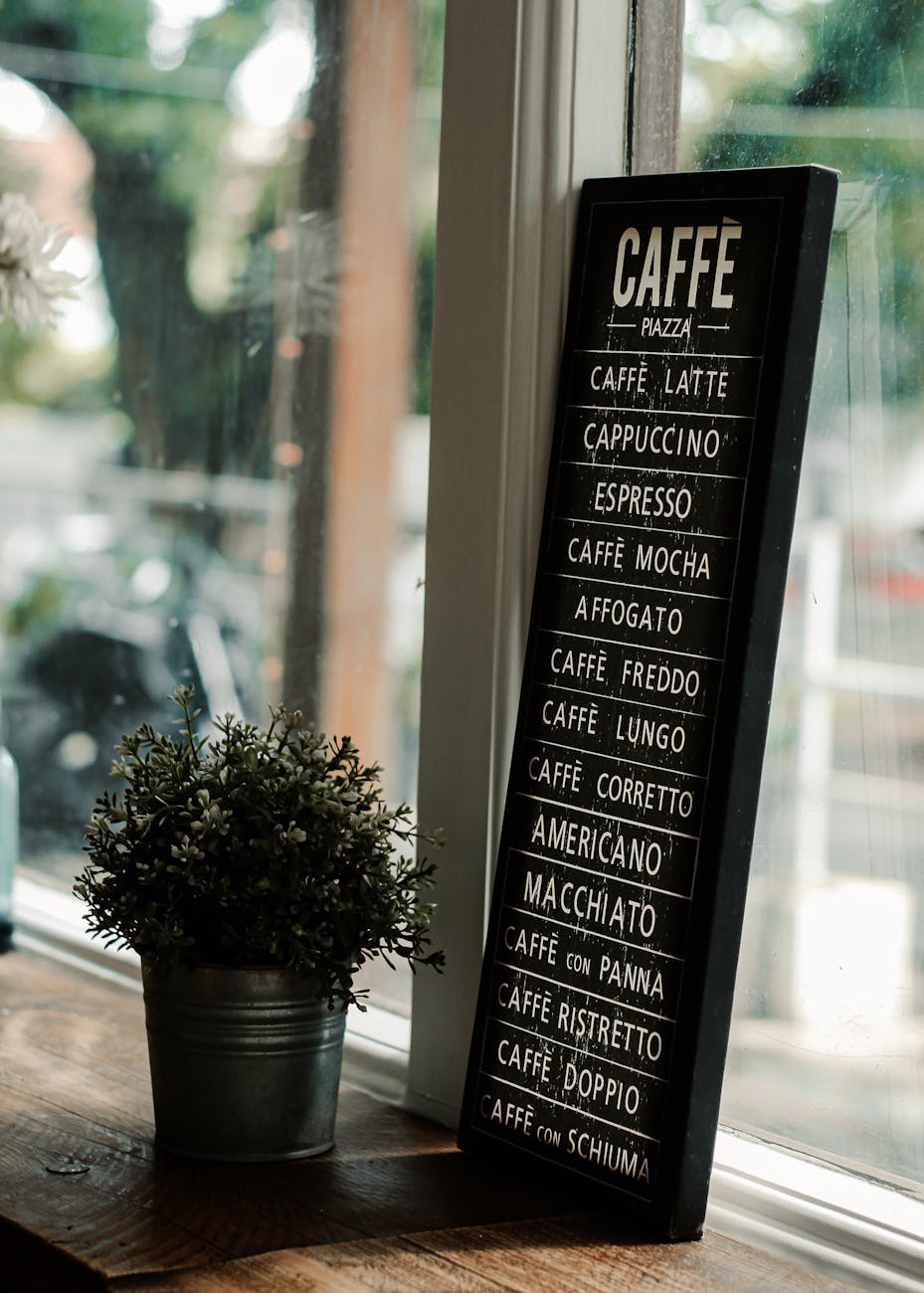
- Espresso (caffè) – The heart of coffee in Italy. A small, strong shot of coffee.
- Cappuccino – Espresso with steamed milk and foam, typically enjoyed only in the morning.
- Caffè Latte – Milk with a small amount of coffee (different from a “latte” abroad).
- Macchiato – Espresso “stained” with a drop of milk.
- Ristretto – A shorter, more concentrated espresso.
- Lungo – A longer espresso with more water.
- Caffè Americano – Espresso diluted with hot water, closer to drip coffee.
The Unspoken Rules (That Everyone Follows)
You won’t find a list of rules posted on the wall, but spend a little time in an Italian café and you’ll start to notice them.
Cappuccino belongs to the morning. It’s tied to breakfast, to slow starts and flaky pastries. Ordering one after lunch might not earn you a reprimand, but it will quietly mark you as an outsider. Italians tend to switch to espresso as the day moves on.
Then there’s the way coffee is consumed. Most people drink it standing at the bar, often in just a few sips. It’s not rushed, but it’s efficient. Sitting down changes the experience entirely, it becomes slower, more expensive, and more about the setting than the coffee itself.
There’s also an unspoken appreciation for simplicity. Orders are short, direct, and to the point. No long lists of preferences, no elaborate requests. Just a quiet understanding between customer and barista.
None of these rules are strict in the sense that you’ll be corrected, but following them helps you slip, almost unnoticed, into the rhythm of Italian life.
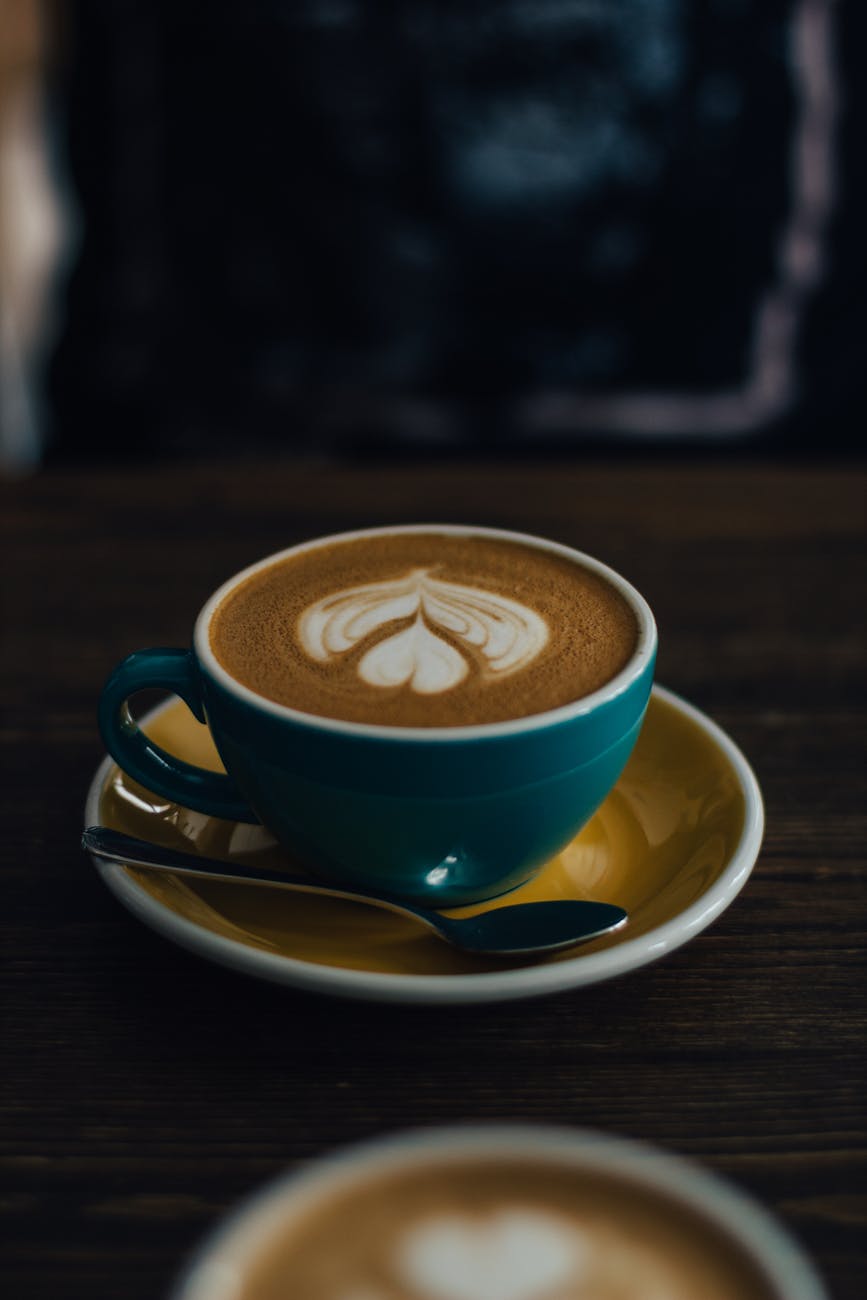
The Bar: The Heart of Daily Life
To understand coffee culture in Italy, you have to understand the bar.
Despite the name, it’s not really about alcohol, at least not for most of the day. It’s a place for coffee, conversation, and routine. A place where people pass through multiple times a day, often without even thinking about it.
In the morning, it’s all about cappuccino and something sweet. By midday, the pace shifts to people stopping in for a quick espresso, exchanging a few words, then heading back out into the street. In the afternoon, it becomes a quiet meeting point, a place to pause and reset before the day continues.
What makes it special isn’t just the coffee, but the familiarity. Baristas remember how you take your coffee. Regulars greet each other without needing more than a nod. There’s a rhythm to it all, built on small, repeated moments that rarely draw attention to themselves.
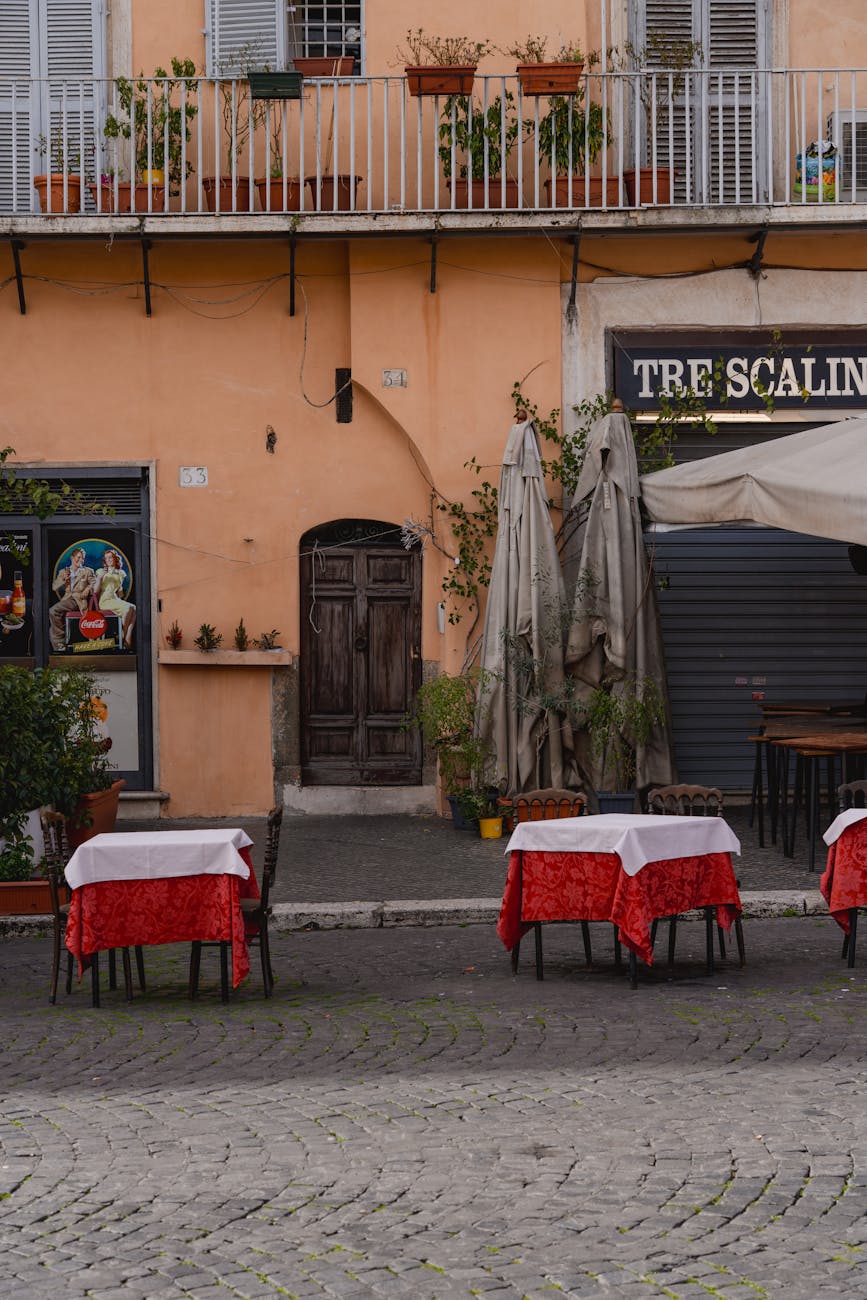
And that’s where coffee in Italy becomes something more than just a drink.
It’s part of a way of living that values simplicity over excess, presence over distraction. You don’t sit with your laptop for hours or rush out with a takeaway cup in hand. You drink your coffee where it’s made, at the counter while it’s still perfect. It might last less than a minute. But in that minute, you pause.
As a visitor, you might only experience it briefly. But it stays with you, because it’s never really just about the coffee. It’s about the feeling of being there, even for a moment, fully present in the quiet rhythm of Italian life.
A Country of Subtle Differences
While the essence of coffee culture in Italy remains the same across the country, each region adds its own quiet variation.
In Naples, coffee feels almost sacred. It’s strong, deeply flavoured, and tied to traditions like caffè sospeso – a small act of generosity where you pay for an extra coffee for someone who might need it later. There’s a warmth to it, a sense that coffee is as much about community as it is about taste.
In Rome, things are more straightforward. Coffee is quick, reliable, and everywhere. You don’t search for a great espresso, you simply step into the nearest bar and trust that it will be good.
Milan, on the other hand, brings a slightly more modern feel. The cafés are often more design-focused, the atmosphere a little more polished, with subtle influences from international coffee trends.
These differences aren’t dramatic, but they’re there if you look for them. And noticing them adds another layer to the experience of coffee in Italy.
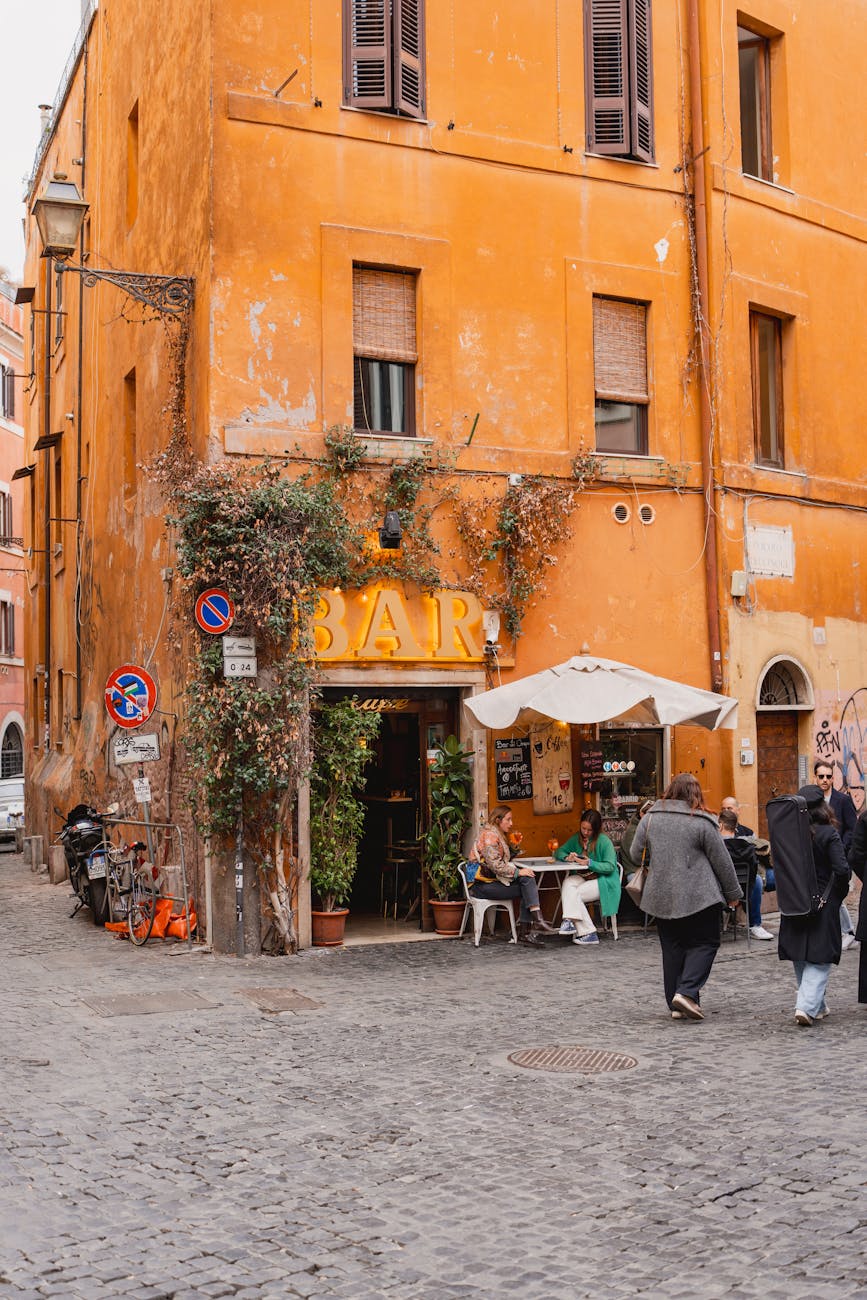
Experiencing coffee culture in Italy is one of the simplest yet most meaningful ways to connect with the country. So next time you’re in Italy, step into a local bar, order “un caffè,” and enjoy it the Italian way: standing, savouring, and fully present.
Because in Italy, even the smallest cup can hold a world of culture.
 Italy with Amore