You can download our full travel guide to Rome for FREE here
Nestled in the heart of Italy lies a city where ancient history meets modern allure, where cobblestone streets wind past iconic landmarks and bustling piazzas. Rome, the Eternal City, beckons travellers with its rich tapestry of art and architecture, offering a journey back through thousands of years of history.
Below we embark on a captivating exploration of the Eternal City, where every cobblestone street and ancient ruin whisper stories of the past.
A Very Much Non-Exhaustive List of Some Places to See:
Ancient Rome
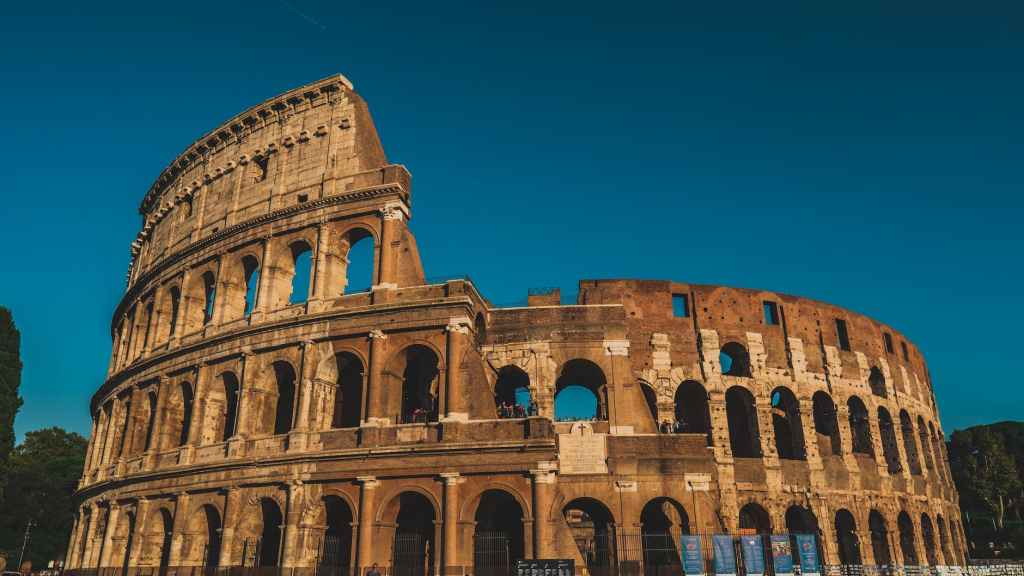
The Colosseum: Icon of Imperial Rome

Standing as a symbol of Roman engineering prowess and entertainment, the Colosseum is perhaps the most iconic relic of ancient Rome. Built in the 1st century AD, this monumental amphitheatre once hosted gladiatorial contests, animal hunts, and other spectacles that enthralled audiences of over 50,000 people. Today, visitors can wander through its ancient corridors, marvel at its towering arches, and imagine the roar of the crowds that once filled its stands.
Roman Forum: Heart of Ancient Rome
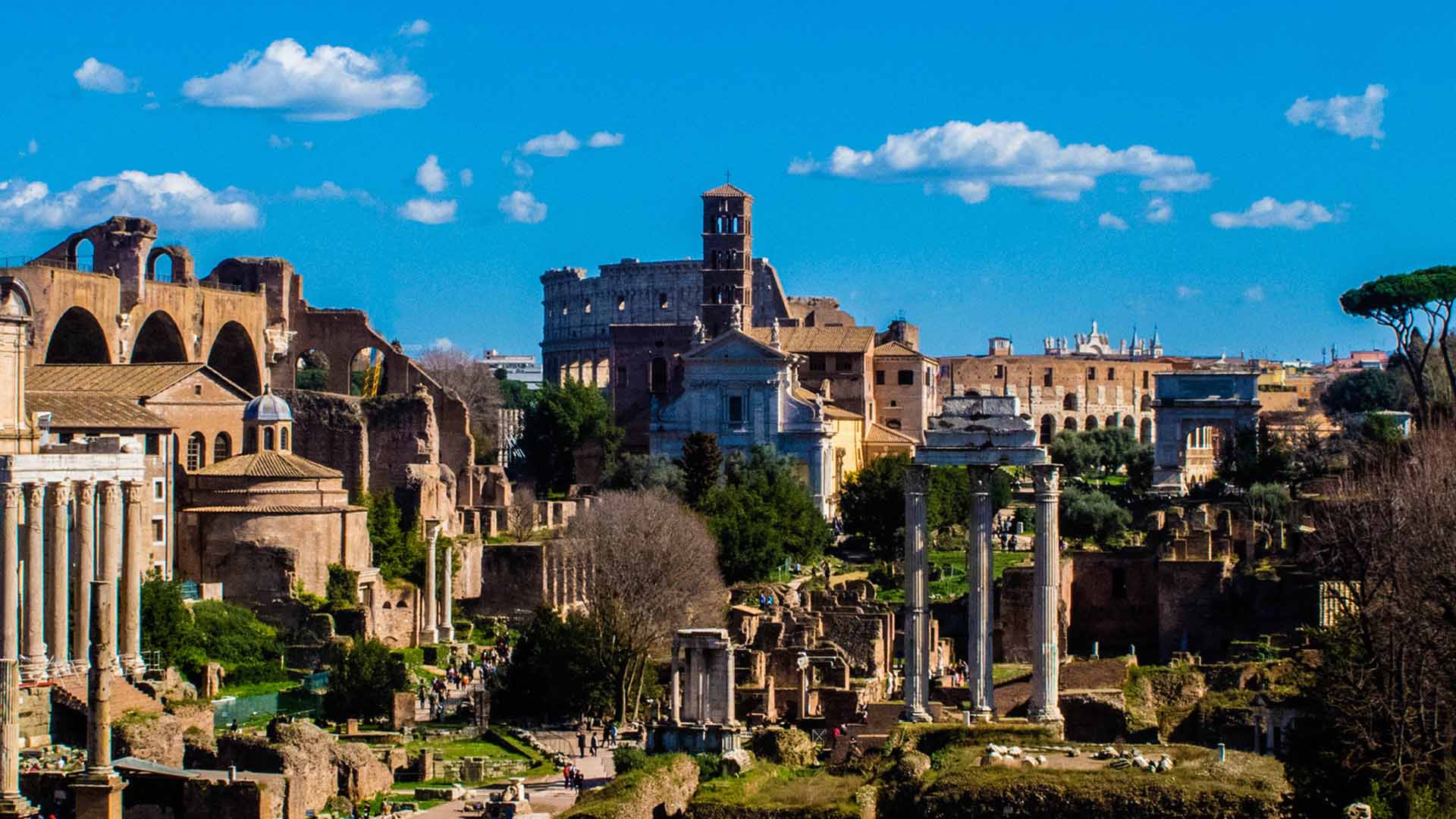
Adjacent to the Colosseum lies the Roman Forum, the political, social, and commercial centre of ancient Rome. Here, amidst the ruins of temples, basilicas, and government buildings, visitors can trace the footsteps of emperors, senators, and ordinary citizens who shaped the destiny of the Roman Empire. Highlights include the Temple of Saturn, the Arch of Septimius Severus, and the Temple of Vesta, each offering insights into the daily life and grandeur of ancient Rome.
The Ara Pacis Augustae: Altar of Peace

Dedicated to the Roman goddess Pax, the Ara Pacis Augustae is a beautifully preserved altar commissioned by the Senate in 13BC to commemorate the return of Augustus to Rome after three years of absence. Adorned with intricate relief sculptures depicting scenes of prosperity and harmony, this ancient monument symbolizes Augustus’ vision of a peaceful and prosperous Roman Empire. Now housed in the Museum of the Ara Pacis , vsitors can admire the delicate carvings of the Ara Pacis, explore its surrounding gardens, and contemplate the ideals of peace and stability that it represents.
The Baths of Caracalla: Grandeur and Luxury

Built during the reign of Emperor Caracalla in the 3rd century AD, the Baths of Caracalla were among the largest and most luxurious public baths in ancient Rome. Spanning 25 acres, this sprawling complex boasted elaborate marble floors, intricate mosaics, and towering vaulted ceilings, offering visitors a glimpse into the opulent lifestyle of Roman elites. Today, visitors can explore the ruins of the baths, marvel at their monumental scale, and imagine the bustling atmosphere of ancient Roman society.
The National Roman Museum: Preserving Rome’s Legacy

The National Roman Museum is a treasure trove of Roman history and culture. Founded in the 19th century, this network of museums includes four main sites: the Palazzo Massimo alle Terme, the Palazzo Altemps, the Crypta Balbi, and the Baths of Diocletian. Visitors can explore a diverse range of exhibits, including ancient sculptures, frescoes, mosaics, coins, and everyday objects, offering insights into all aspects of Roman life.
The Capitoline Museums: Guardians of Rome’s Heritage
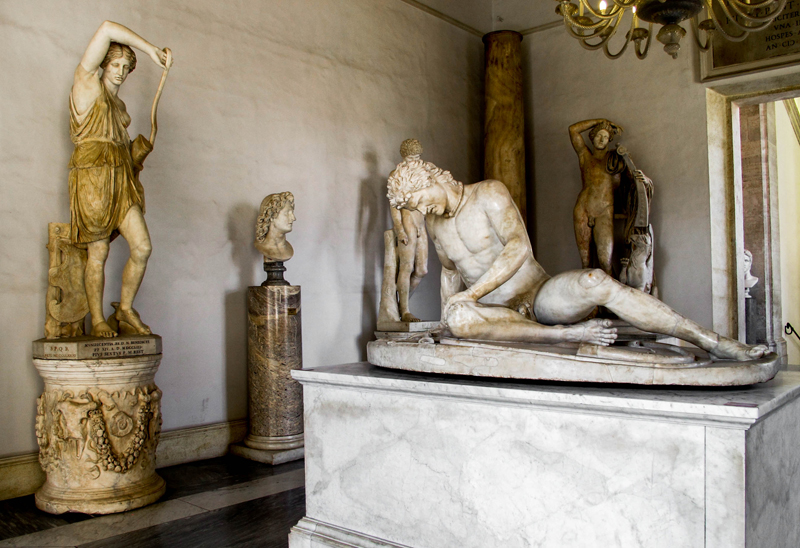
Perched atop the Capitoline Hill, overlooking the Roman Forum, the Capitoline Museums house a superb collection of ancient Roman art and artefacts. The origins of the museum can be traced back to 1471, however it was opened to the public in 1734 by Pope Clement XII, making the museums among the oldest public museums in the world. Visitors can find a wealth of archaeological finds spanning from the Roman Republic to the Renaissance.
The Magnificent Roman Churches
The Basilica of St. John Lateran: The Mother of All Churches

Known as the “mother of all churches,” the Basilica of St. John Lateran holds a special place in the hearts of Catholics worldwide. Founded by Pope Sylvester I in the early 4th century, this historic basilica served as the papal residence for centuries before St. Peter’s Basilica was built. Visitors can admire the grandeur of its Baroque façade and explore the ornate interior adorned with frescoes and marble sculptures.
The Pantheon: A Temple Transformed into a Church

Stand in awe of the Pantheon, a marvel of ancient Roman engineering. Visitors can admire the majestic dome and the oculus, a feat of architectural ingenuity that floods the interior with natural light. It is one of the best-preserved relics of ancient Rome, that stands as a testament to the ingenuity and craftsmanship of Roman architects. Built in the 2nd century AD, it was originally a temple to honour all Roman gods, and was later consecrated as a Christian church dedicated to St. Mary and the Martyrs.
Santa Maria Maggiore: A Jewel of Roman Mosaics
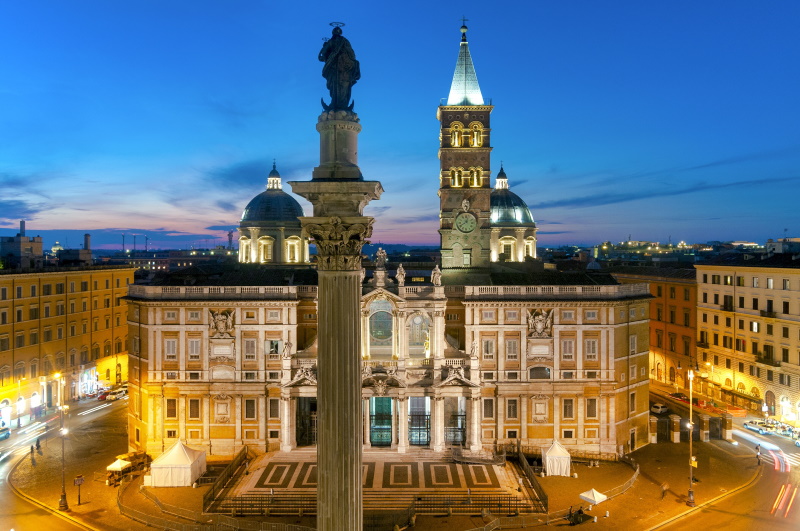
Step into the ethereal beauty of Santa Maria Maggiore, one of Rome’s four major basilicas and a masterpiece of Baroque architecture. Dating back to the 5th century, this basilica is renowned for its stunning mosaics, which depict scenes from the life of the Virgin Mary and the Nativity of Jesus. Visitors can admire the intricately decorated nave, chapels, and apse, and marvel at the ancient column.
Santa Maria in Trastevere: A Gem of Roman Christianity
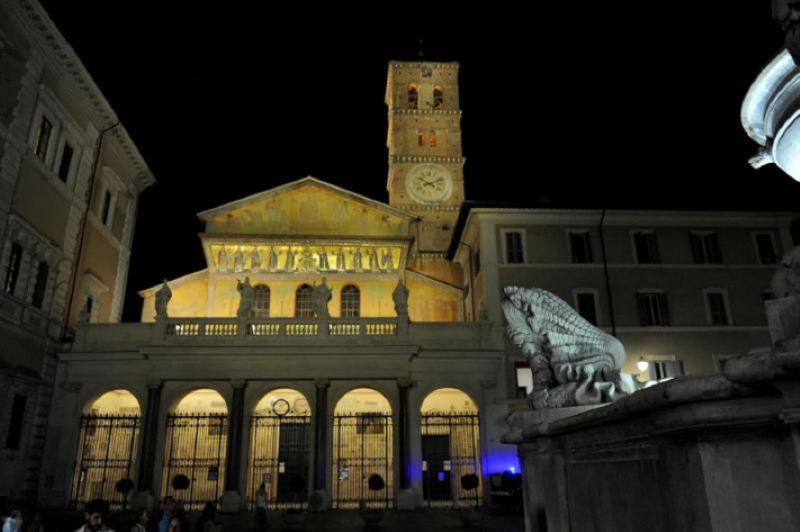
Tucked away in the charming neighbourhood of Trastevere lies Santa Maria in Trastevere, it is one of Rome’s oldest churches, possibly the first official place of Christian worship, and a hidden gem of Roman Christianity. Dating back to the 4th century, this basilica boasts a stunning façade, a serene interior adorned with frescoes and marble columns, and a beautiful Byzantine apse.
St. Peter’s Basilica and the Vatican City: A Symbol of Spiritual Majesty
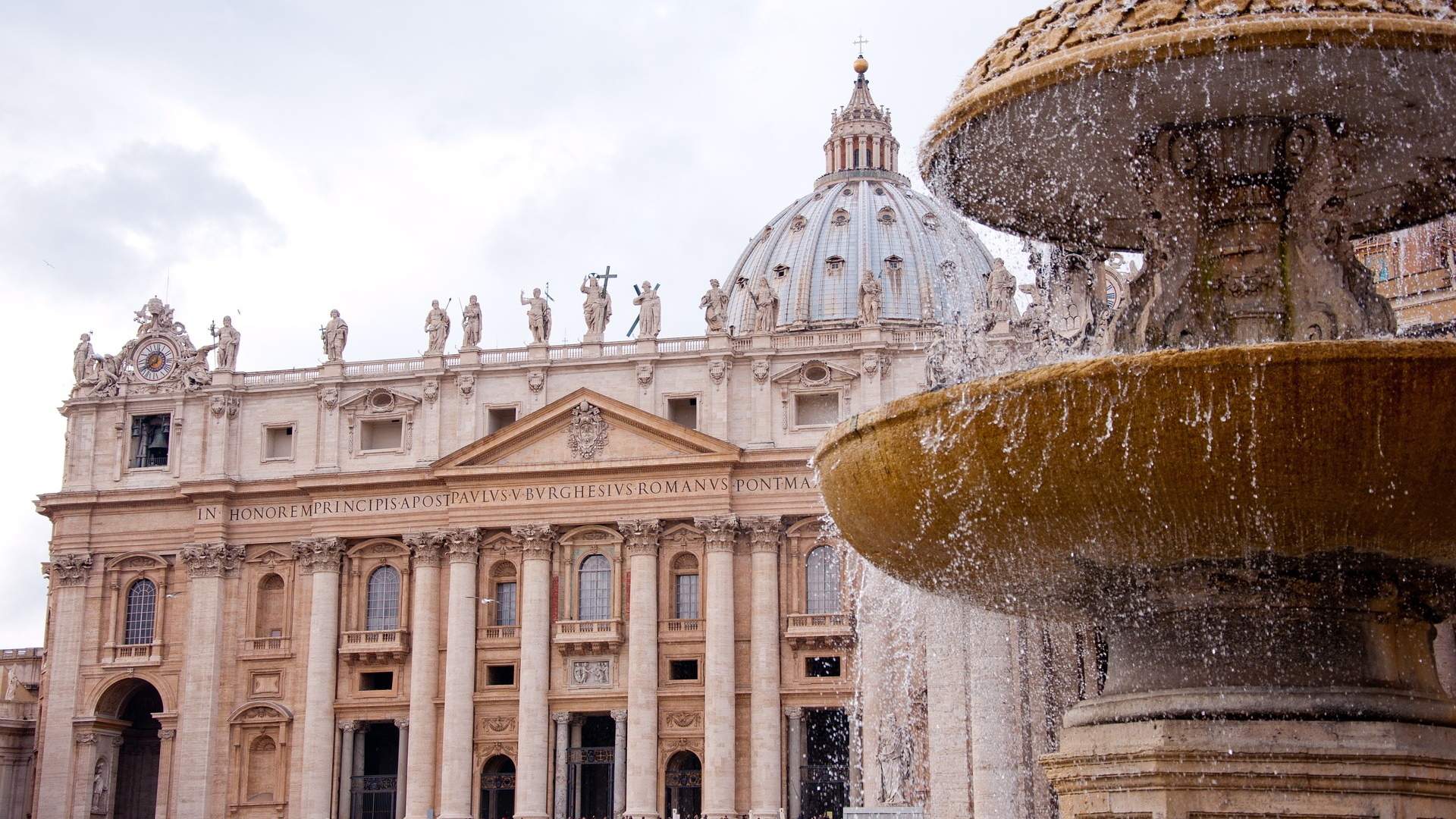
No visit to Rome is complete without stepping foot inside St. Peter’s Basilica, the largest church in the world and the centrepiece of Vatican City. Designed by renowned architects including Michelangelo and Bernini, this awe-inspiring basilica boasts a grandiose façade, intricate mosaics, and towering dome that soars above the skyline. Marvel at masterpieces such as Michelangelo’s Pietà and Bernini’s Baldacchino, and climb to the top of the dome for breathtaking views of the Vatican Gardens and the city beyond.
The Vatican Museums: A Treasure Trove of Art and History

No visit to Rome is complete without exploring the Vatican Museums, home to one of the world’s most impressive art collections. Housed within the walls of Vatican City, these vast museum complexes boast an array of galleries, halls, and chapels filled with masterpieces by renowned artists such as Michelangelo, Raphael, and Leonardo da Vinci. Highlights include the Sistine Chapel, adorned with Michelangelo’s breathtaking frescoes depicting scenes from the Book of Genesis, and the Raphael Rooms, adorned with frescoes by the Renaissance master himself. Visitors can also explore the Gallery of Maps, the Gregorian Egyptian Museum, and the Gregorian Etruscan Museum, offering insights into ancient Egyptian and Etruscan cultures.
Fountains
The Fountain of the Acqua Paola: The Big Fountain

Built in the early 17th century to commemorate the restoration of the Aqua Traiana aqueduct, this monumental fountain is perched atop the Janiculum Hill, overlooking the city of Rome, offering a breathtaking panorama of the Eternal City.
The Fountain of the Triton: Bernini’s Aquatic Marvel

Located in the bustling Piazza Barberini, the Fountain of the Triton is another dazzling creation by Gian Lorenzo Bernini. Built in the 17th century, this striking fountain features a muscular Triton holding a conch shell, from which water spouts forth in a dramatic display of motion and energy, and surrounding this central figure are four dolphins represented in their heraldic style.
The Fountain of the Pantheon: A Hidden Gem
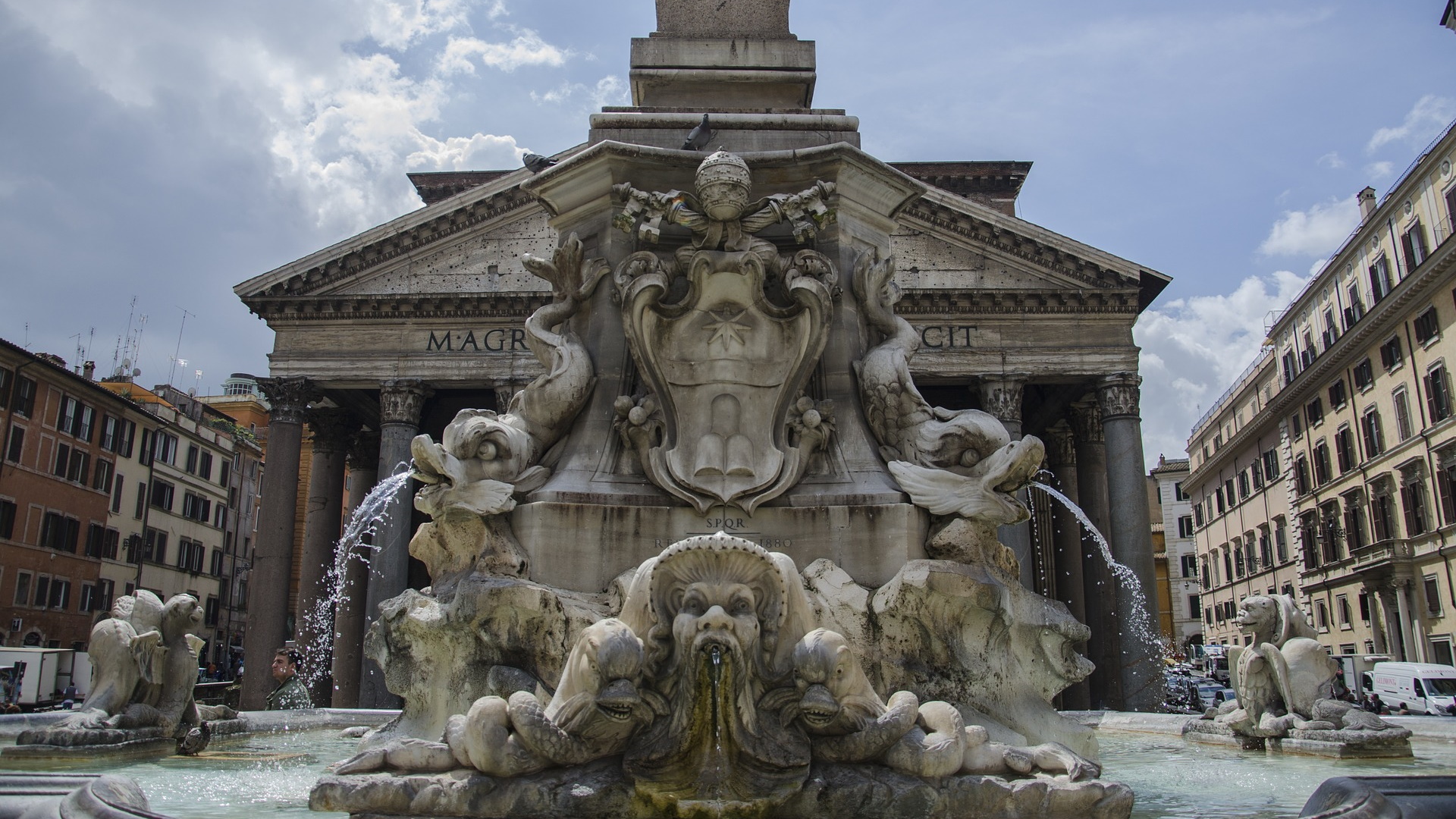
Right in the front of the Pantheon lies a hidden gem of Roman fountains: the Fountain of the Pantheon. Designed by Giacomo Della Porta and sculpted by Leonardo Sormani in the 16th century, and in the 18th century modified by Filippo Barigioni, this elegant fountain features an ancient Egyptian obelisk with four dolphins at the base.
The Fountain of Four Rivers: Piazza Navona’s Majestic Centrepiece

In the heart of Piazza Navona stands the Fountain of the Four Rivers, a majestic masterpiece designed by Gian Lorenzo Bernini in the 17th century. Representing the four major rivers of the continents known at the time – the Nile in Africa, the Ganges in Asia, the Danube in Europe, and the Rio de la Plata in the America – this imposing fountain features a copy of an Egyptian obelisk and intricate sculptures of gods, surrounded by lavish baroque ornamentation.
Trevi Fountain: The Baroque Jewel
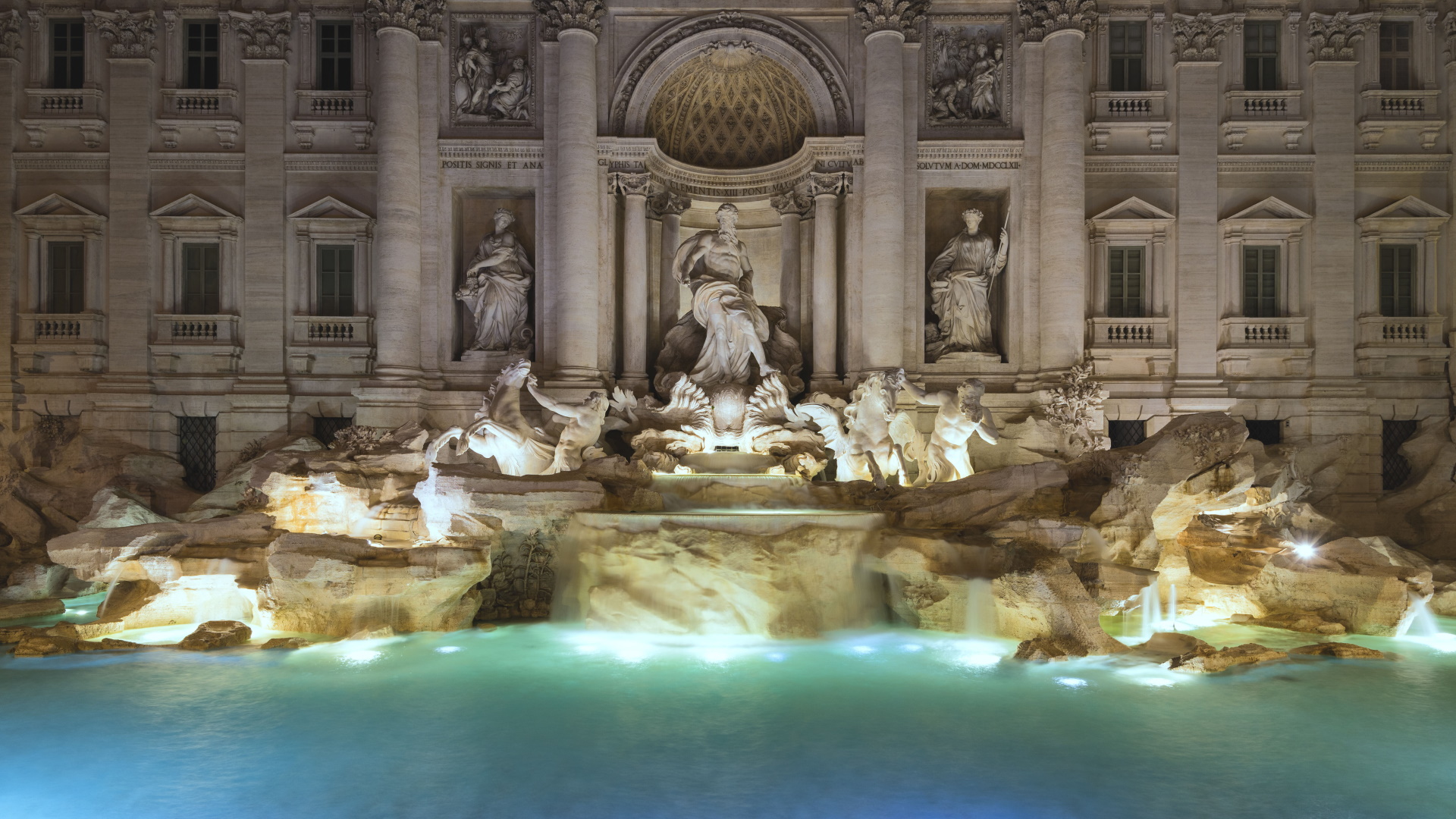
No visit to Rome is complete without a visit to the Trevi Fountain, a masterpiece of Baroque artistry and one of the most iconic fountains in the world. Designed by architect Nicola Salvi in the 18th century, this grandiose fountain depicts Oceanus, surrounded by tritons and horses. Legend has it that tossing a coin with your right hand over your left shoulder into the fountain ensures your return to Rome, making it a timeless symbol of hope and romance.
The Fontana della Barcaccia: A Gem of Baroque Beauty

Nestled in the heart of Rome’s bustling Piazza di Spagna lies a hidden gem of Baroque artistry: the Fontana della Barcaccia. Taking its name from its unique shape, which resembles a half-sunken boat, the Fontana della Barcaccia, designed by Pietro Bernini, was commissioned by Pope Urban VIII in the early 17th century as part of a project to build a fountain in every major piazza in Rome.
Art
The Borghese Gallery: A Jewel of Baroque Art
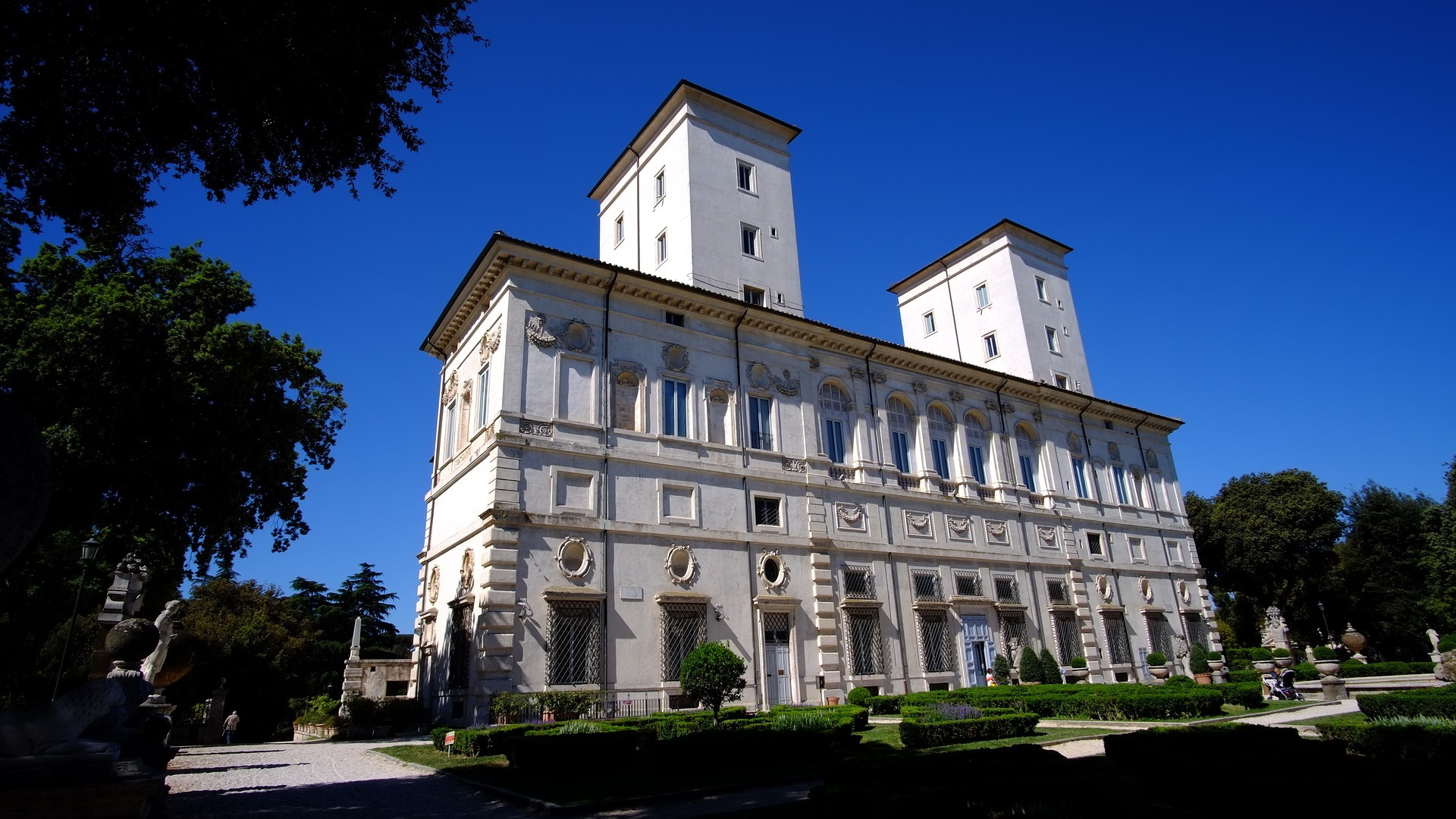
Housed in the Villa Borghese Pinciana, the Borghese Gallery is a veritable treasure trove of Baroque art and sculpture. Built in the 17th century by Cardinal Scipione Borghese to house his extensive art collection, this magnificent museum boasts works by masters such as Caravaggio, Bernini, and Raphael. Highlights include Caravaggio’s iconic paintings “Saint Jerome Writing” and “Boy with a Basket of Fruit,” as well as Bernini’s breathtaking sculptures “Apollo and Daphne” and “The Rape of Proserpina.” Visitors can also stroll through the villa’s lush gardens, dotted with fountains, statues, and scenic vistas of Rome.
The Galleria Doria Pamphilj: A Private Collection Unveiled
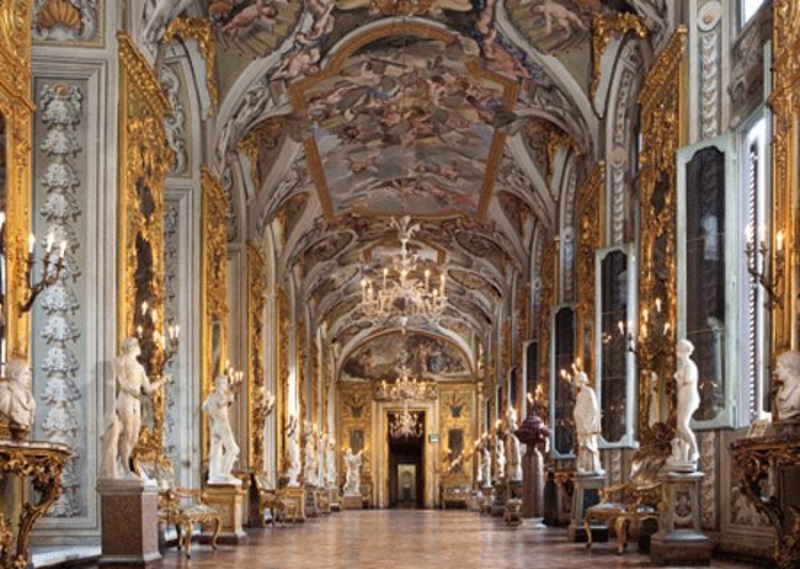
Step into the opulent surroundings of the Galleria Doria Pamphilj and discover a hidden gem of Roman art and history. Housed within the Palazzo Doria Pamphilj, this private art collection offers a rare glimpse into the world of Roman aristocracy. Highlights include works by artists such as Titian, Velázquez, and Caravaggio, as well as sumptuous furnishings, tapestries, and decorative arts. Visitors can explore the palatial galleries, adorned with frescoes and stucco decorations, and imagine the lavish lifestyle of the Doria Pamphilj family.
Modern Rome
Altare della Repubblica: An Iconic Symbol of Italian Unity
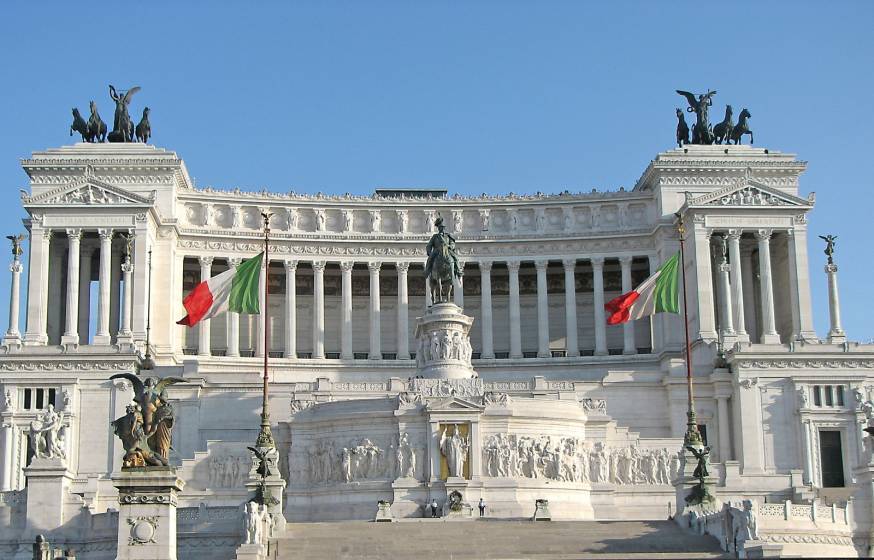
Standing proudly at the heart of Rome, the Altare della Patria, or the Altar of the Fatherland, is more than just a monument – it’s a testament to the unification and identity of Italy. Also known as the Vittoriano, this majestic structure was constructed in the late 19th and early 20th centuries to honour Victor Emmanuel II, the first king of a unified Italy. One of the most poignant features of the Altare della Patria is the Tomb of the Unknown Soldier, guarded by two eternal flames, the tomb serves as a solemn tribute to the countless soldiers who gave their lives in service to their country
Palazzo della Civiltà Italiana: Rome’s Icon of Rationalist Architecture
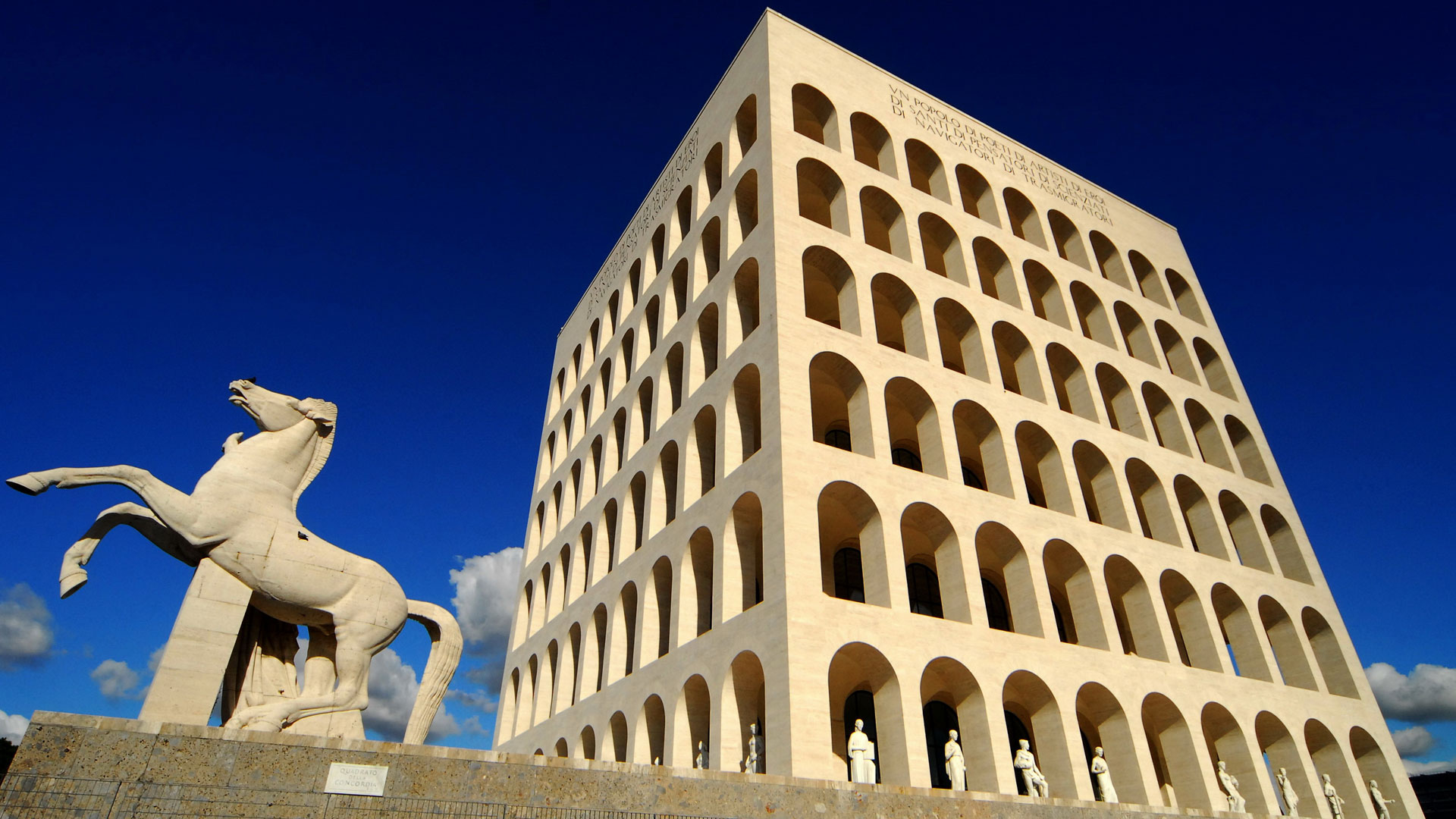
In the heart of Rome’s EUR district stands a striking testament to modernist architecture: the Palazzo della Civiltà Italiana. With its monumental façade, geometric lines, and iconic arches, this iconic building represents the epitome of rationalist design and serves as a symbol of Italy’s cultural and architectural heritage. Constructed between 1938 and 1943, the Palazzo della Civiltà Italiana was commissioned by Italian dictator Benito Mussolini, and designed by architects Giovanni Guerrini, Ernesto Bruno La Padula, and Mario Romano. The building was intended to showcase the ideals of Fascist architecture and celebrate the achievements of Italian civilization. Despite its association with Fascist ideology, the building has come to be regarded as a cultural landmark and a reflection of Italy’s rich artistic and architectural heritage, and today serves as the headquarters of the fashion house Fendi.
 Italy with Amore