
Tucked away in the northern region of Lombardy, between the Alps to the north and the River Po plains to the south, is Bergamo, a hidden gem waiting to be discovered by intrepid travellers. If you’re looking for a place that seamlessly blends history, culture, and modern charm, then Bergamo should be at the top of your list. Less than 50 km from Milan, as well as its own airport, Bergamo is a well-linked city that can be reached easily from within Italy or from abroad. It is a perfect weekend adventure.
Despite being often overshadowed by nearby Milan, it boasts its own unique charm and historical significance. Divided into two distinct parts – Città Alta (Upper Town) and Città Bassa (Lower Town) – Bergamo offers a delightful blend of medieval and modern elements.
The Città Alta is a beautifully preserved medieval hilltop walled district surrounded by Venetian fortifications. The Città Bassa, on the other hand, is situated in the lower plains, and contrasts the Città Alta by offering a more modern atmosphere.
Some of the Things to See and Do:
OrioCenter
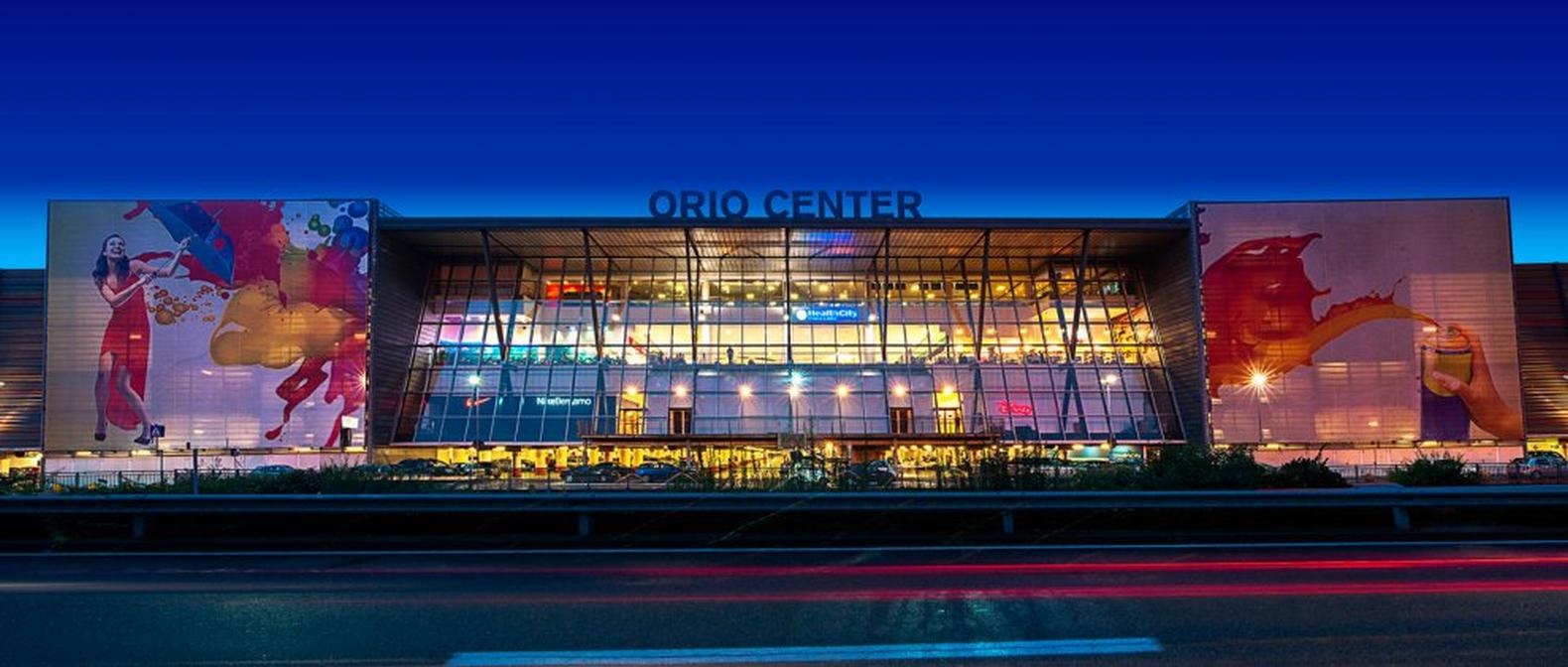
Oriocenter is one of the largest shopping centres in Europe, conveniently situated near Bergamo’s airport making it easily accessible for travellers seeking a shopping gettaway. Opened in 1998, Oriocenter boasts an impressive array of over 280 shops, featuring a diverse mix of international and Italian brands, spanning fashion, electronics, home goods, and more. It has 14 screens (including an Imax room with the widest screen in Europe), and around 6,000 parking spaces, and hosts a variety of dining options, from casual eateries to fine dining establishments, catering to diverse culinary preferences.
Accademia Carrara

The Accademia Carrara is a prestigious art gallery located in Città Bassa, Bergamo. Founded in 1796 by Count Giacomo Carrara, this cultural institution houses a remarkable collection of Italian Renaissance art. Visitors can admire works by renowned artists such as Botticelli, Bellini, and Raphael. The gallery’s extensive collection includes paintings, sculptures, and decorative arts, providing a comprehensive overview of the artistic evolution during the Renaissance period and beyond.
Donizetti Theatre
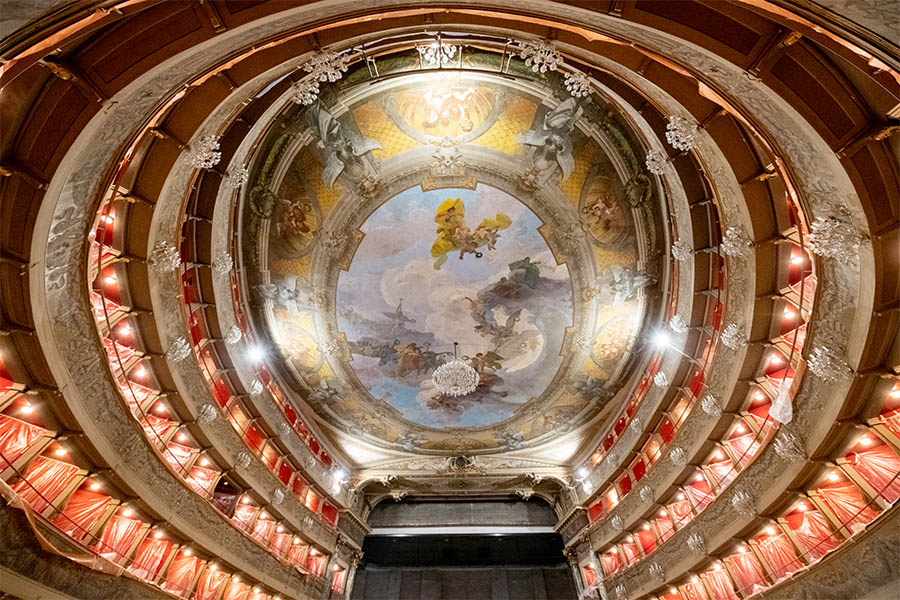
The recently renovated Donizetti Theatre, first built as Teatro Nuovo, then later renamed after the famous composer Gaetano Donizetti, is a cultural gem situated in the heart of Città Bassa. Built in the late 18th century, the theatre stands as a testament to Bergamo’s commitment to the performing arts. Hosting a variety of performances, including opera, ballet, and classical music concerts, the Donizetti Theatre provides a sophisticated and intimate setting for cultural experiences. Its opulent interior, adorned with intricate decorations and a majestic chandelier, enhances the overall ambiance, making it a revered venue for both locals and visitors alike.
Palazzo della Ragione, Palazzo della Podestà and the Torre Civica
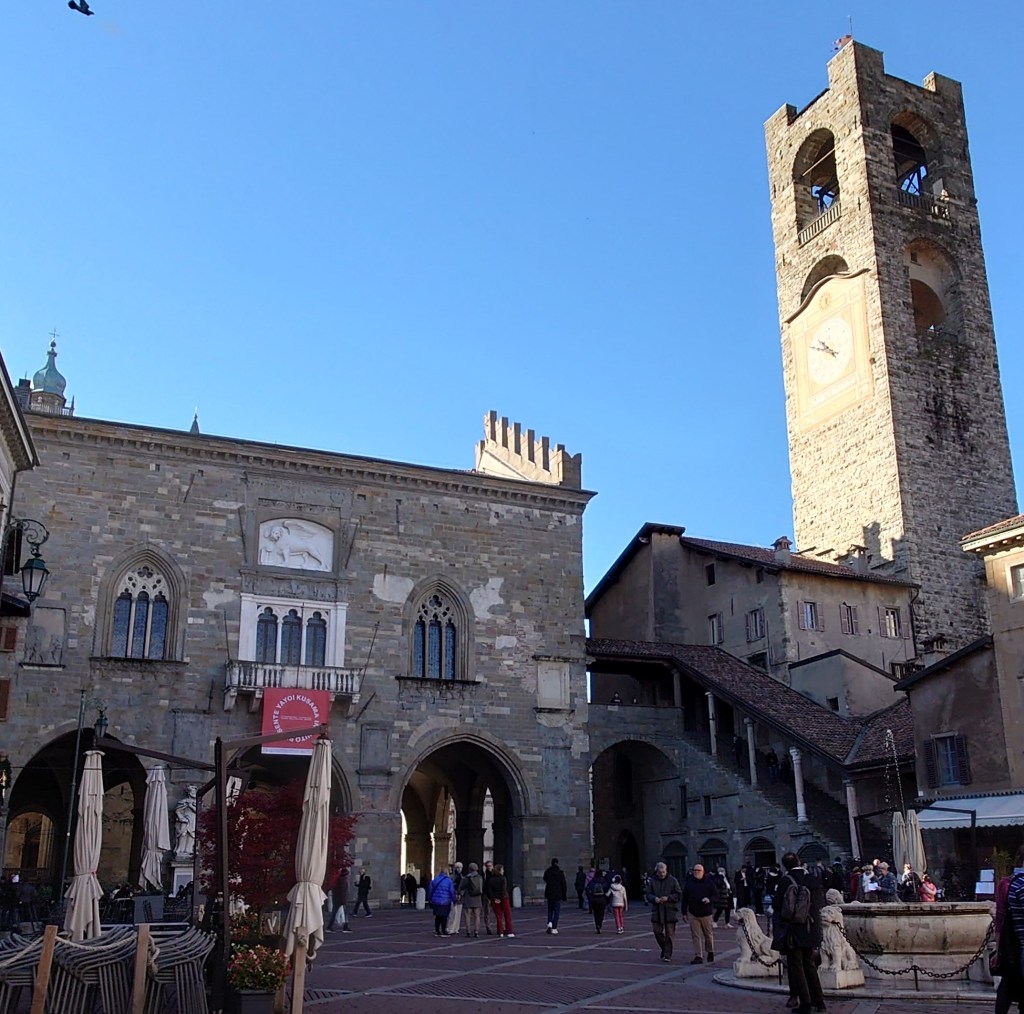
Situated in the heart of Città Alta, the Palazzo della Ragione and the Palazzo della Podestà, are medieval palaces that have served as symbols of civic power and justice. Both dating back to the 12th century, visitors can take a step back through the ages and admire the intricate details and gain insights into the political and administrative history of Bergamo. Connected to the Palazzo della Podestà is the Torre Civica, which predates the Palazzo by a century, the Torre can be accessed through the 16th century museum housed inside the Palazzo della Podestà.
Churches – Santa Maria Maggiore, Cappella Colleoni, Bergamo Cathedral, Tempietto di Santa Croce
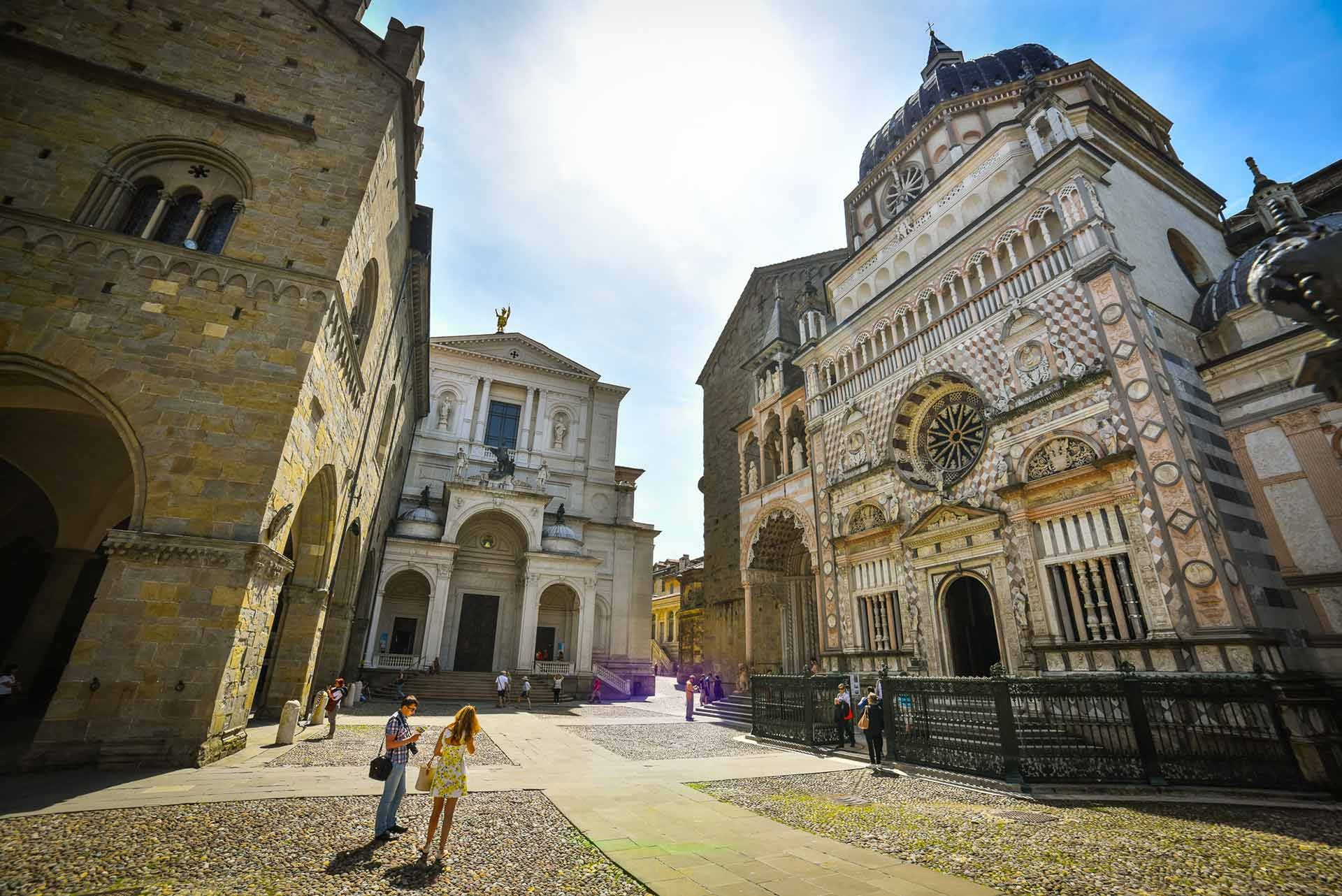
Bergamo, like many Italian towns and cities, is home to many churches, chapels and sanctuaries, with most being able to trace their beginnings centuries ago. Some of these are clustered together in the heart of the Città Alta, adjacent to the Palazzo della Podestà and the Palazzo della Ragione, and are a must-see for any visitor to Bergamo.
The Basilica of Santa Maria Maggiore stands as a masterpiece of medieval architecture in Città Alta. Dating back to the 12th century, this basilica boasts an impressive blend of Romanesque and Gothic styles. Its interior is adorned with stunning frescoes, intricate chapels, and a richly decorated wooden choir. Attached, is the Cappella Colleoni, a masterpiece by Renaissance artist Giovanni Antonio Amadeo. Patroned by Bartolomeo Colleoni, a military leader and statesman, the Cappella Colleoni was built in the 15th century, and represents a fusion of Gothic and Renaissance styles, characterized by its ornate façade and richly decorated interior. The chapel houses the tomb of Colleoni and his family.
Nearby is Bergamo Cathedral, officially known as the Cathedral of Saint Alexander, and is the seat of the Bishop of Bergamo. Dating back to the 15th century, this cathedral features a neo-classical white marble exterior adorned with intricate reliefs and statues, owed to a 19th century renovation.
The final component of this cluster is the Tempietto di Santa Croce, a small chapel with significant historical and architectural value. Dating back to the 11th century, this Romanesque gem is characterized by its simple yet elegant design. The interior is adorned with frescoes and religious artwork, providing a tranquil space for contemplation. The Tempietto di Santa Croce serves as a poignant reminder of Bergamo’s medieval heritage.
The Porte – Porta Sant’Agostino, Porta San Giacomo, Porta Sant’Alessandro, Porta San Lorenzo
Protecting the Città Alta are the Venetian walls, built in the 16th century when the city came under Venetian rule. Access to the city inside these walls was granted by four entrances:
Porta Sant’Agostino
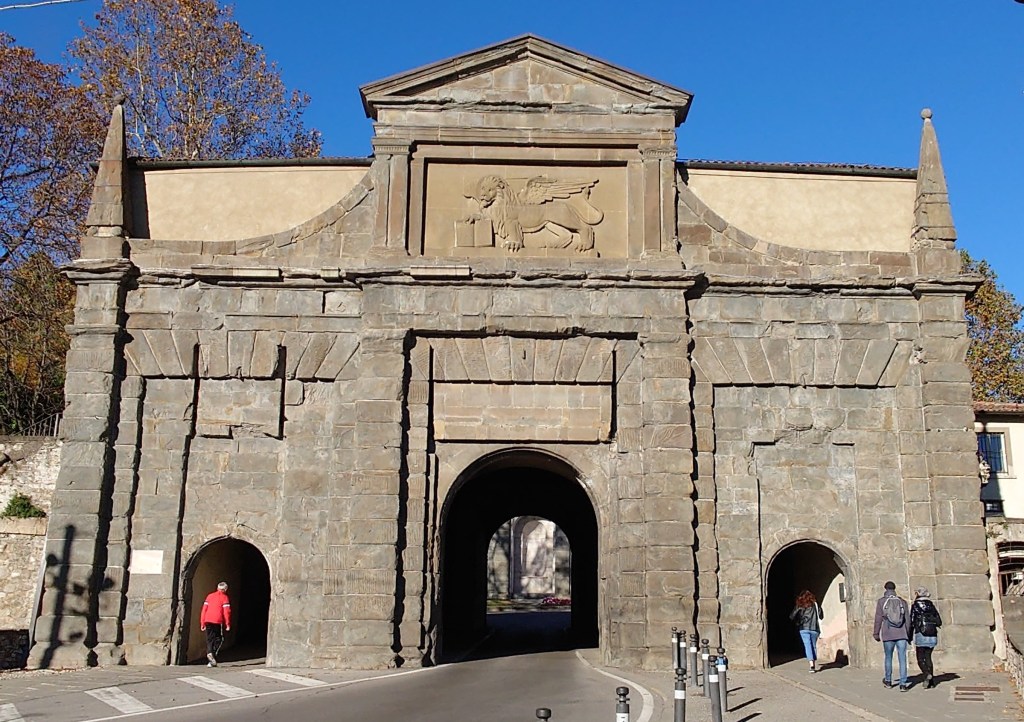
Getting its name from the nearby Church of Sant’Agostino, Porta Sant’Agostino, is one of the four main gates of the Città Alta, and stands as a historic entry point from the east. This gate welcomes visitors with its well-preserved stone arch, topped with the lion of St Mark. Originally designed by the Venetians, Porta Sant’Agostino served as a crucial component of the city’s fortifications, ensuring the protection of Bergamo from external threats. As you pass through the gate, you are transported back in time, imagining the bustling activity and strategic importance it held during the Renaissance. Today, Porta Sant’Agostino serves as a picturesque portal, inviting exploration of the rich history and architectural heritage of Bergamo’s Upper Town.
Porta San Giacomo
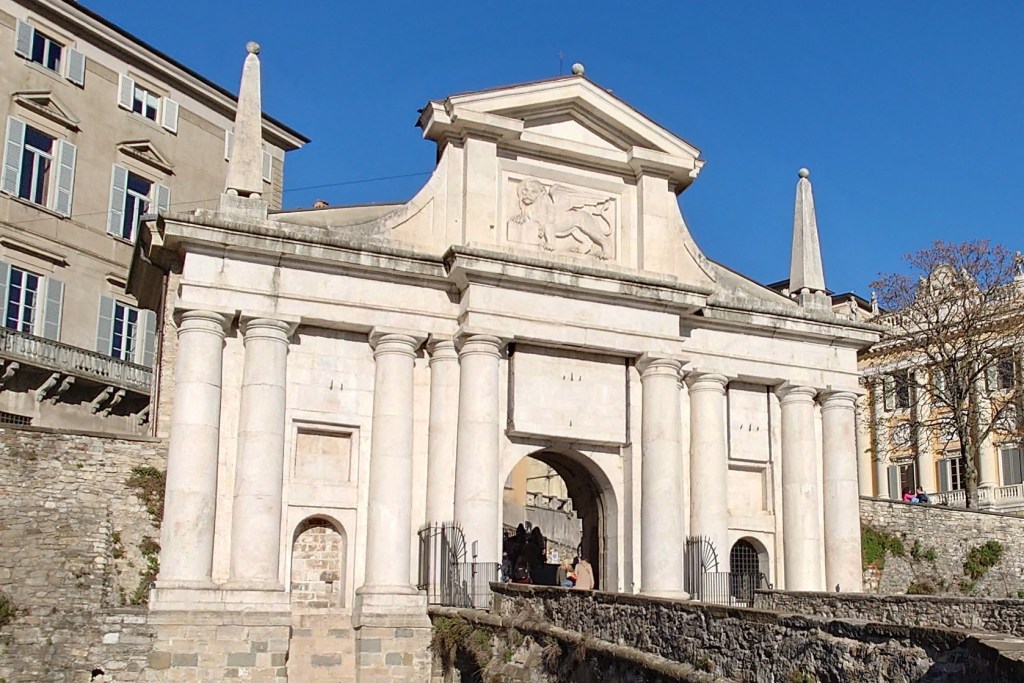
Porta San Giacomo, the southern entrance to the Città Alta, encapsulates the essence of Bergamo’s medieval fortifications. Named after an old, now demolished, church in the area, this gate was built in white marble, and it is perhaps the prettiest of the gates. Erected in the 16th century as part of the Venetian fortification, this gate showcases an impressive stone arch adorned with the Lion of St Mark, symbolizing the city’s ties to the Venetian Republic. As you traverse through Porta San Giacomo, the historic significance is palpable, offering a glimpse into Bergamo’s strategic positioning and the importance of its defensive structures.
Porta Sant’Alessandro
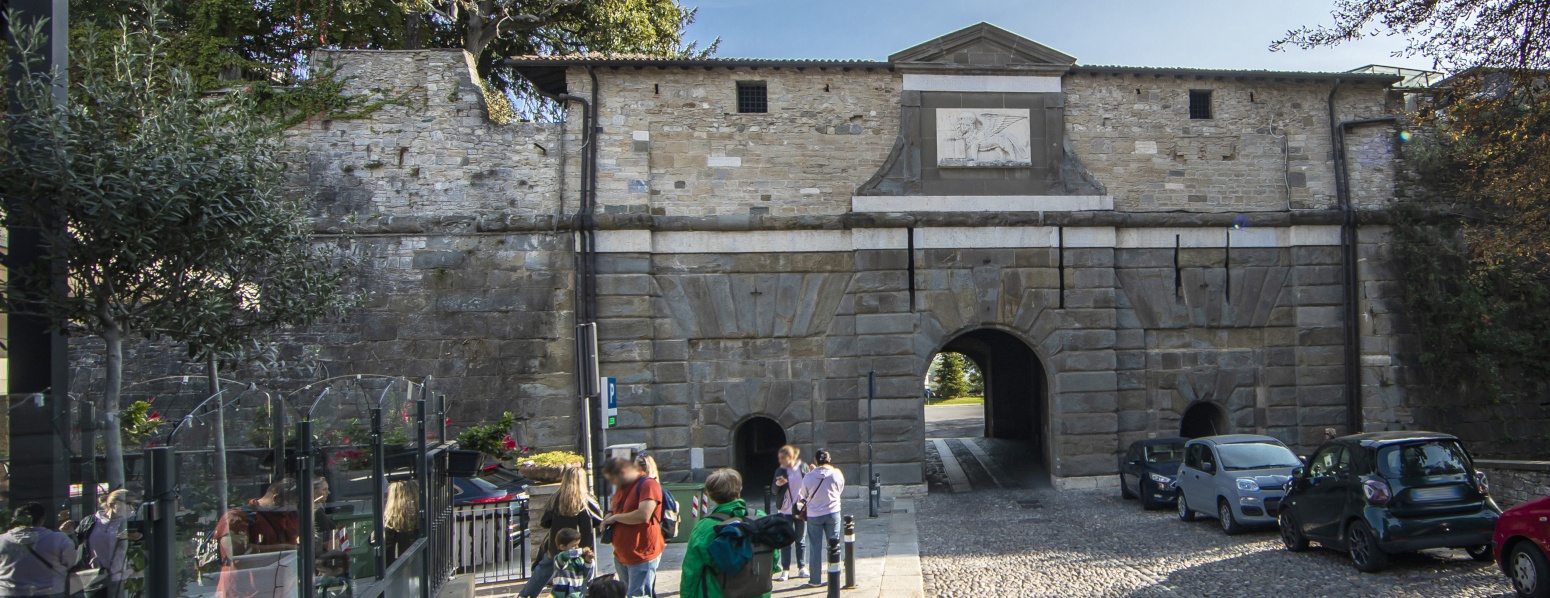
Porta Sant’Alessandro, the gateway to Città Alta from the west, provides a warm welcome to those entering. Constructed in the 16th century, and less imposing than the previous two, the gate features a stone arch also topped with the lion of St Mark. Taking its name from the now destroyed church of San Alessandro, also Bergamo’s patron saint, Porta Sant’Alessandro served as a crucial link between the upper and lower parts of the city from the west.
Porta San Lorenzo
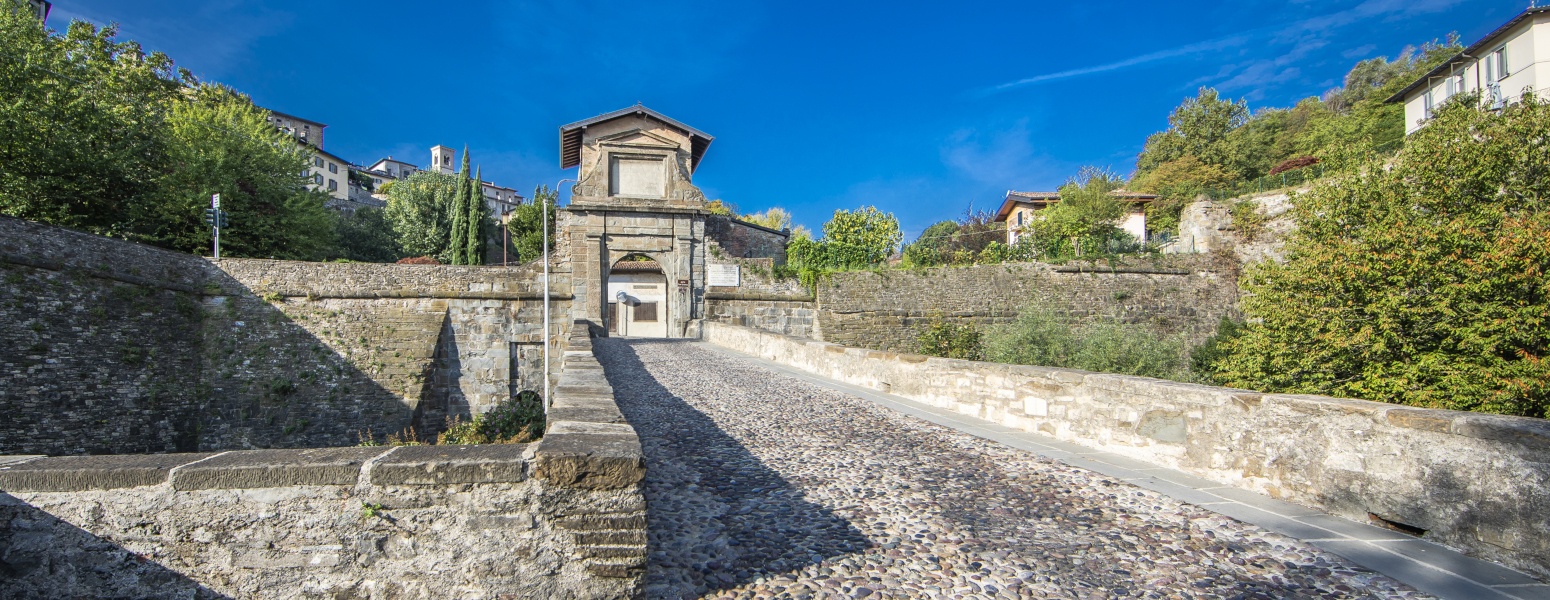
North of the Città Alta is Porta San Lorenzo, the smallest of the gates. Built during the Venetian rule in the 16th century, this gate boasts a harmonious blend of architectural styles, featuring a Renaissance-style arch with classical elements. The gate owes its name to the church of San Lorenzo that was destroyed for the construction of the fortifications, and its significance extends beyond its structural beauty. Like the other three gates, Porta San Lorenzo played a pivotal role in connecting Bergamo’s Upper Town to neighbouring regions, fostering trade and cultural exchange. Today, the gate remains an iconic landmark, providing a tangible link to the city’s past.
Rocca di Bergamo

Perched on the hill overlooking the Città Alta, is the Rocca di Bergamo, a formidable fortress with a storied history dating back to the Roman era. Reconstructed during the Venetian rule in the 16th century, the fortress served both military and residential purposes. Visitors can explore its robust walls, towers, and internal courtyards, gaining panoramic views of Bergamo and the surrounding landscape. The Rocca di Bergamo stands as a symbol of the city’s strategic importance and resilience throughout centuries of change
Civic Museum of Natural Science Enrico Caffi
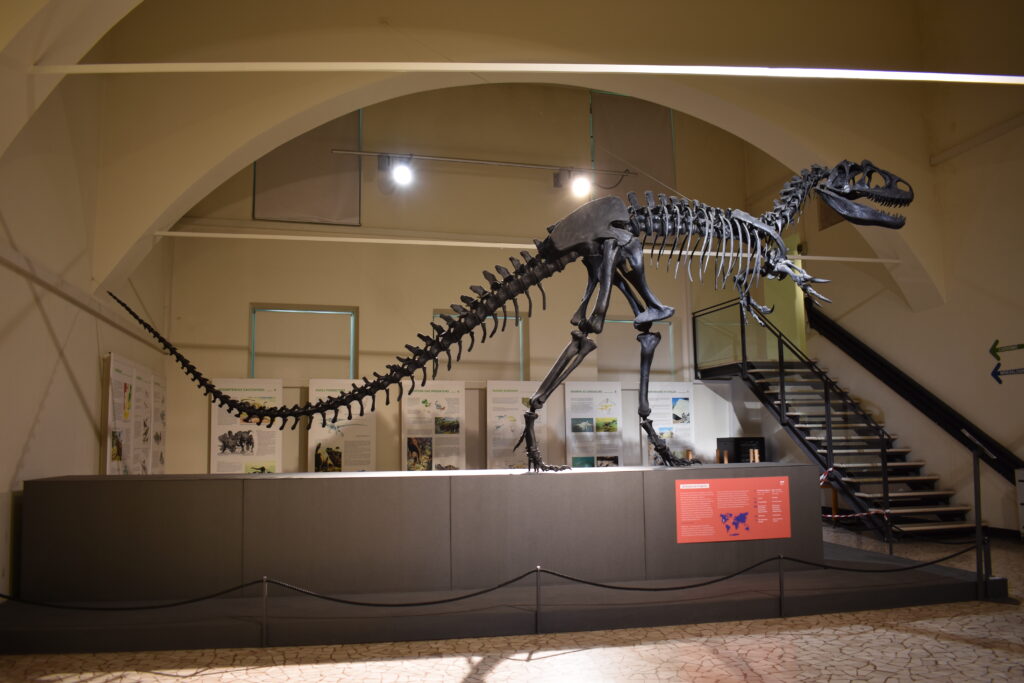
The Civic Museum of Natural Science Enrico Caffi, located in Città Alta, is a fascinating destination for those intrigued by the wonders of the natural world. Named after the renowned naturalist and priest Enrico Caffi, the museum features exhibits on geology, palaeontology, zoology, and botany. With a diverse collection of over 55,000 artefacts, fossils, animal and plant specimens, interactive displays, and educational programs, the museum offers an immersive experience for visitors of all ages. From dinosaur fossils to botanical specimens, the Civic Museum of Natural Science provides a captivating journey through the scientific wonders of Bergamo.
 Italy with Amore