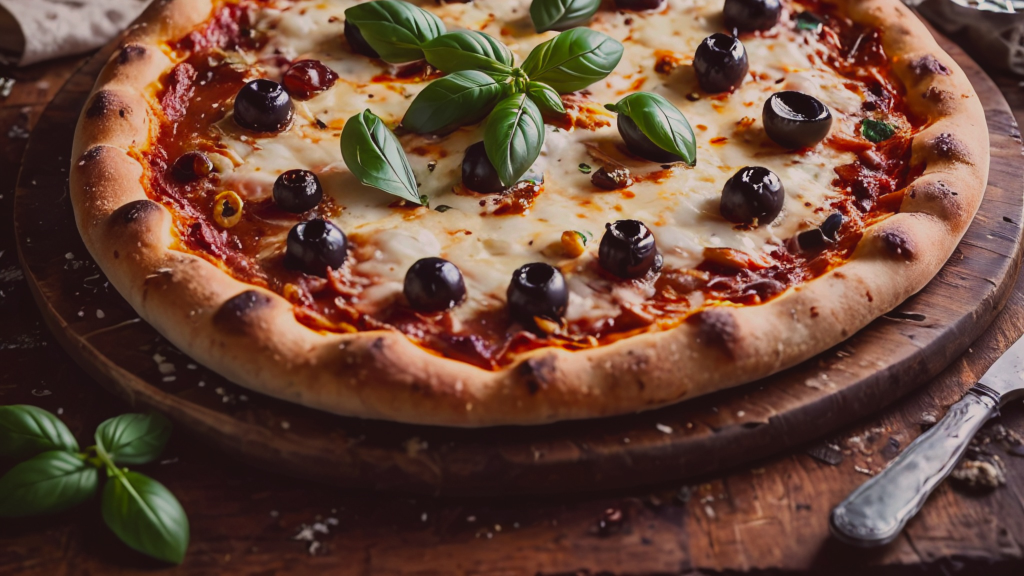
Pizza, one of Italy’s most iconic culinary exports, is a dish that transcends borders and captivates taste buds around the globe. While many may associate pizza with the classic Neapolitan Margherita or the ubiquitous American pepperoni, Italy boasts a rich tapestry of regional pizza styles, each with its own unique characteristics, ingredients, and culinary traditions.
Pizza Napoletana
Naples, the birthplace of pizza and home to the esteemed Neapolitan pizza tradition. The city is one of vibrant contrasts, where ancient history intersects with modern life, and chaotic energy mingles with timeless beauty. As one of the oldest continuously inhabited cities in the world, Naples boasts a wealth of historical treasures, from ancient ruins and medieval castles to ornate churches and grand palaces. The historic centre, a UNESCO World Heritage Site, beckons travellers to wander its labyrinthine streets, where hidden gems await around every corner.
Yet, Naples is more than just a living museum. In the bustling streets of Naples, Italy, lies a culinary treasure that has captured the hearts, and stomachs, of food lovers around the world. The Neapolitan pizza, renowned for its simplicity, authenticity, and unparalleled flavour, embodies the soul of this vibrant city, where ancient traditions meet modern innovation in a symphony of taste and texture.
The story of Neapolitan pizza is as rich and storied as the city itself. Dating back to the 18th century, when tomatoes were first introduced to Italy from the New World, Neapolitan pizza emerged as a humble street food enjoyed by the city’s working class. Legend says that the classic Margherita pizza, with its vibrant red tomato sauce, creamy mozzarella cheese, and fragrant basil leaves, the colours of the Italian flag, was the peoples way of paying homage to Queen Margherita of Savoy when she visited Naples shortly after the unification of Italy.
At the heart of Neapolitan pizza lies the art of pizza making, passed down through generations of pizzaioli (pizza makers) who have honed their craft to perfection. Setting Neapolitan pizza apart is its distinctive characteristics, which are codified by the Associazione Verace Pizza Napoletana (True Neapolitan Pizza Association). According to the association’s guidelines, authentic Neapolitan pizza must be made with specific ingredients, such as San Marzano tomatoes and buffalo mozzarella cheese, and cooked in a wood-fired oven at temperatures of 485 degrees Celcius (905 degrees Fahrenheit). The result is a pizza with a thin, soft crust, blistered edges, and a slightly charred flavour – a true taste of Naples.
While Neapolitan pizza originated in Naples, its popularity has spread far and wide, earning it a place of honour on menus around the globe. From New York to Tokyo, pizzerias are serving up their own interpretations of this classic dish, with varying degrees of success. Yet, for purists, there is no substitute for the authentic Neapolitan pizza experience.
Despite its global reach, Neapolitan pizza remains deeply rooted in tradition, with many pizzerias in Naples adhering to traditional techniques and recipes passed down through generations. From the choice of ingredients to the method of preparation, every aspect of Neapolitan pizza reflects a commitment to quality and authenticity that is as unwavering as it is inspiring.
Pizza Romana (Pizza Bassa)
Moving northward to Rome, the Eternal City, stands as a timeless testament to the grandeur and resilience of human civilization. Nestled along the banks of the Tiber River in the heart of Italy, Rome is a city where ancient ruins, Renaissance masterpieces, and modern life coexist in a captivating tapestry of history and culture.
Within, lies a culinary delight that has captured the hearts and taste buds of locals and visitors alike: the pizza Romana. While the EU and UNESCO-recognised Neapolitan pizza often steals the spotlight, Rome’s unique take on this beloved dish offers a tantalizing alternative that is sure to satisfy even the most discerning palates.
Sometimes also known as pizza bassa, or “low pizza”, it is a traditional Roman style of pizza characterized by its thin, crispy crust and generous toppings. Unlike the soft, pillowy crust of Neapolitan pizza, pizza Romana boasts a thin and crunchy base that serves as the perfect canvas for an array of flavourful toppings. The dough for Pizza Romana is typically made in much the same way as Neapolitan pizza, with flour, water, salt, and yeast, though in differing proportions, resulting in a crispy crust, described as “scrocchiarella”, that is light and airy yet sturdy enough to hold an abundance of toppings without becoming soggy.
Traditional Roman pizzaioli take pride in sourcing the finest ingredients from local markets and suppliers, ensuring that each pizza is made with the freshest and most flavourful produce available. The dough is hand-stretched and topped with a carefully curated selection of toppings, ranging from classic combinations like Margherita (tomato, mozzarella, and basil) to more inventive creations featuring seasonal vegetables, cured meats, and artisanal cheeses.
Once assembled, the pizzas are baked to perfection in a wood-fired oven, where they undergo a rapid and intense cooking process that results in a crispy crust and perfectly melted cheese. The heat of the oven also imparts a subtle smokiness to the pizza, enhancing its flavour and aroma.
One of the joys of Roman pizza is the opportunity to sample a wide variety of flavours and ingredients in each bite. Whether you’re craving the bold flavours of spicy salami and sun-dried tomatoes or the delicate sweetness of fresh figs and gorgonzola cheese, it offers endless possibilities for culinary exploration. In addition to its savoury offerings, many pizzerias in Rome also serve dessert pizzas topped with Nutella, fresh fruit, or whipped cream, providing a sweet ending to a satisfying meal.
While pizza Romana has deep roots in tradition, modern pizzaioli are not afraid to experiment with new flavours and techniques to keep the culinary tradition alive and vibrant. Innovative toppings like truffle oil, smoked scamorza cheese, and wild mushrooms add a contemporary twist to this classic dish, appealing to a new generation of food lovers while still honouring the timeless traditions of Roman cuisine.
Pizza Siciliana
Down south on the sun-drenched island of Sicily, a land of breathtaking landscapes, vibrant culture, and, of course, mouth-watering cuisine, we encounter yet another distinct pizza tradition. Unlike its Neapolitan counterpart, which is known for its thin, crispy crust, Sicilian pizza is characterized by its thick, fluffy crust, often rectangular in shape, which is often topped with a rich tomato sauce and a variety of ingredients such as anchovies, olives, capers, caciocavallo cheese, and roasted vegetables.
Sicilian pizza is a feast for the senses, with each bite offering a tantalizing combination of flavours and textures. From the savoury richness of melted cheese and tomato sauce to the aromatic notes of fresh herbs and spices, Sicilian pizza delights the palate with every mouthful. One of the joys of Sicilian pizza is the wide variety of toppings available to suit every taste preference. Perhaps, the most famous varieties of Sicilian pizza is the sfincione, traditionally a square or rectangular shaped pizza topped with tomato sauce, onions, breadcrumbs, anchovies, Sicilian caciocavallo cheese and oregano.
In Sicily, as elsewhere, pizza is more than just a dish – it is a symbol of hospitality, generosity, and community. Whether enjoyed at a bustling pizzeria in Palermo or savoured at a family gathering in Catania, Sicilian pizza brings people together in a shared celebration of food, friendship, and tradition.
Sicilian pizza is a culinary masterpiece that embodies the rich history, vibrant culture, and unparalleled beauty of Italy’s enchanting island. With its thick, fluffy crust, flavourful toppings, and warm hospitality, Sicilian pizza invites diners on a sensory journey through the sun-drenched landscapes and ancient streets of Sicily.
While Sicilian pizza has evolved over the centuries, modern pizzaioli are committed to preserving the island’s culinary traditions and techniques. From using locally sourced ingredients to adhering to time-honoured recipes, Sicilian pizzerias take pride in serving authentic and delicious pizza that honours the spirit and history of Sicily.
Pizza Pugliese (Pizza Barese)
Back onto the mainland, to Puglia, often referred to as the “heel” of Italy’s boot, renowned for its sun-drenched landscapes, picturesque coastline dotted with olive groves and vineyards, and bountiful harvests, Puglia offers a feast for the senses, and there lies a culinary treasure waiting to be discovered. The pizza Pugliese, or more commonly known as pizza Barese after the city of Bari in Puglia, is a lesser-known variation of Italy’s iconic dish offers a delightful twist on the traditional pizza, showcasing the unique flavours and ingredients that characterize the rich culinary heritage of Southern Italy.
At its core, pizza Barese embodies the rustic charm and simplicity of Southern Italian cuisine. The pizza Barese features a thin and crispy crust, reminiscent of its Neapolitan cousin, but with a unique twist that sets it apart.
What truly sets pizza Barese apart is its topping selection, which reflects the diverse flavours and ingredients of Puglia’s countryside and coastline. Classic toppings include locally grown cherry tomatoes, sweet red onions, fragrant oregano, and olives, all drizzled with a generous amount of extra virgin olive oil – a staple of Puglian cuisine.
In addition to its traditional toppings, pizza Barese also offers a variety of seafood options, reflecting Puglia’s rich maritime heritage. From succulent shrimp and tender calamari to fresh mussels and clams, seafood lovers will find plenty to satisfy their cravings on a pizza Barese.
Like its other regional counterparts, pizza Barese is more than just a dish – it’s a culinary journey. It invites diners to explore the vibrant flavours and rich cultural heritage of Puglia, and despite its deep roots in tradition, modern chefs and pizzaioli are not afraid to put their own spin on this classic dish. Whether it’s incorporating seasonal ingredients, experimenting with new flavour combinations, or using innovative cooking techniques, pizza Barese continues to evolve while still honouring its rich culinary heritage.
 Italy with Amore