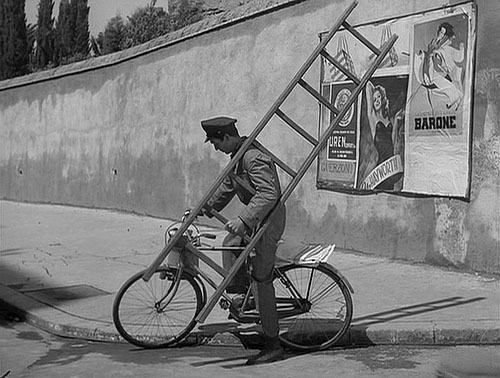
Italian Neorealism is a film movement that emerged in the wake of World War II, and profoundly reshaped the landscape of film, leaving an enduring legacy on global cinema. This cinematic revolution was a response to the severe social and economic upheaval experienced by Italy during and after the war. Unlike the escapist and propagandistic films that dominated the Fascist era, Neorealism sought to depict the harsh realities of everyday life with stark honesty. It aimed to give a voice to the marginalised and to highlight the struggles of ordinary people, including their resilience, hopes, and despair.
The movement was characterised by its use of real locations, non-professional actors, and narratives focused on the poor and working class, all of which contributed to a sense of authenticity and immediacy. This approach was not just a stylistic choice but a philosophical stance that reflected a deep commitment to social realism and humanism.
Neorealism was more than a film style; it was a cultural and political statement, challenging audiences to engage with the pressing issues of the time.
Beginnings
Italy, under Mussolini’s Fascist regime, had seen a cinema landscape dominated by escapist comedy films, often known as “Telefoni Bianchi” (White Telephones) films during the 1930s and early 1940s, which focused on glamorous and idealised lives. These films, completely devoid of any social criticism and intellectualism, were heavily censored and propagandistic, serving to distract and pacify the populace, the luxurious lives of the protagonists bore little resemblance to the harsh realities faced by most Italians.
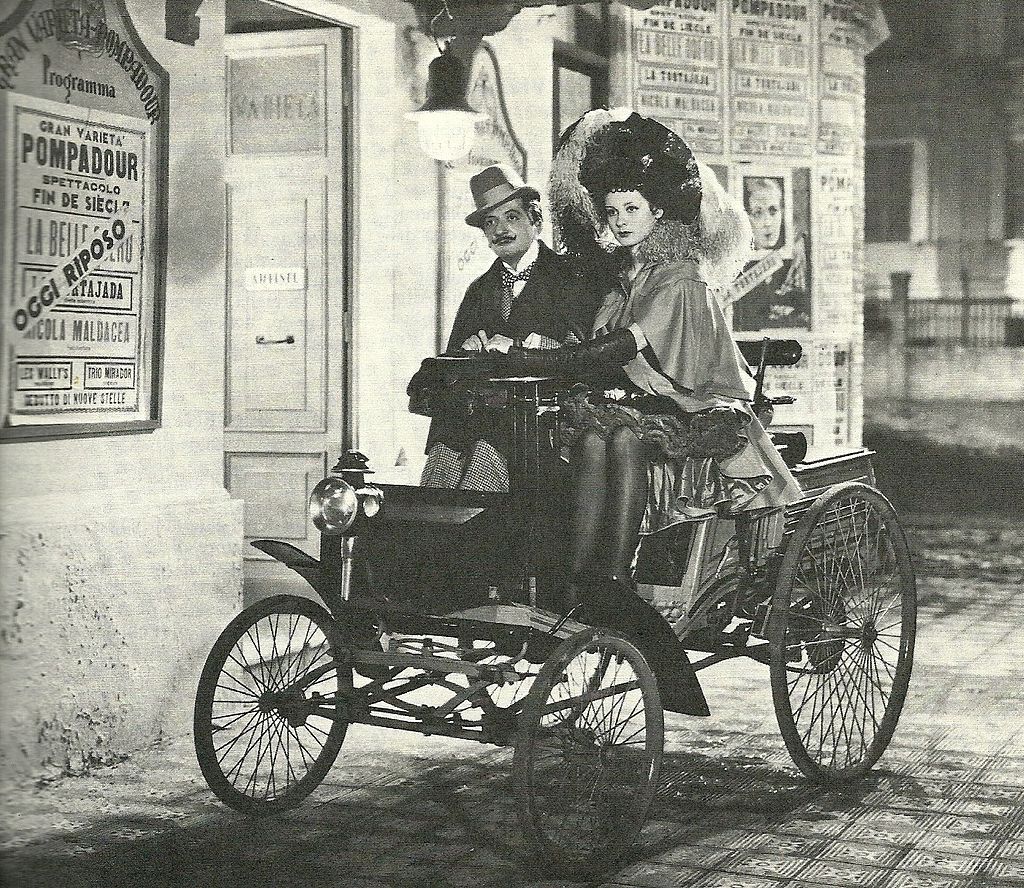

Examples of White Telephones films: Image 1 – Scene from I due misantropi [The Two Misanthropists] (1937); Image 2 – Scene from Gli uomini, che mascalzoni! [What Scoundrels Men Are!] (1932)
The collapse of Mussolini’s regime in 1943 and the subsequent Allied invasion and liberation of Italy in 1945 created a significant turning point. The war had left Italy in ruins, with cities destroyed, the economy in shambles, and widespread poverty. The immediate post-war period was characterised by severe social and economic dislocation, unemployment, and political instability, the Italian cinema industry had lost its centre, as it was no longer needed for fascist propaganda, and the Cinecittà film studios were severely damaged. This period of reconstruction and reckoning provided fertile ground for a new generation of filmmakers to emerge, who experimented with new forms of storytelling that departed radically from the pre-war norms, envisioning a cinema that would mirror the stark and often brutal realities of everyday life.
Turning to Verismo (italian for ‘realism’), a literary movement in Italy at the turn of the century, which emphasised the depiction of everyday life as it was, including the plight of the lower classes. As well as taking inspiration from French Poetic Realism of the 1930s, which combined a realist narrative with a sense of lyricism and moral complexity, these filmmakers sought to bring a similar level of realism and empathy to the screen.

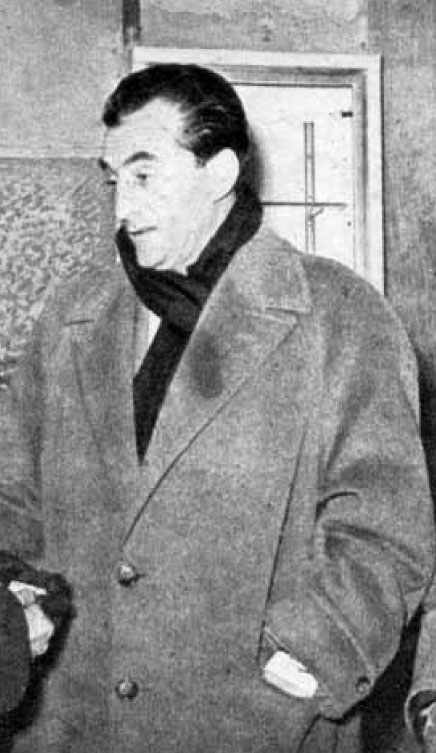
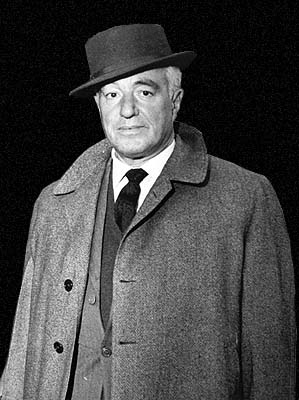
Image 1 – Roberto Rosssellini; Image 2 – Luchino Visconti; Image 3 – Vittorio De Sica
Essentially, having to rebuild and reinvent the Italian film industry, filmmakers such as Roberto Rossellini, Luchino Visconti, and Vittorio De Sica began to use the medium of cinema to document the struggles, hopes, and resilience of the Italian people. Their works aimed to capture the truth of the human condition amidst the ruins of post-war Italy. They ventured into the streets, using real locations instead of constructed sets, and cast non-professional actors whose faces and lives reflected the authentic experiences of ordinary Italians. This commitment to authenticity extended to the narratives themselves, which often focused on the lives of the poor and working class, depicting their daily struggles with a compassionate and unflinching eye.
These early efforts were not without their challenges. The economic conditions of the time meant that funding was scarce, and filmmakers had to be resourceful, often working with minimal budgets and relying on the goodwill and collaboration of their communities. However, this resourcefulness became a hallmark of Neorealism, contributing to its raw and unpolished aesthetic, which stood in stark contrast to the polished, studio-bound productions of the past.
The movement’s emergence was also facilitated by a shift in the cultural and political climate. The end of Fascist censorship allowed for greater artistic freedom and the exploration of previously taboo subjects. Intellectuals, critics, and audiences alike were eager for films that reflected the new social realities and the urgent need for reconstruction and moral reckoning. This period of profound change and upheaval thus gave birth to Italian Neorealism, a movement that would go on to redefine cinema and leave a lasting legacy on the art form.
Characteristics
Neorealism is defined by several distinctive features that set it apart from previous cinematic styles. Unlike the controlled environment of studio sets, Neorealist films were often shot on location. This practice brought an authenticity and immediacy to the films, capturing the real-life conditions of post-war Italy. Streets, ruined buildings, and the homes of the working class became the backdrops for these stories, immersing the audience in the everyday environments of the characters. The use of real locations also helped filmmakers work within the constraints of limited budgets, as it was often cheaper to shoot in existing spaces rather than build elaborate sets.
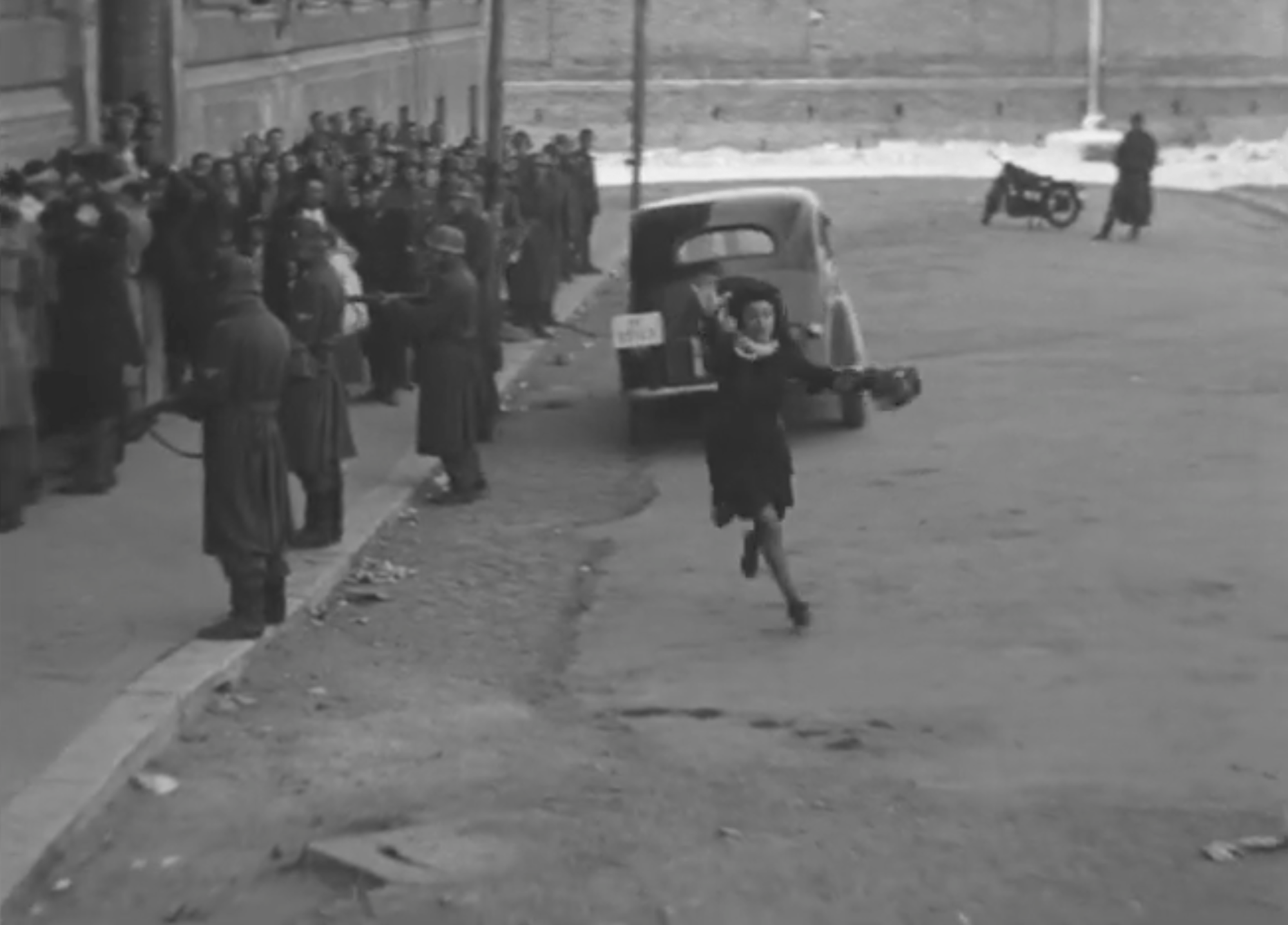
Scene from Roma città aperta
To enhance realism, many Neorealist directors cast non-professional actors, sometimes even choosing individuals directly from the streets. This approach lent a naturalism and spontaneity to the performances, making the characters’ struggles more relatable. The faces and voices of these non-actors brought a genuine and often raw emotional quality to the screen, reflecting the true spirit of the people they portrayed. This technique broke away from the tradition of star-driven cinema, emphasising instead the collective human experience and the authenticity of the ordinary person’s life.
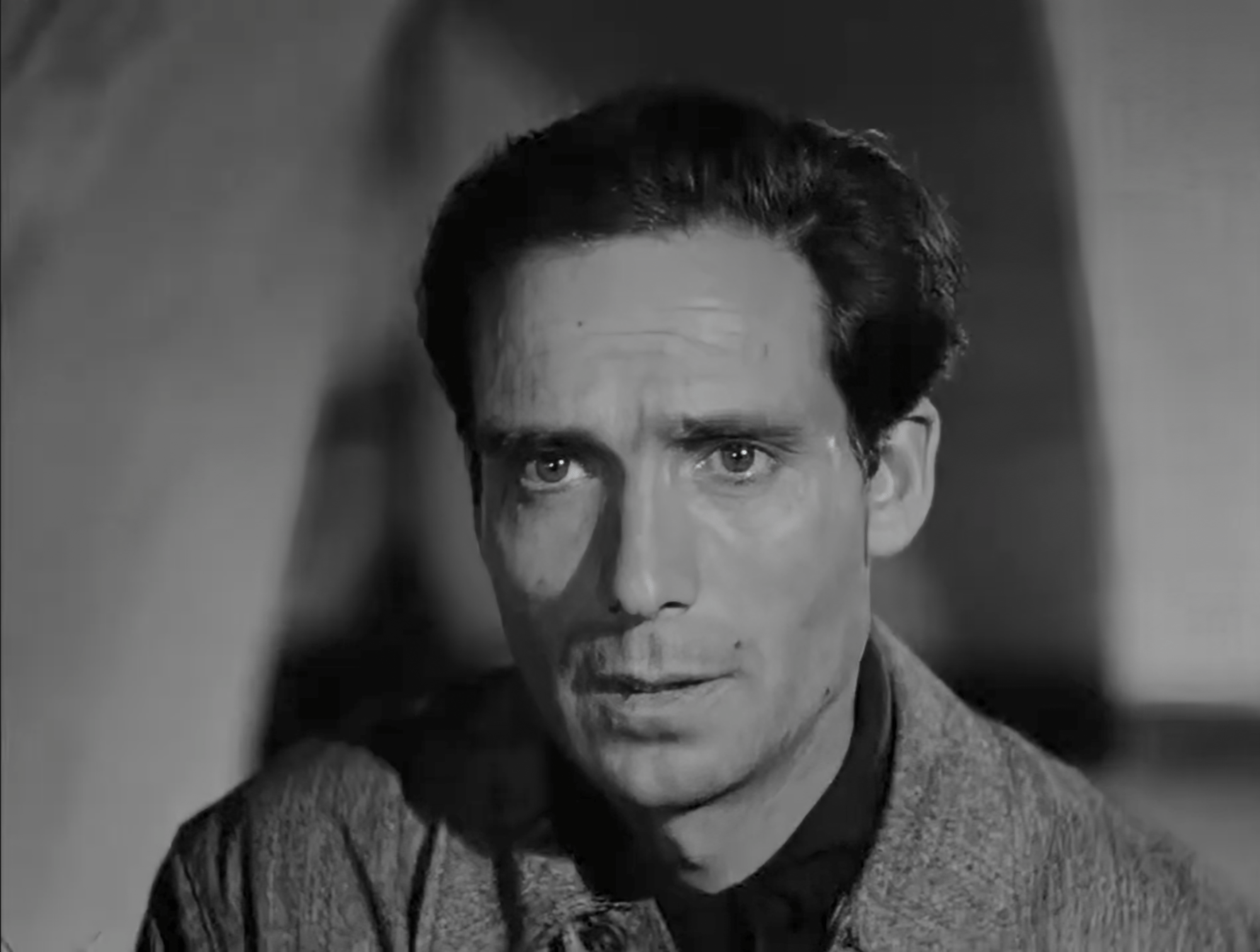
Lamberto Maggiorani, a factory worker at the time he was cast for De Sica’s Ladri di Biciclette
In particular, Neorealist films focused on the lives of ordinary people, often highlighting the plight of the poor and working class, and tackled pressing social issues such as poverty, unemployment, and the effects of war. Through their stories, Neorealist films provided a critique of the socio-political landscape of the time, advocating for change and greater empathy. Narratives were typically simple, eschewing complex plots for a more direct representation of daily life, with stories often revolving around personal and immediate concerns: the search for a job, the loss of a home, the challenges of raising a family, or the moral dilemmas faced by individuals in difficult circumstances.
This focus on the mundane and the everyday was a deliberate attempt to reflect the real concerns of the audience, many of whom were grappling with similar issues in their own lives. These films did not shy away from depicting the harshness of life, including crime, corruption, and injustice. By shedding light on these issues, Neorealist directors aimed to raise awareness and provoke thought, encouraging viewers to reflect on their society and their roles within it.
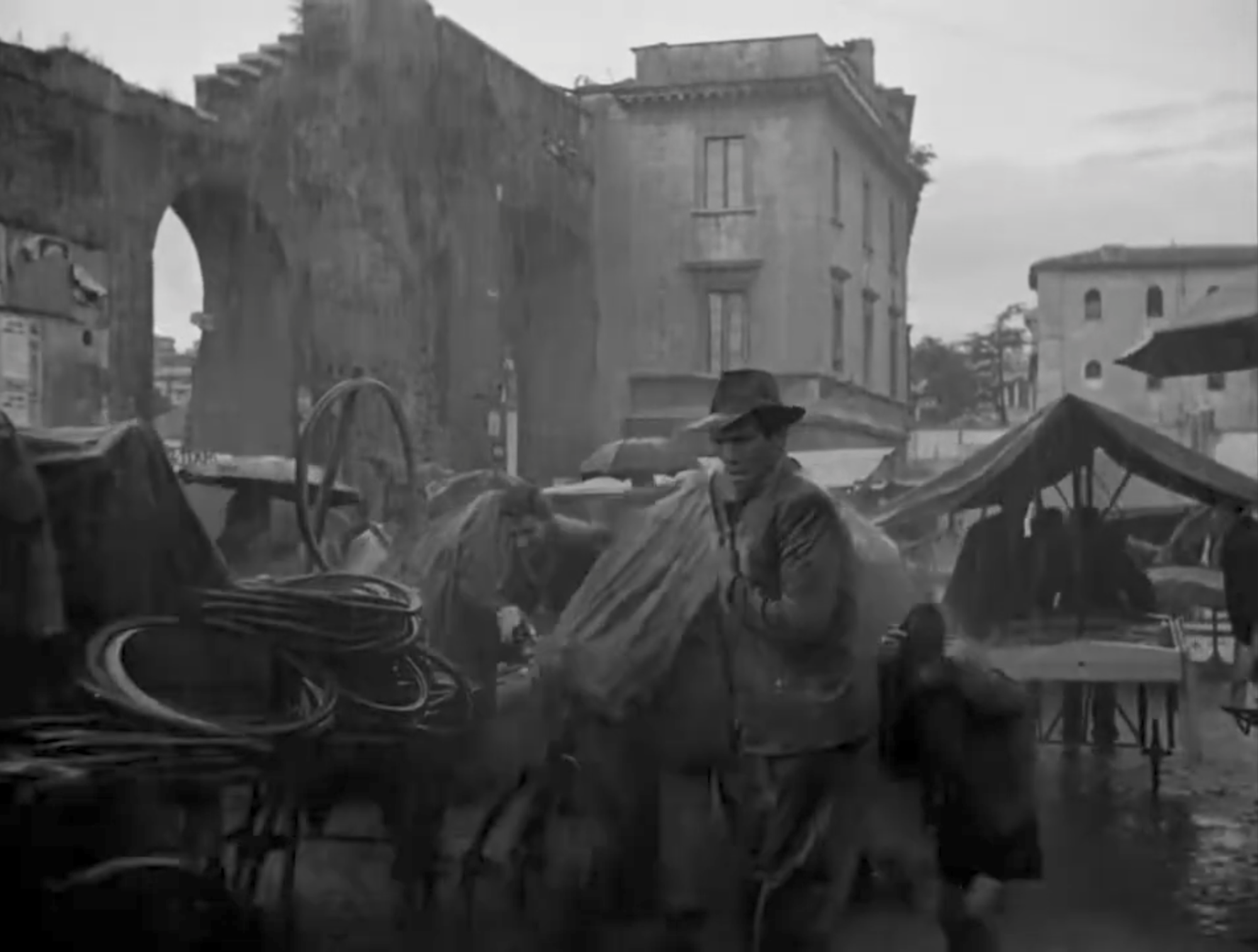
Scene from Ladri di Biciclette
Aesthetically, Neorealism borrowed heavily from documentary filmmaking. Handheld cameras, natural lighting, and long takes were common techniques used to achieve this effect. These elements contributed to a sense of immediacy and intimacy, drawing the viewer into the world of the characters. The handheld camera allowed for greater flexibility and movement, capturing the unpredictability of real life. Natural lighting helped maintain the realism of the scenes, avoiding the artificiality that often comes with studio lighting. Long takes allowed moments to unfold in real time, providing a more immersive and uninterrupted experience for the audience.
The documentary style of Neorealism also extended to the narrative structure, which often lacked the clear resolutions and tidy endings typical of mainstream cinema. Instead, Neorealist films frequently left their stories open-ended, reflecting the ongoing nature of the characters’ struggles and the uncertainty of life. This narrative approach underscored the realism and authenticity of the films, reinforcing the notion that real life does not always conform to neat and predictable patterns.
Films and Directors
Several directors and films are emblematic of the Neorealist movement, each contributing unique perspectives and profound insights into the human condition.
Roberto Rossellini is often considered one of the pioneers of Neorealism. His film Roma Città Aperta [Rome, Open City] (1945) is a landmark film that vividly portrays the Nazi occupation of Rome and the Italian Resistance. Shot soon after the liberation of Rome, the film’s use of actual locations and its depiction of real events gave it a powerful immediacy and emotional impact. The rawness of its storytelling and the blend of professional and non-professional actors set a template for subsequent Neorealist works. Rossellini’s subsequent films, Paisà [Paisan] (1946) and Germania Anno Zero [Germany, Year Zero] (1948), further cemented his reputation. Paisà consists of six episodes depicting interactions between Italians and American soldiers during the Allied liberation of Italy, each segment highlighting cultural differences and shared humanity. Whereas, Germania Anno Zero shifts focus to post-war Berlin, exploring the devastating effects of the war on a young boy, emphasising the universal consequences of conflict.
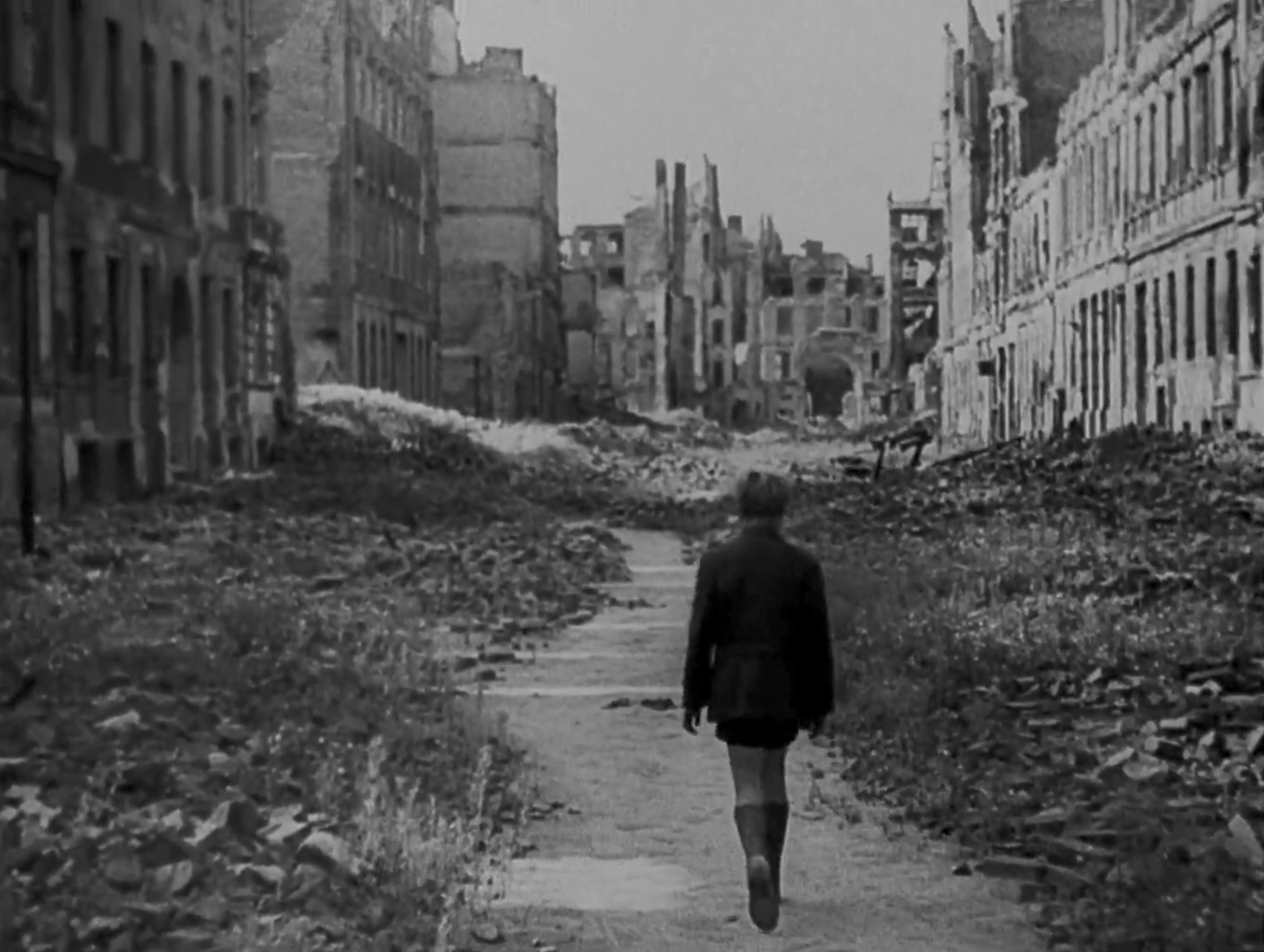
Scene from Germania Anno Zero
Vittorio De Sica’s Ladri di Biciclette [Bicycle Thieves] (1948) is perhaps the most iconic Neorealist film. It tells the poignant story of a man and his young son searching for a stolen bicycle, which is essential for the father’s job and thus the family’s survival. The film’s simplicity and emotional depth, combined with its focus on the harsh economic realities of post-war Italy, struck a chord with audiences worldwide. De Sica’s use of non-professional actors, including the unforgettable performances of Lamberto Maggiorani as the father and Enzo Staiola as his son, added to the film’s authenticity and impact. De Sica’s Umberto D. [Umberto D.] (1952) is another significant work, depicting the life of an elderly pensioner struggling to retain his dignity in the face of poverty and isolation. This film is often praised for its sensitive and compassionate portrayal of its protagonist’s plight, emphasising the themes of human dignity and social justice.
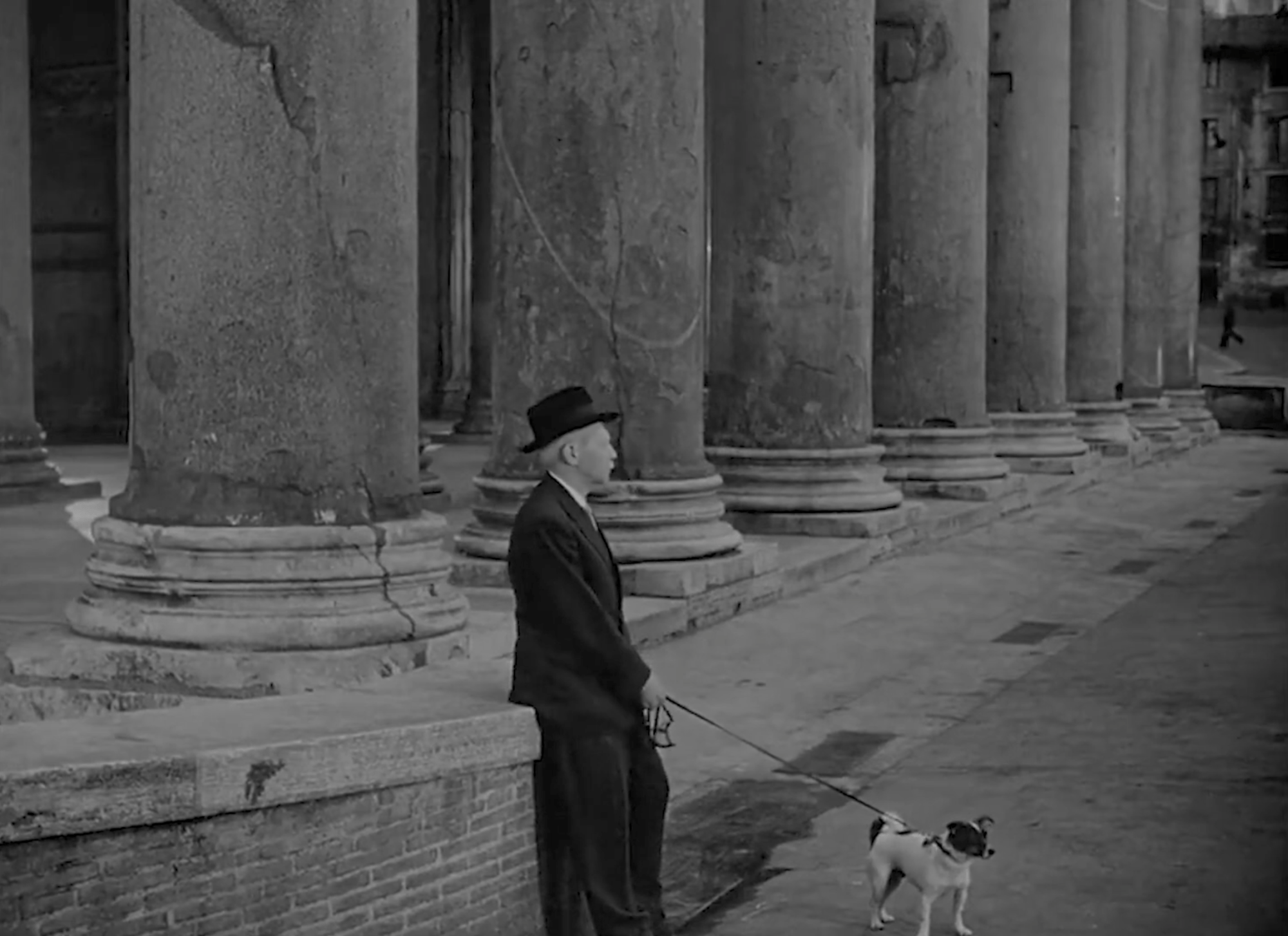
Scene from Umberto D.
Luchino Visconti’s film La Terra Trema [The Earth Trembles] (1948) is a powerful portrayal of the hardships faced by Sicilian fishermen. Shot in the Sicilian village of Aci Trezza with an entirely local, non-professional cast, the film blends documentary realism with epic storytelling. Visconti’s meticulous attention to detail and his commitment to portraying the socio-economic conditions of the fishermen epitomise the Neorealist ethos. The film’s visual style, characterised by its striking compositions and use of natural light, as well as its focus on the collective struggles of the community, underscores the movement’s themes of social realism and human resilience.
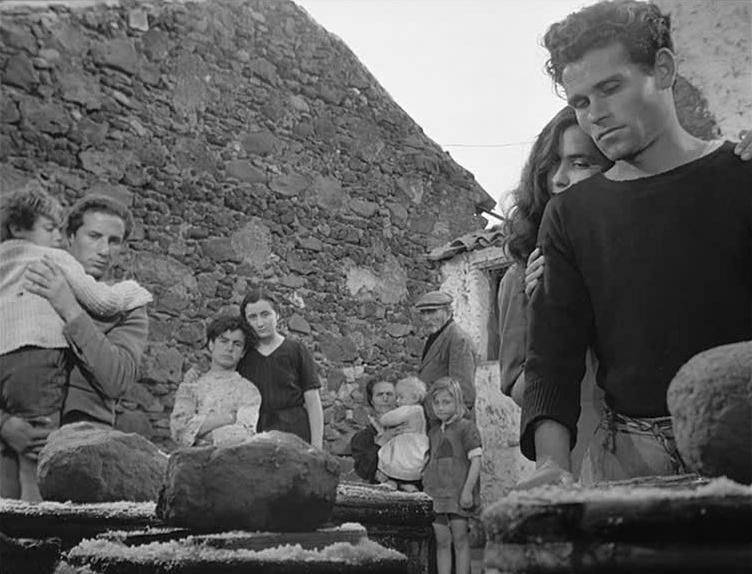
Scene from La Terra Trema
These films and directors played an instrumental role in establishing, defining and popularising Neorealism as a significant and influential movement in, not only Italian cinema but also, world cinema. They not only provided a stark contrast to the cinema of the Fascist era but also offered a new, more truthful form of storytelling that resonated deeply with both Italian and international audiences. Their works are characterised by a profound empathy for their characters and a commitment to exploring social issues through the lens of individual human experiences. This blend of personal and political, of the specific and the universal, is what gives Neorealist films their enduring power and relevance.
Legacy
Though the Neorealist movement was relatively short-lived, peaking in the late 1940s and early 1950s, its influence has been profound and far-reaching. Neorealism has since inspired filmmakers around the world, contributing to the development of various national cinemas and movements. These movements embraced the Neorealist principles of location shooting, naturalistic performances, and a focus on social issues, adapting them to their own cultural and political contexts.
The French New Wave, for example, was heavily influenced by Neorealism. Directors like François Truffaut, Jean-Luc Godard, and Claude Chabrol admired the Italian Neorealists’ rejection of traditional studio filmmaking and their embrace of real locations and everyday stories. This influence is evident in films like Truffaut’s Les Quatre Cents Coups [The 400 Blows] (1959) and Godard’s À Bout de Souffle [Breathless] (1960), which similarly feature naturalistic performances, on-location shooting, and narratives centred on ordinary people. The French New Wave directors also shared the Neorealists’ desire to break away from conventional storytelling techniques and to experiment with new forms of cinematic expression.
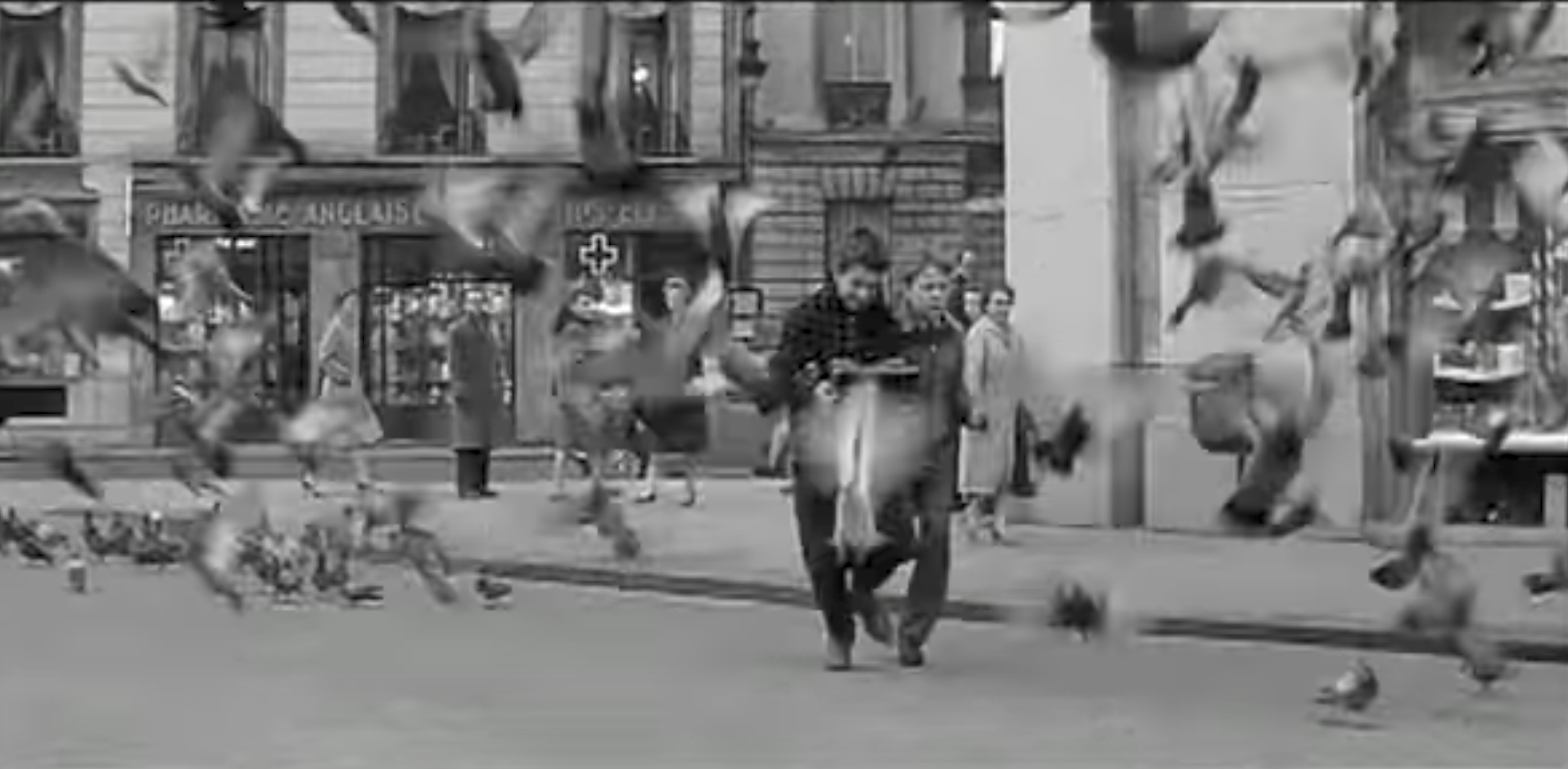
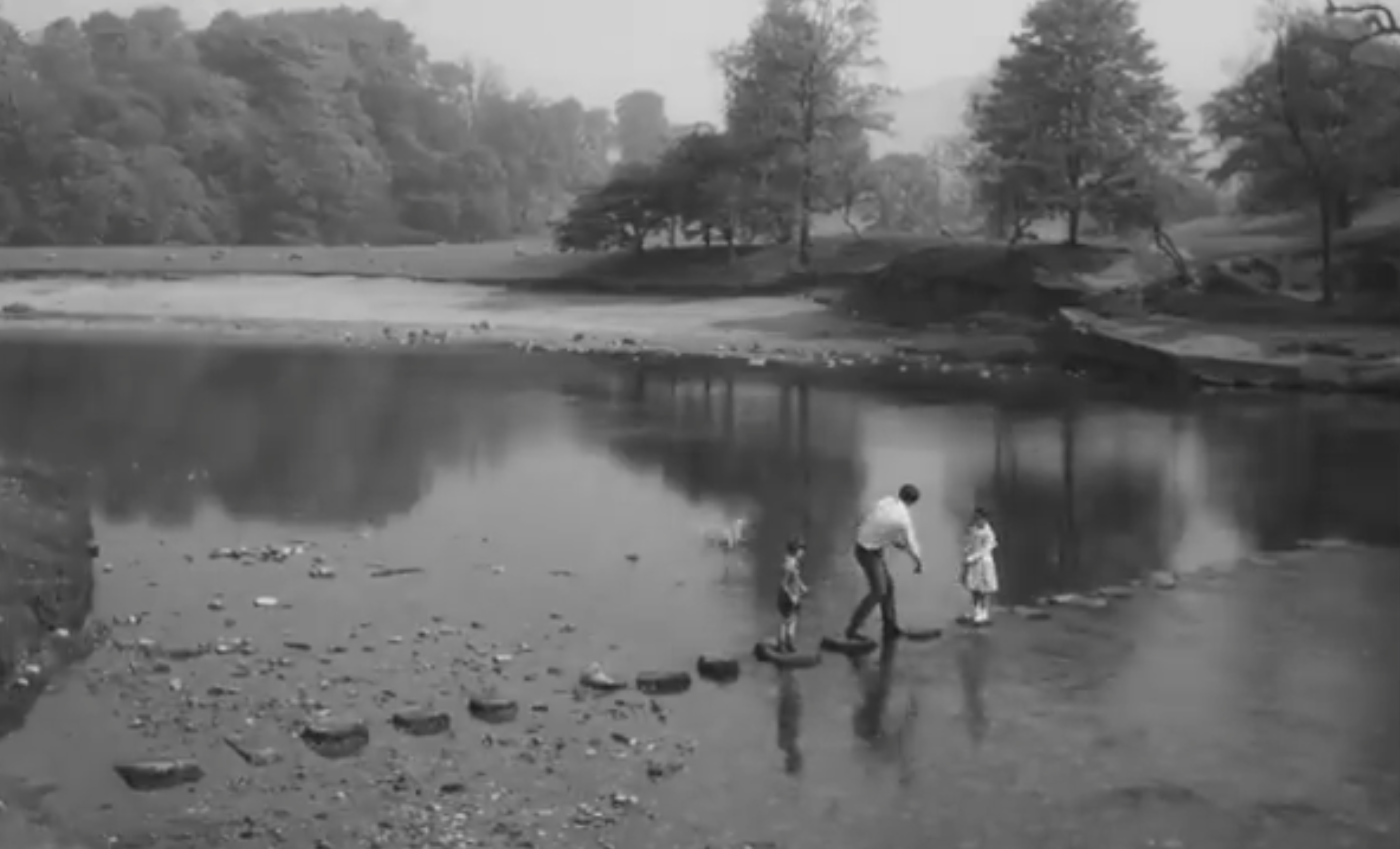
Image 1 – Scene from Les quatre cents coups; Image 2 – Scene from This Sporting Life
In Britain, the British New Wave or the “kitchen sink realism” movement of the late 1950s and 1960s also took inspiration from Neorealism in its portrayal of working-class life and its focus on social issues, and taboo subjects. For instance, directors like Tony Richardson, Lindsay Anderson, and John Schlesinger created films that depicted the struggles and aspirations of ordinary people, often highlighting issues such as class conflict, economic hardship, and personal disillusionment. Films like Richardson’s A Taste of Honey (1961) and Anderson’s This Sporting Life (1963) exemplify this approach, using location shooting and some non-professional actors to achieve a sense of authenticity and immediacy.
The influence of Italian Neorealism reached far beyond Europe.
In India, the Parallel Cinema movement, which emerged in the late 1940s and continued into the 1970s, was also significantly influenced by Italian Neorealism. Filmmakers like Satyajit Ray, Ritwik Ghatak, and Bimal Roy sought to depict the realities of Indian life, often focusing on rural poverty, social injustice, and the struggles of ordinary people. Satyajit Ray’s Pather Panchali [Song of the Little Road] (1955), the first film in his acclaimed Apu Trilogy, is a prime example of this influence. The film’s use of natural locations, non-professional actors, and its empathetic portrayal of a poor family in rural Bengal reflect the Neorealist commitment to social realism and humanistic storytelling.
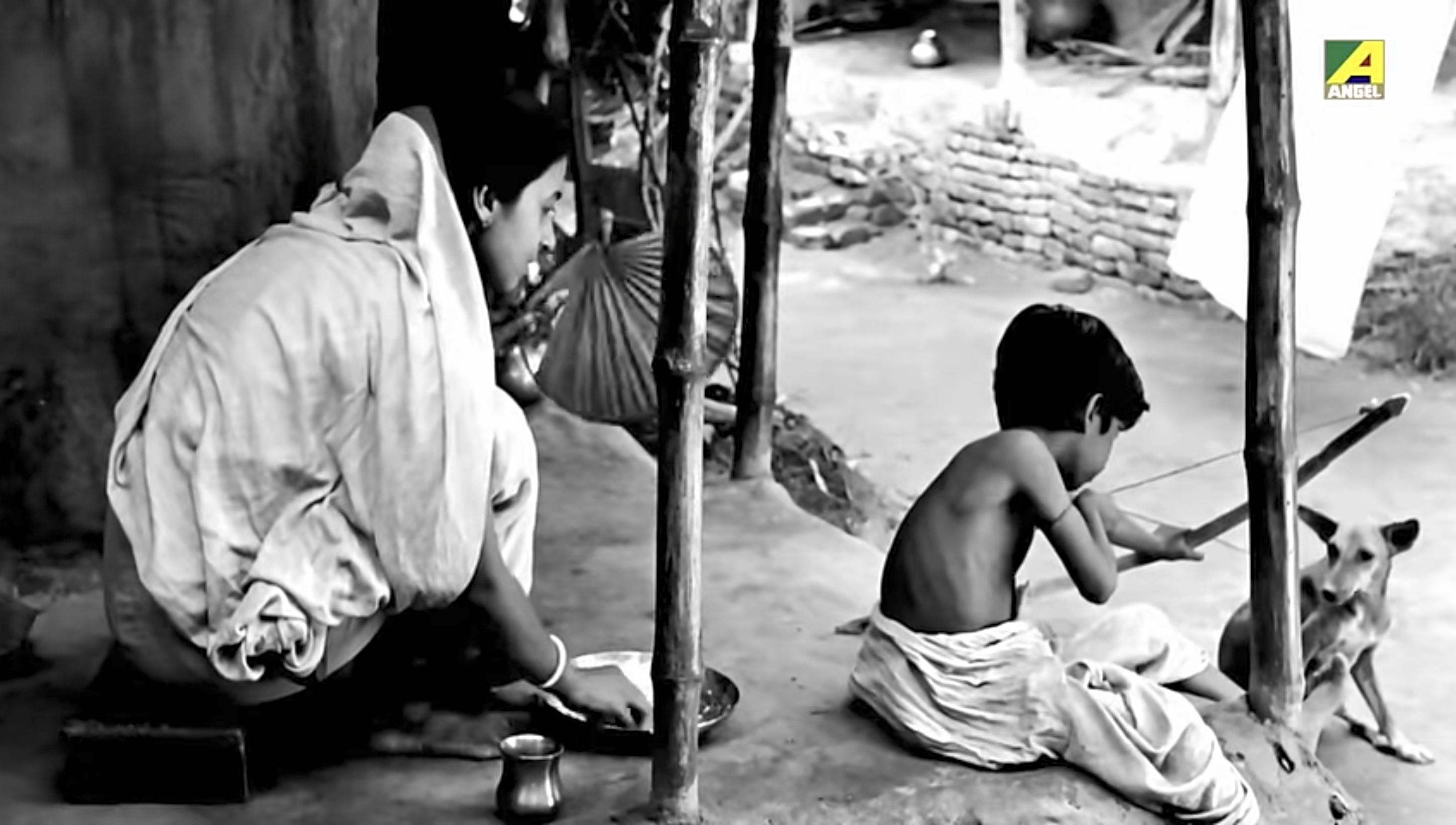
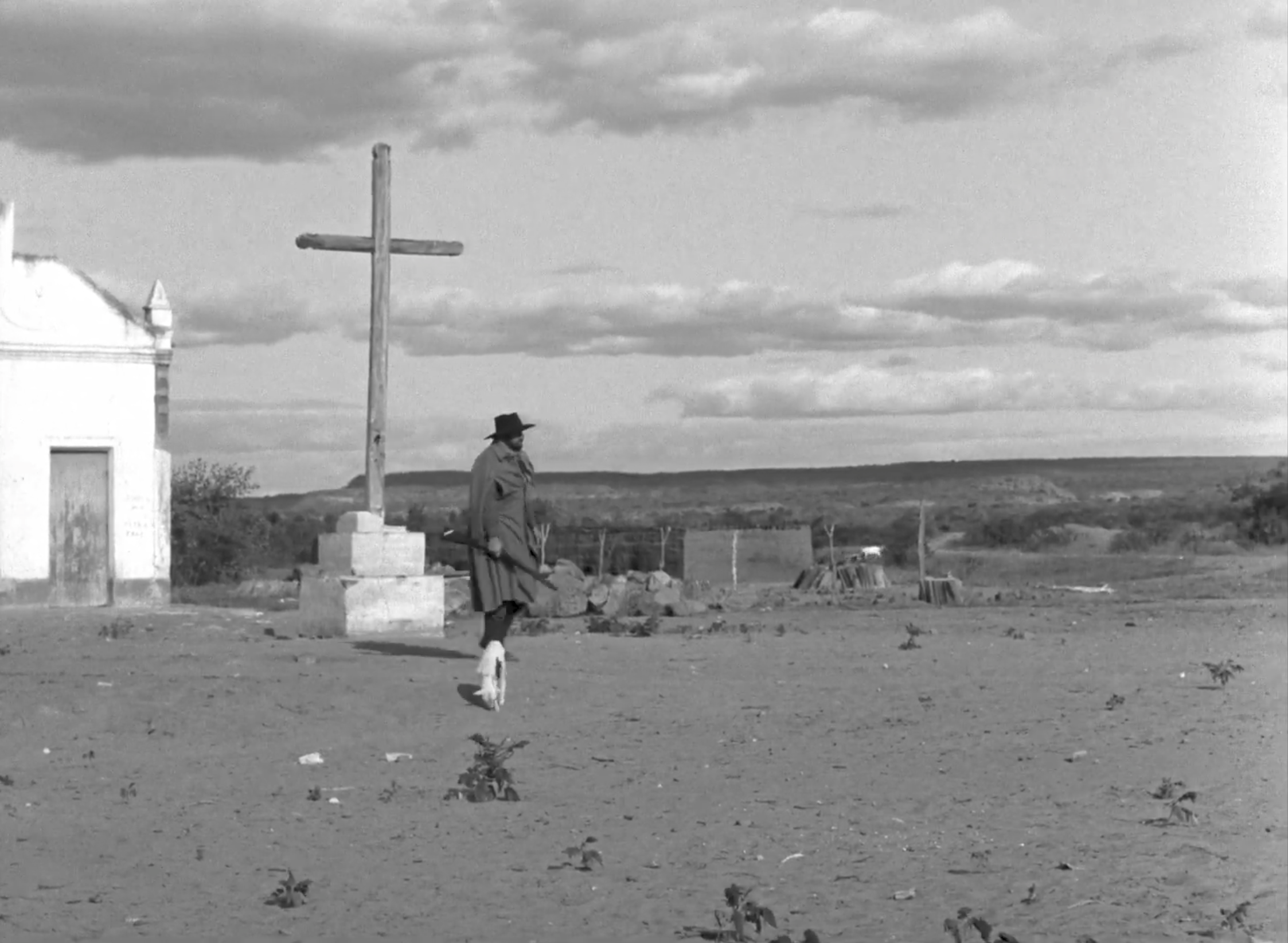
Image 1 – Scene from Pather Panchali; Image 2 – Scene from Deus e o Diabo na Terra do Sol
In Brazil, the Cinema Novo movement of the 1960s, led by filmmakers like Glauber Rocha, Nelson Pereira dos Santos, and Ruy Guerra, drew heavily from Neorealism. These directors used their films to critique social and economic inequalities, often depicting the lives of the poor and marginalized in Brazil. Films like Rocha’s Deus e o Diabo na Terra do Sol [Black God, White Devil] (1964) and dos Santos’s Vidas Secas [Barren Lives] (1963) exemplify the movement’s emphasis on political engagement and social critique, using location shooting and non-professional actors to convey a sense of authenticity and urgency.
The emphasis on realism, social issues, and the human condition resonated deeply, shaping the artistic and narrative approaches of countless directors. Neorealism’s influence extended beyond specific movements, affecting mainstream and independent filmmakers alike. Directors such as Martin Scorsese, Ken Loach, and the Dardenne brothers have acknowledged the impact of Neorealism on their work. Scorsese’s Mean Streets (1973), for example, reflects the Neorealist focus on the gritty realities of urban life, while Loach’s films, such as Kes (1969) and I, Daniel Blake (2016), continue the tradition of socially conscious filmmaking.
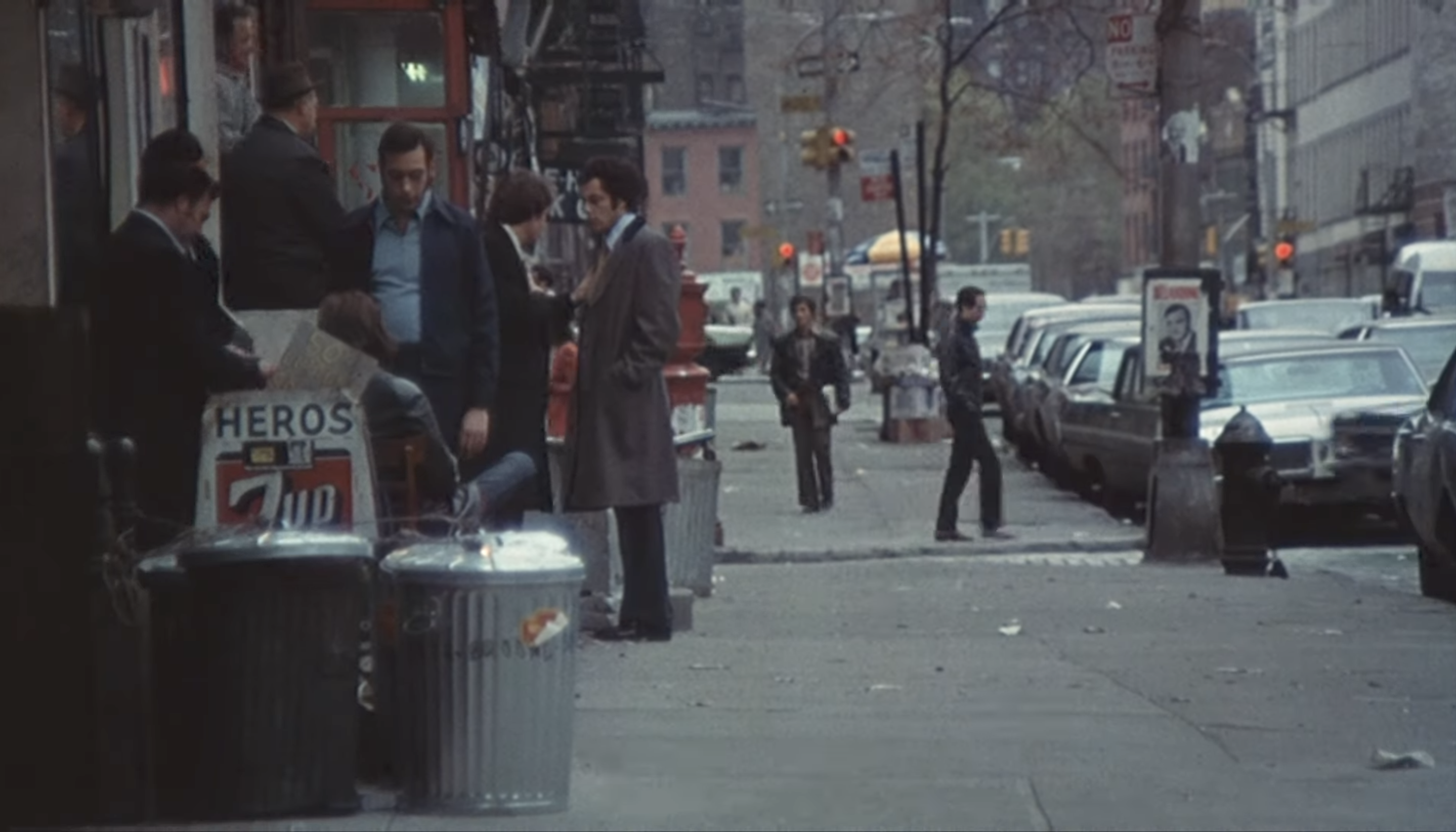

Image 1 – Scene from Mean Streets; Image 2 – Scene from I, Daniel Blake
In Italy, Neorealism laid the groundwork for future cinematic innovations, paving the way for directors like Federico Fellini and Michelangelo Antonioni, who would explore new stylistic and thematic territories while maintaining a commitment to depicting the complexities of human experience. Fellini’s La Strada [The Road](1954) and Antonioni’s L’Avventura [The Adventure] (1960) exhibit the Neorealist influence in their focus on character and environment, even as they push the boundaries of narrative and visual style.
The principles of Neorealism, with its emphasis on authenticity, empathy, and social engagement, continue to inspire contemporary filmmakers around the world. Its legacy is evident in the works of modern directors who seek to portray the human condition with honesty and compassion, using cinema as a tool for social commentary and change. The movement’s enduring impact underscores the power of film to reflect and shape our understanding of the world, making Neorealism a pivotal chapter in the history of cinema.
Italian Neorealism stands as a testament to the power of cinema to reflect and influence society. Through its unflinching portrayal of reality, the movement not only provided a voice to the voiceless but also challenged audiences to confront the pressing issues of their time. By focusing on the lives of ordinary people and depicting their struggles with authenticity and compassion, they not only redefined the art of filmmaking but also provided a powerful commentary on the socio-political realities of their time. Their legacy continues to inspire filmmakers and audiences, reminding us of the enduring power of cinema to reflect and influence society.
 Italy with Amore