You can download our full travel guide for FREE here
The Essence of Palermo
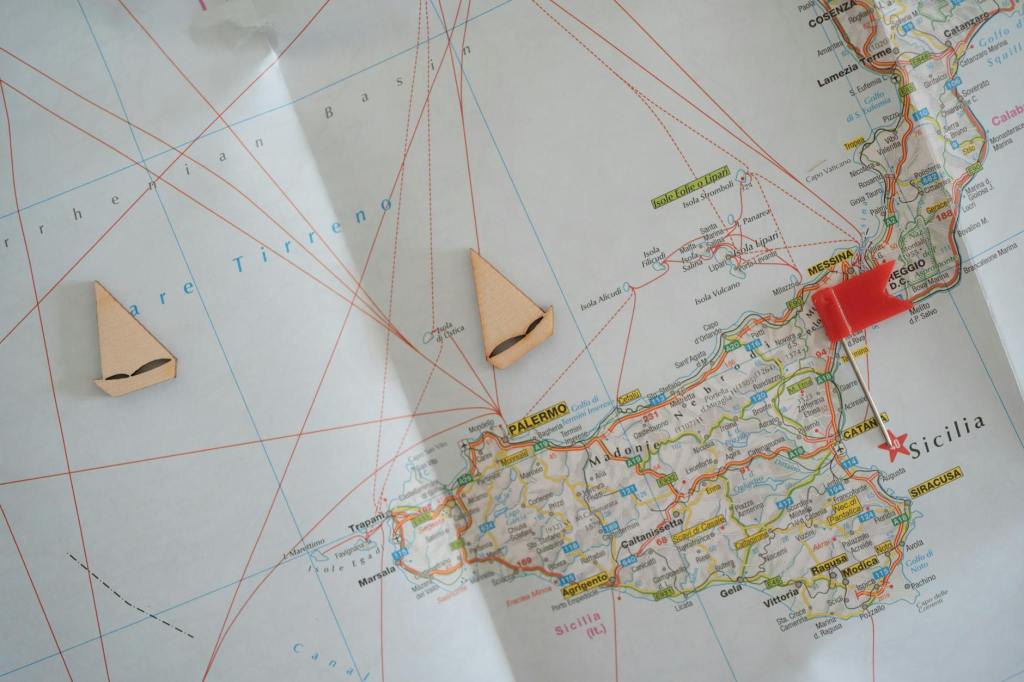
Palermo, the capital of Sicily, is a city of contrasts and deep historical layers. Located on the northern coast of the island, overlooking the Tyrrhenian Sea, Palermo has been a cultural melting pot for over two millennia. From Phoenician settlers and Roman conquerors to Arab traders and Norman kings, the city has absorbed the influence of diverse civilizations, creating a rich tapestry of history, culture, and architecture. Today, Palermo stands as a vibrant testament to its past while thriving as the economic, political, and cultural heart of Sicily.
The city’s origins date back to around 736 BC when it was founded by the Phoenicians, who used its strategic coastal location as a trading hub. Known as Ziz in Phoenician times, the city’s importance grew under Roman rule after the fall of Carthage. However, it was during the Arab period in the 9th and 10th centuries that Palermo truly blossomed into a cosmopolitan city. Subsequent Norman influences, with the Norman conquest in 1072 brought in a new era of prosperity, and created a hybrid “Arab-Norman” identity, which is unique to Palermo and Sicily. Monuments like the Palazzo dei Normanni, La Martorana, and the Palatine Chapel are living relics of this period.
Walking in Palermo
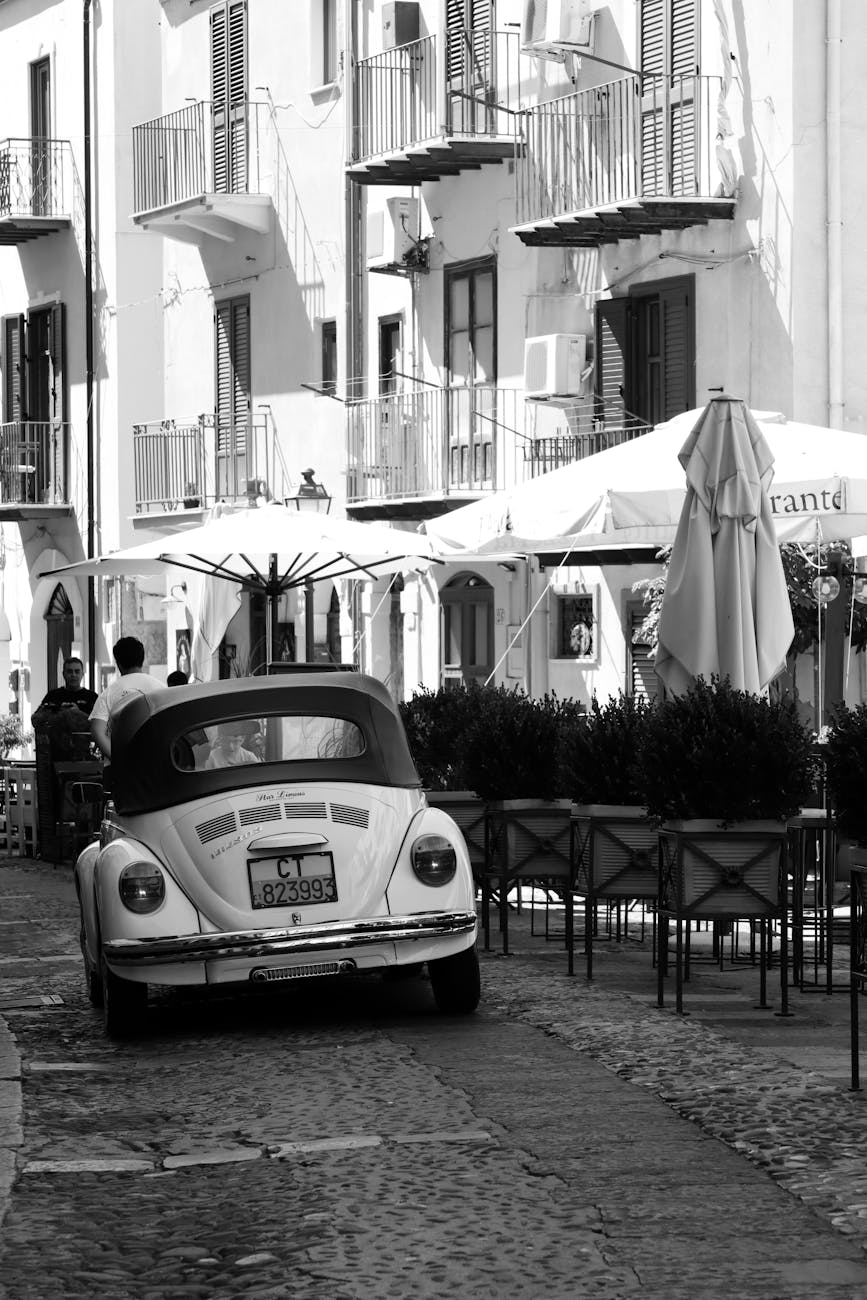
One of the greatest pleasures of walking in Palermo is witnessing how deeply intertwined the past and present are in this ancient city. As you stroll through the streets, you can almost feel the presence of the many civilizations that have shaped Palermo’s history – from the Phoenicians and Greeks to the Romans, Arabs, Normans, and Spaniards. The architectural styles reflect this rich tapestry, with influences from the Arab-Norman period blending seamlessly with Baroque, Gothic, and Renaissance buildings. Walking gives you the freedom to explore at your own pace, taking in these diverse influences while marvelling at Palermo’s ability to preserve its history amidst modernity.
The Historic Centre, known as the Centro Storico: Palermo’s historic centre is compact, making it ideal for pedestrians. Here, you’ll find narrow, winding streets filled with baroque churches, ancient palaces, and open-air markets. Begin your walk at the magnificent Cattedrale di Palermo, a UNESCO World Heritage site that showcases a blend of Norman, Gothic, and Baroque architecture.
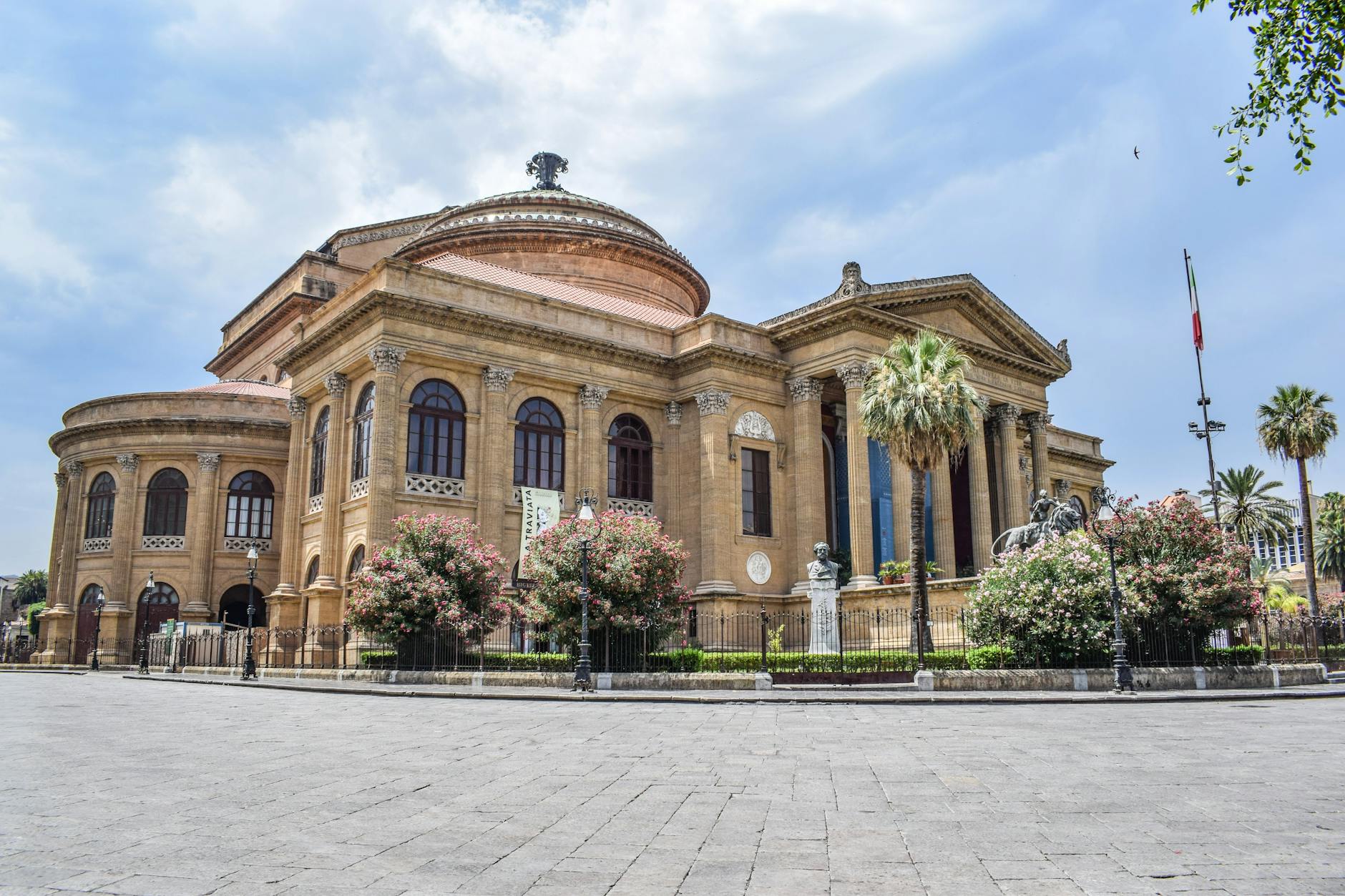
Via Maqueda: A pedestrianized street running through the city centre, lined with shops, cafes, and key landmarks like the Teatro Massimo and Cattedrale di Palermo. It’s a lively street that’s perfect for window shopping, or grabbing a gelato.
Food Walking Tour and Markets: Walking through Palermo’s famous street markets like Mercato Vucciria and Mercato Ballarò gives you a chance to experience the city’s vibrant energy first hand. These markets are a feast for the senses, offering colourful stalls filled with fresh produce, Sicilian street food, and local crafts.
Attractions
Palermo Cathedral is a stunning reflection of the city’s complex history, blending Norman, Gothic, Baroque, and Neoclassical architectural styles. Originally built in 1185, this UNESCO World Heritage site has undergone numerous changes over the centuries. The cathedral’s most famous features include its grand facade and the tombs of Sicilian kings, including Emperor Frederick II.
The Norman Palace (Palazzo dei Normanni) is a grand structure that was once the seat of the kings of Sicily and now houses the Sicilian regional parliament. The crown jewel inside the palace is the Palatine Chapel (Cappella Palatina), a stunning blend of Arab, Norman, and Byzantine art and architecture. The chapel’s intricate mosaics, gilded ceilings, and Islamic-style muqarnas are some of the finest in Europe.
For those fascinated by history with a macabre twist, the Capuchin Catacombs are a must-see. Beneath the Capuchin Monastery lies a series of tunnels that house the preserved remains of over 8,000 people, including monks, nobility, and citizens of Palermo, dating back to the 16th century. Some bodies are so well-preserved that they still wear their original clothing. Among the most famous is the body of Rosalia Lombardo, a little girl who appears eerily lifelike.
The Ballarò Market is one of the oldest and most vibrant street markets in Palermo. Steeped in history, it’s a place where you can truly experience the energy of local life. Stalls overflow with fresh produce, seafood, spices, and street food like the famous “pane con la milza” (spleen sandwich).
One of Italy’s most important archaeological museums, the Museo Archeologico Regionale provides a deep dive into Sicily’s ancient history. Housed in a 17th-century convent, the museum boasts an impressive collection of artefacts from the Phoenician, Greek, and Roman eras. Highlights include the ancient Greek sculptures, bronze statues from Selinunte, and the famous Metopes, which depict scenes from Greek mythology.
One of Palermo’s finest Baroque churches, Chiesa del Gesù is a masterpiece of opulence and grandeur. The church’s interior is a kaleidoscope of colours, with intricate stucco decorations, marble inlays, and vivid frescoes that cover every inch of its walls and ceiling.
Cuisine
Palermo is known for its street food culture, with markets like Ballarò and Vucciria offering an array of tasty treats. Must-try street foods include:
- Arancini, golden-fried rice balls typically stuffed with ragù, mozzarella, or ham. Different varieties of arancini are available in Palermo, sometimes featuring fillings like spinach, pistachio, or butter.
- Panelle, thin chickpea fritters that are often served inside soft bread rolls, creating a simple yet satisfying sandwich. Panelle have a soft, creamy texture and a mild flavour that pairs perfectly with a squeeze of lemon.
- Sfincione, thick, spongy bread is Sicily’s take on pizza, topped with a combination of tomatoes, onions, anchovies, and breadcrumbs instead of the traditional mozzarella cheese found on most pizzas..
Palermo’s traditional dishes are deeply rooted in local ingredients and ancient recipes, where Mediterranean flavours, Arab influences, and local ingredients combine to create a truly unique gastronomic experience. Iconic dishes include:
- Pasta con le Sarde, this dish is a perfect representation of the island’s blend of influences, combining fresh sardines with wild fennel, pine nuts, and raisins. The result is a dish that’s both savoury and slightly sweet, with a unique aroma of anise from the fennel and a briny depth from the sardines.
- Caponata, a sweet-and-sour eggplant stew that perfectly embodies Sicilian cuisine’s love for balancing bold flavours. Made from fried eggplant, tomatoes, onions, olives, capers, and a generous splash of vinegar, caponata is often served as a side dish or appetizer but is hearty enough to stand on its own.
 Italy with Amore