
The category now known as ‘Super Tuscan’ represents one of the most transformative developments in the history of Italian wine. Emerging in the latter half of the 20th century, Super Tuscans were born as a challenge to Italy’s strict appellation laws and evolved into some of the world’s most prestigious and sought after wines. Their story encompasses a complex interplay between tradition and innovation, agricultural reforms, family legacies, and the ambitions of pioneering winemakers who envisioned a new identity for Tuscan viticulture.
The Beginnings
In the immediate aftermath of World War II, Tuscany was marked by economic hardship and agricultural stagnation. In the early 1960s, the region’s longstanding mezzadria system, a historical sharecropping arrangement where landowners and tenant farmers shared the produce of the land, was abolished. This transformed rural life, prompting landowners to innovate or divest. At the same time, in 1963, the Italian Denominazione di Origine Controllata (DOC) system was introduced, which attempted to create order and quality assurance, though inadvertently codified outdated winemaking norms.
For Chianti, this meant legally mandated blends that often included modest proportions of white grapes such as Malvasia and Trebbiano, regardless of their appropriateness. These regulations did not reflect the evolving scientific understanding of viticulture, nor did they accommodate changing global tastes that increasingly favoured more structured, varietal-driven wines aged in small oak barrels.
By the late 1950s and 1960s, a handful of Tuscan landowners and enologists, many of them hailing from aristocratic or historical wine families, began quietly resisting established norms. Their desire to experiment with low yields, French Bordeaux grape varieties, and new cellar practices laid the groundwork for what would become the Super Tuscan revolution.
Marchese Mario Incisa della Rocchetta and Tenuta San Guido
Originally from a Piedmontese noble family, Mario Incisa della Rocchetta, settled in the Bolgheri Tuscany after marrying Clarice della Gherardesca. Inspired by his admiration of Bordeaux wines, he embarked on an unorthodox experiment beginning in the 1940s – he cultivated Cabernet Sauvignon in the maritime hills of Bolgheri, an area that had been considered too rustic and climatically unsuitable for red wine.
His early wines were produced exclusively for personal use, stored for years in the cellar, revealing remarkable longevity and finesse. Encouraged by his son Nicolò Incisa della Rocchetta and cousin, Marchese Piero Antinori, Mario eventually released his Cabernet-based wine to the public as a vino da tavola, or table wine. The official debut 1968 vintage of Sassicaia in 1971 marked a watershed moment in Italian enology.
Sassicaia’s success in blind tastings and commercially during the 1970s and 1980s, forced Italy’s regualtory bodies to reconsider their rigid frameworks. Ultimately, the Bolgheri region received DOC status in 1994, and in 2013 Sassicaia was granted its own exclusive appellation: Bolgheri Sassicaia DOC, a unique recognition for a single estate.
Wines of Tenuta San Guido
- Flagship: Sassicaia (Cabernet Sauvignon and Cabernet Franc)
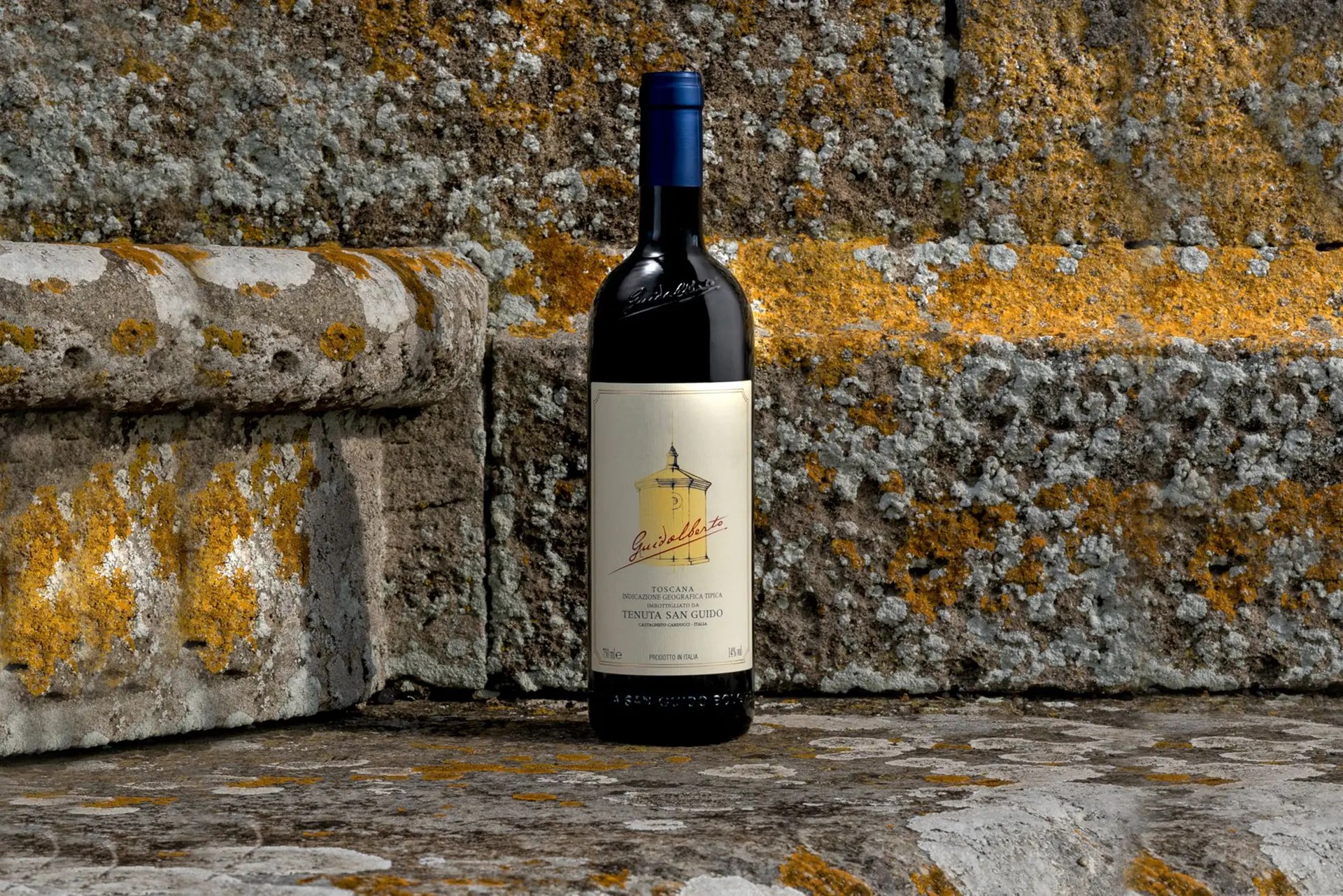
- Second Wine: Guidalberto (introduced in 2000; Merlot and Cabernet Sauvignon)
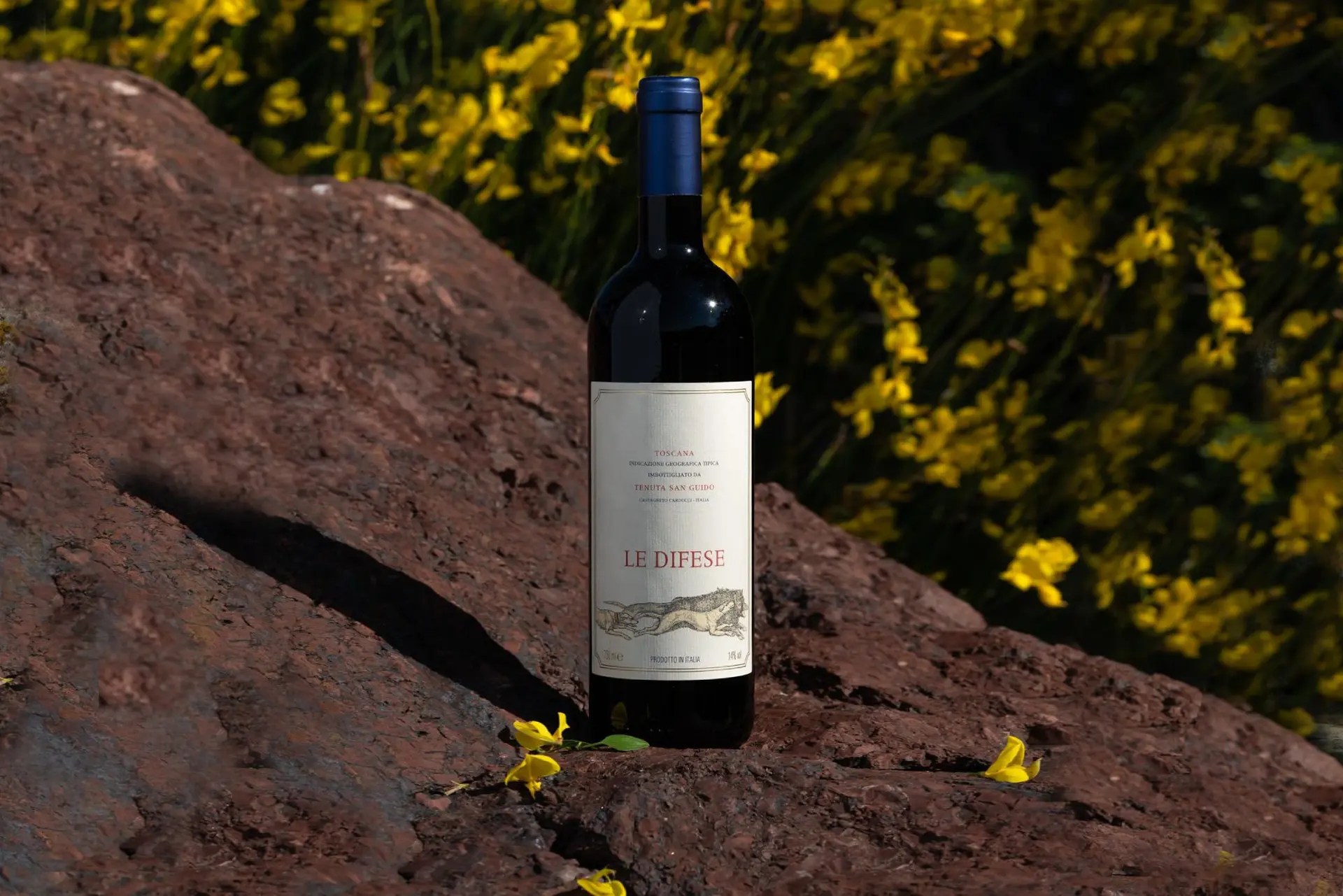
- Third WIne: Le Difese (introduced in 2002; Sangiovese and Cabernet Sauvignon)

The Antinori family’s winemaking history dates back to 1385, making it one of the longest continuously operating wine dynasties in the world. The modern transformation, however, is attributed to Piero Antinori, born in 1938 and assuming the leadership in 1966, he marked the beginning of a scientific and philosophical renaissance within the estate. Under his guidance, and with his collaboration with pioneering enologist Giacomo Tachis, remembered as the father of Super Tuscans, the Piero sought new ways to elevate the quality of their wines while pushing against DOC constraints.
Piero believed that excellence should not be limited by bureaucratic structures and questioned established norms. He began experimenting with non-native varieties and the use of French oak barrels, and appointed Giacomo Tachis in 1961 to lead his revolt, an enologist with a scientific mindset who pioneered the Super Tuscan movement through his collaborations with Antinori and Tenuta San Guido.
Wines of Marchesi Antonori Srl
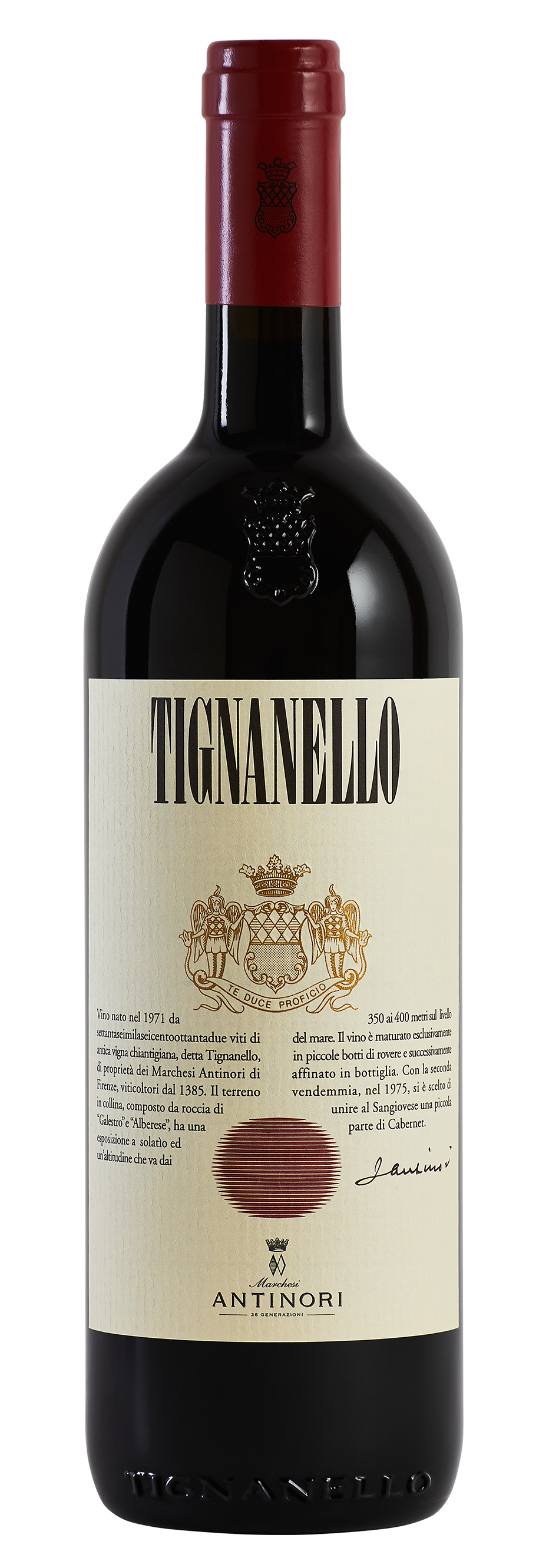
- Flagship: Tignanello (introduced in 1971; Sangiovese-dominant, Cabernet Sauvignon and Cabernet Franc)
- Second Wine: Solaia (introduced in 1978; Cabernet Sauvignon-dominant, Sangiovese, Cabernet Franc)

Marchese Ludovico Antinori and Tenuta dell’Ornellaia
Being born to the Antinori family, Ludovico Antinori represented a younger and more iconoclastic generation than his brother Piero, and was notably less constrained by historical precedent.
In 1981, Lodovico Antinori purchased land in Bolgheri and founded Tenuta dell’Ornellaia. At the time, Bolgheri was still largely considered peripheral within Tuscany, and its reputation was almost entirely tied to Sassicaia. Lodovico undertook extensive soil mapping and vineyard planning, planting a diverse array of Bordeaux varietals, such as Cabernet Sauvignon, Merlot, Cabernet Franc, and Petit Verdot, all tailored to individual plots.
Tenuta dell’Ornellaia was coceived as a modern winery from the start unlike many other traditional Tuscan estates. It integrated advanced viticultural practices and cellar technology. Vineyard density, clonal selection, and harvest timing were closely monitored, reflecting a scientific approach consistent with the emerging Super Tuscan ethos.
Ludovico distinguished Ornellaia stylistically from Sassicaia by collaborating with Michel Rolland, a renowned Bordeaux consultant. Michel Rolland’s role at Ornellaia focused on enhancing fruit expression, managing tannin extraction, and refining barrel aging protocols.
Wines of Tenuta dell’Ornellaia
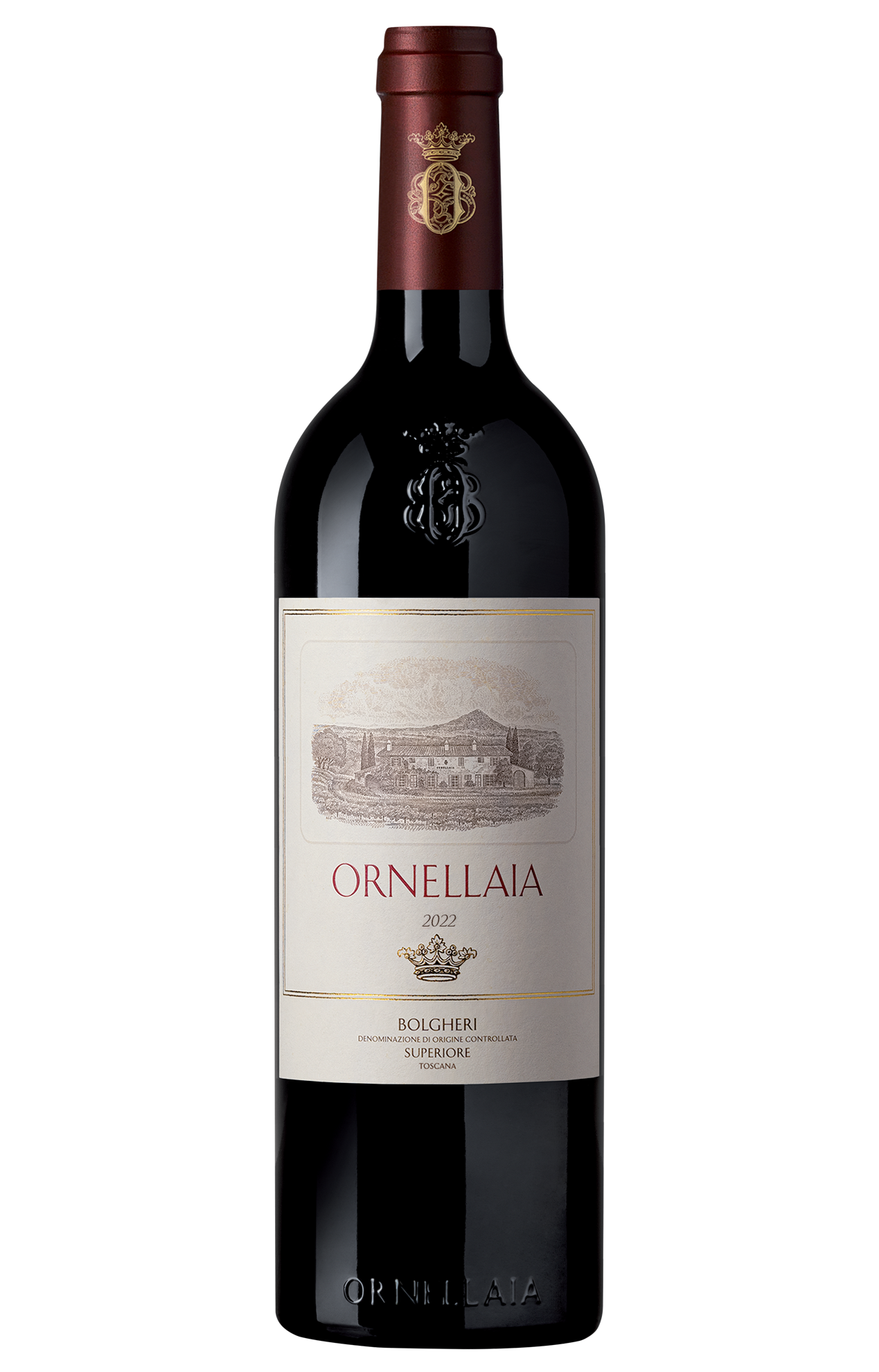
- Flagship: Ornellaia (introduced in 1985; Proportions vary – Cabernet Sauvignon-dominant, Merlot, Cabernet Franc, Petit Verdot)
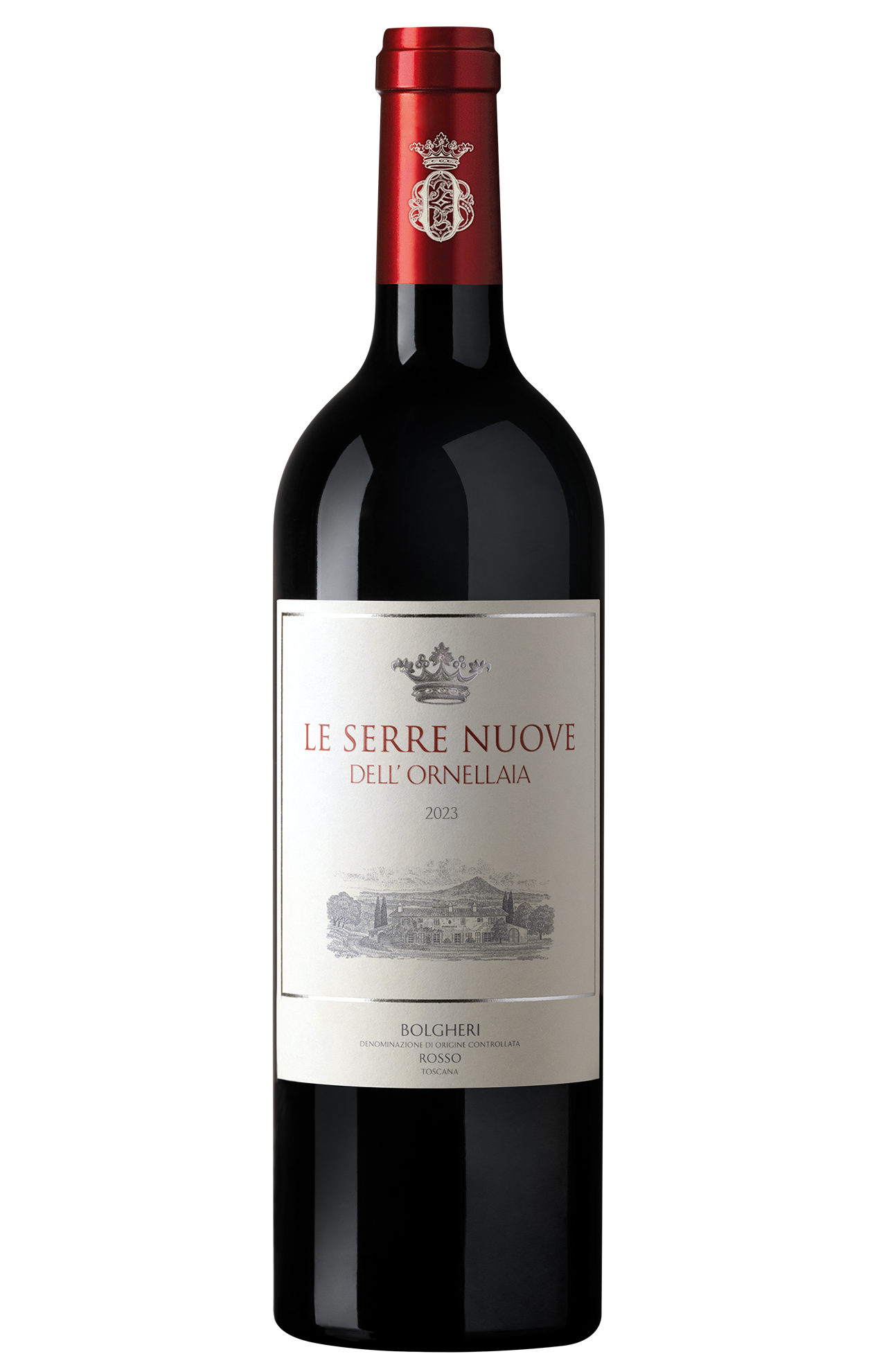
- Second Wine: Le Serre Nuove dell’Ornellaia (introduced in 1997; Proportions vary – Merlot, Cabernet Sauvignon, Cabernet Franc, Petit Verdot)
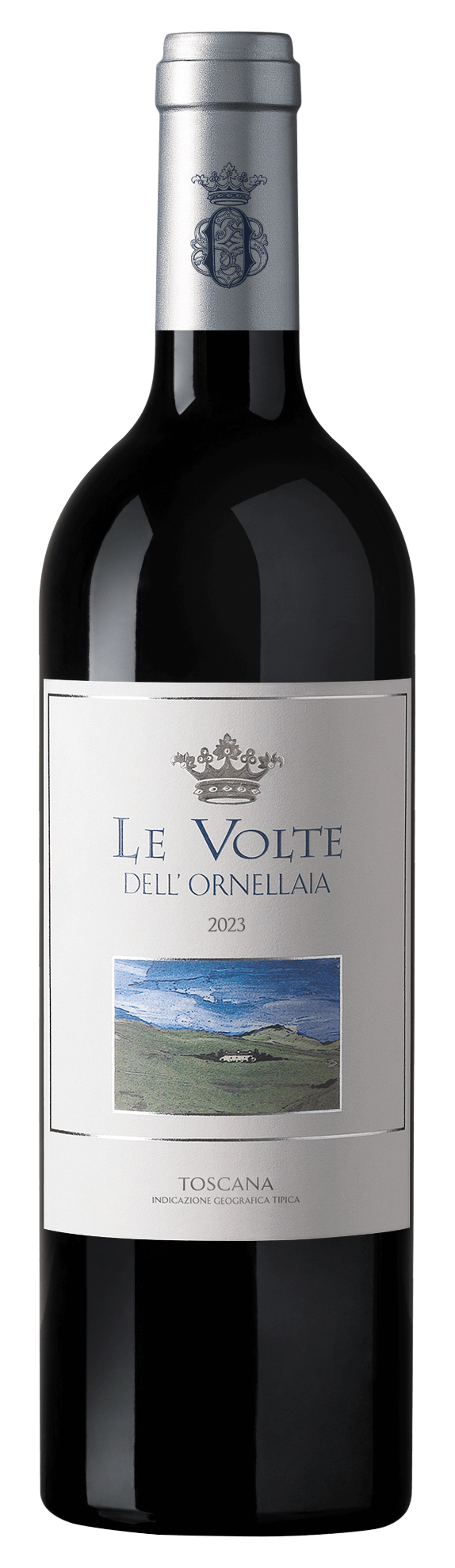
- Third Wine: Le Volte dell’Ornellaia (introduced in 1991; Blend varies – Merlot, Sangiovese, Cabernet Sauvignon)
What once was a overlooked vineyard parcel within Tenuta dell’Ornellaia, is today one of the most revered single-varietal wines in the world. Situated on a gently sloping hillside in Bolgheri, and characterized by heavy blue and grey clay soil in a region dominated by gravel and sandy loam, this parcel was at first considered problematic due to its poor drainage and challenging workability.
Contrary to prevailing assumptions, Lodovico Antinori and consultant Michel Rolland identified the site’s potential for Merlot, a grape variety that thrives in clay-rich soils. The decision to plant Merlot was initially pragmatic rather than aspirational, reflecting a desire to utilize difficult land effectively. However, early vinification revealed extraordinary concentration, depth, and textural richness, setting Masseto apart from the rest of the estate.
The first vintage of Masseto was produced in 1986, vinified separately from Ornellaia, the wine immediately distinguished itself for its density, aromatic intensity, and age-worthiness. Recognizing its singularity, Masseto was formally separated from Ornellaia in 2017, becoming its own estate with a dedicated winery completed in 2019. This architectural and institutional independence underscored Masseto’s evolution from an exceptional vineyard into a fully realized, standalone icon
Wines of Masseto
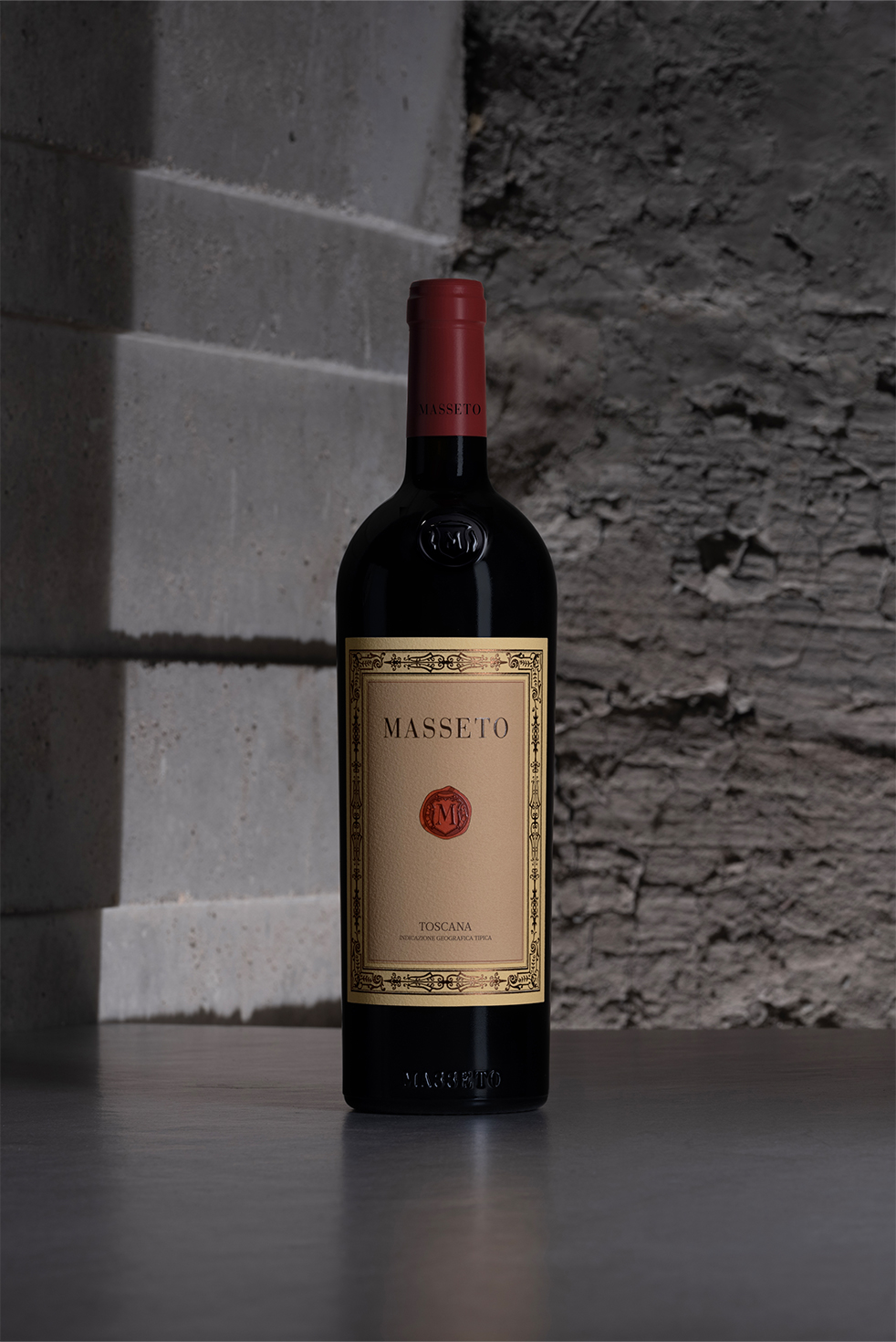
- Flagship: Masseto (introduced 1986; Merlot)
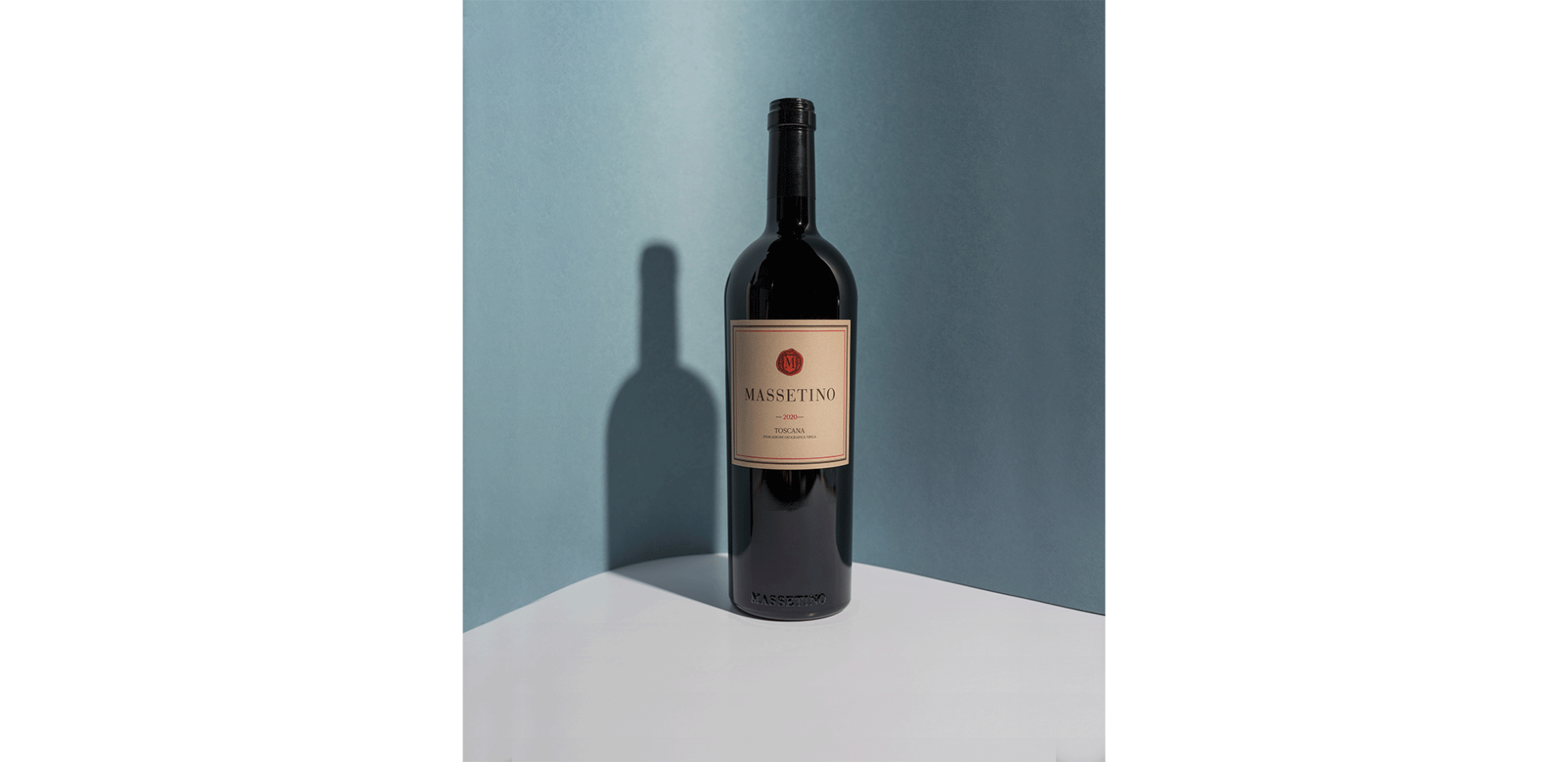
- Second wine: Massetino (introduced 2019; Merlot-dominant with a small percentage of Cabernet Franc)
These wines stand as monuments to the potential of creative freedom within viticulture, proving that excellence often arises when tradition is challenged, reinterpreted, and ultimately elevated.
 Italy with Amore