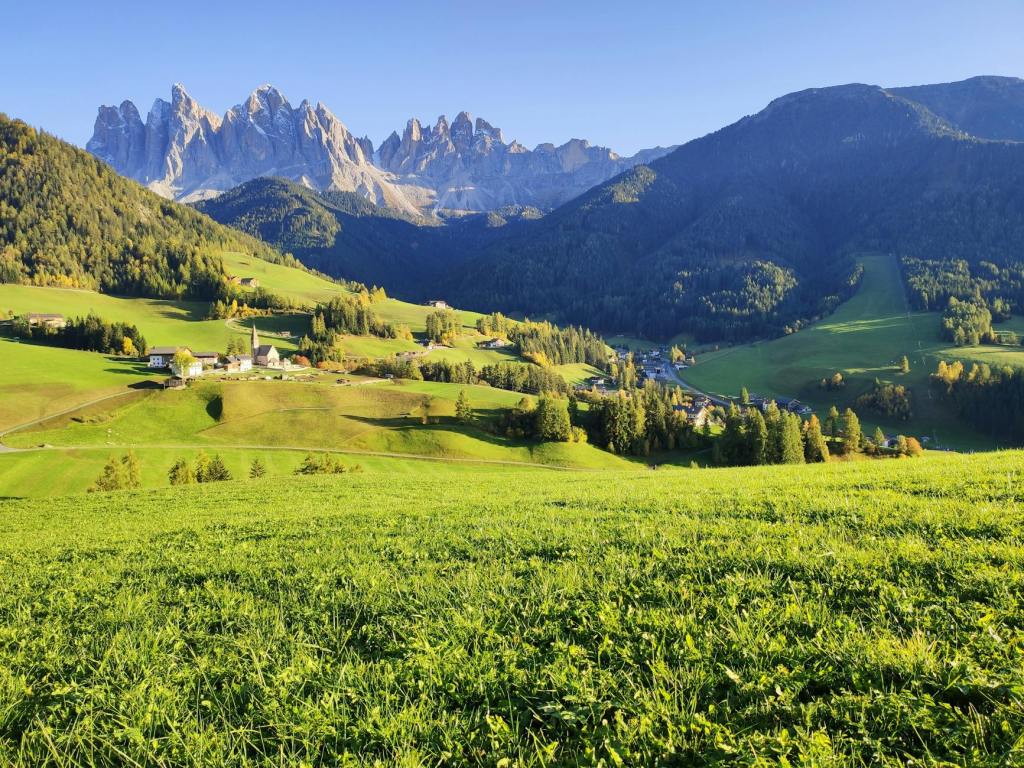
A road trip through the Dolomites offers one of the most immersive ways to experience northern Italy’s alpine landscapes. Designated a UNESCO World Heritage Site, the Dolomites are renowned for their dramatic limestone peaks, cultural depth, and exceptional scenic drives. Unlike Italy’s more familiar coastal and urban destinations, this region reveals a quieter, more contemplative side of the country, one best explored by car.
The Dolomites span several valleys across Trentino-Alto Adige, South Tyrol, and Veneto, each offering distinct landscapes and traditions. While trains and buses serve major towns, a car allows travellers to reach mountain passes, alpine lakes, and remote villages at their own pace.
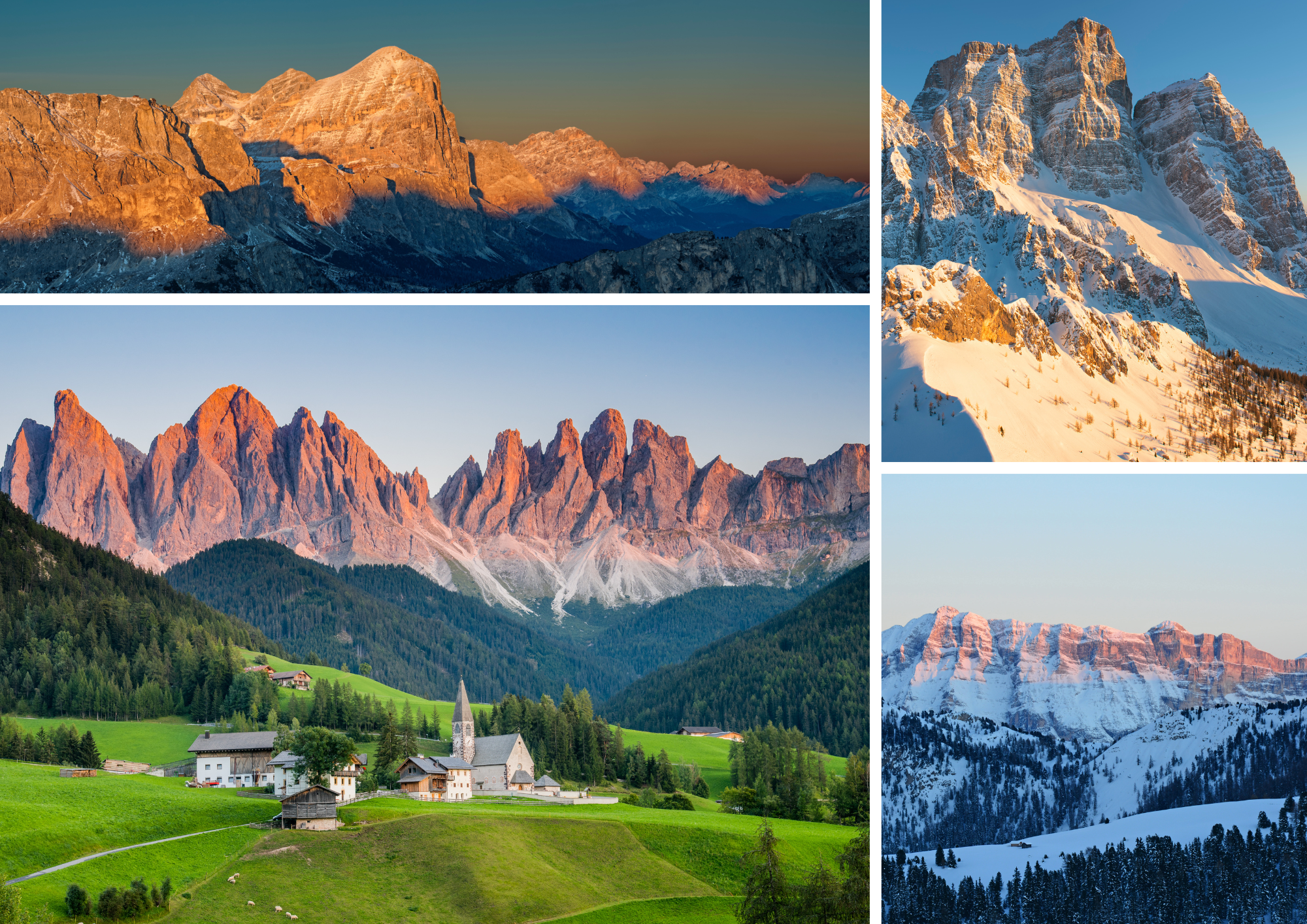
One of the Dolomites’ most distinctive natural phenomena is ‘enrosadira’, when the pale limestone peaks are illuminated in shades of pink and orange at sunrise and sunset. This effect, unique to the mineral composition of the mountains, is especially visible from open valleys and mountain passes.
‘Enrosadira’ is brief and weather-dependent, rewarding those who slow their pace and remain attentive to light and atmosphere.
This guide provides an in-depth look at the most rewarding destinations, routes, and experiences for travellers planning a Dolomites road trip in Italy.
Cortina d’Ampezzo: An ideal Base for a Road Trip in the Dolomites
Cortina d’Ampezzo is one of the most strategic and refined bases for exploring the Dolomites. Located in the eastern part of the range, Cortina combines alpine elegance with excellent infrastructure and access to key scenic routes.
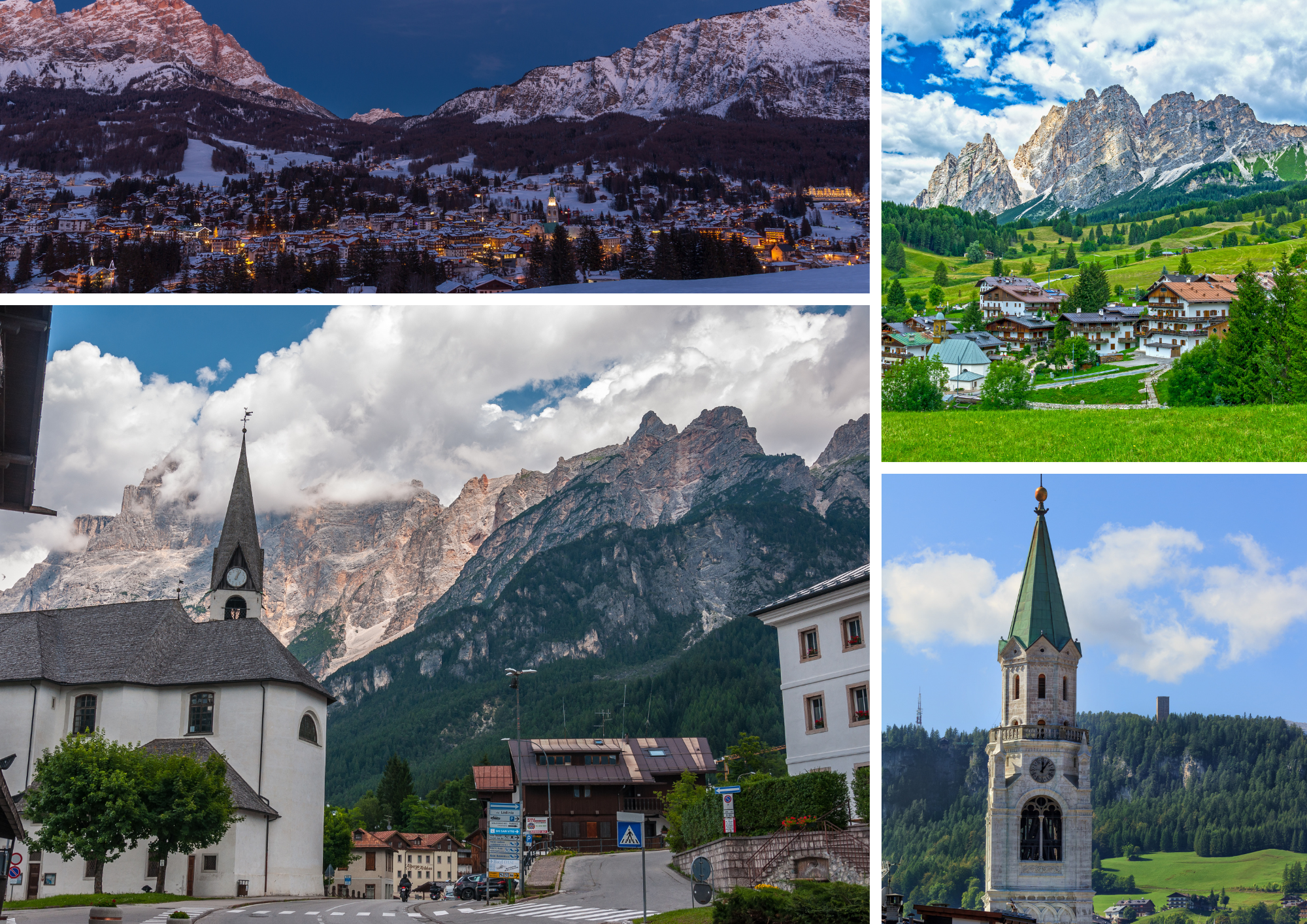
The town gained international prominence after hosting the 1956 Winter Olympics, and it continues to balance sophistication with a strong connection to its mountain setting. From Cortina, travellers can easily reach Tre Cime di Lavaredo, Lago di Misurina, Passo Giau, and Passo Falzarego, making it an efficient starting point for a multi-day itinerary.
Cortina’s historic centre, centred around Corso Italia, reflects the town’s blend of Italian and Central European influences. Accommodations range from luxury hotels and private chalets to well-run boutique properties, while dining options include both refined alpine cuisine and traditional local fare.
Lago di Braies: One of the Most Beautiful Lakes in the Dolomites
Often cited as the most beautiful lake in the Dolomites, Lago di Braies is known for its emerald-coloured waters and dramatic mountain backdrop. Situated in the Fanes-Sennes-Braies Nature Park, the lake is fed by underground springs that give it remarkable clarity and colour.
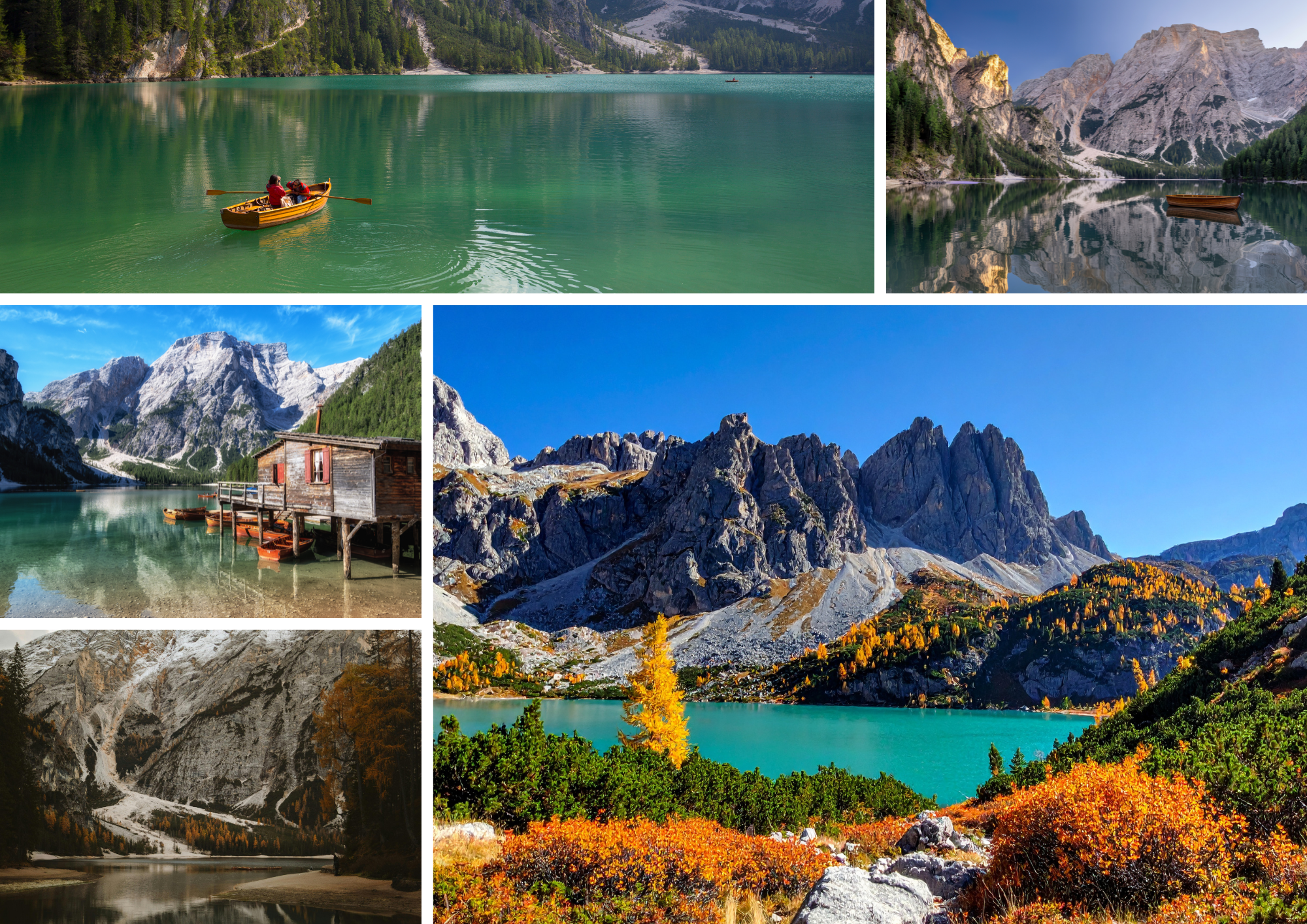
A flat walking path encircles the lake, allowing visitors to explore the shoreline at a relaxed pace. Visiting early in the morning or later in the day helps avoid crowds, particularly during summer. Outside peak season, Lago di Braies offers a sense of tranquillity that fully reflects its natural setting.
Val Gardena: Culture, Cuisine, and Alpine Tradition
Val Gardena lies at the heart of the Dolomites and is one of the region’s most culturally significant valleys. Home to the Ladin people, Val Gardena preserves a distinct linguistic and cultural heritage that predates modern Italy.

Towns such as Ortisei, Santa Cristina, and Selva di Val Gardena are known for their woodcarving traditions, alpine architecture, and well-developed tourism infrastructure. The valley’s cuisine reflects its environment, featuring dishes such as canederli, barley soup, speck, and alpine cheeses.
Val Gardena is also a major hub for hiking in summer and skiing in winter, making it a year-round destination for travellers interested in outdoor activities combined with cultural depth.
The Mountain Passes
The scenic mountain passes are a highlight of any Dolomites road trip itinerary. Routes such as Passo Sella, Passo Gardena, Passo Pordoi, and Passo Giau offer some of the most dramatic driving scenery in Europe.
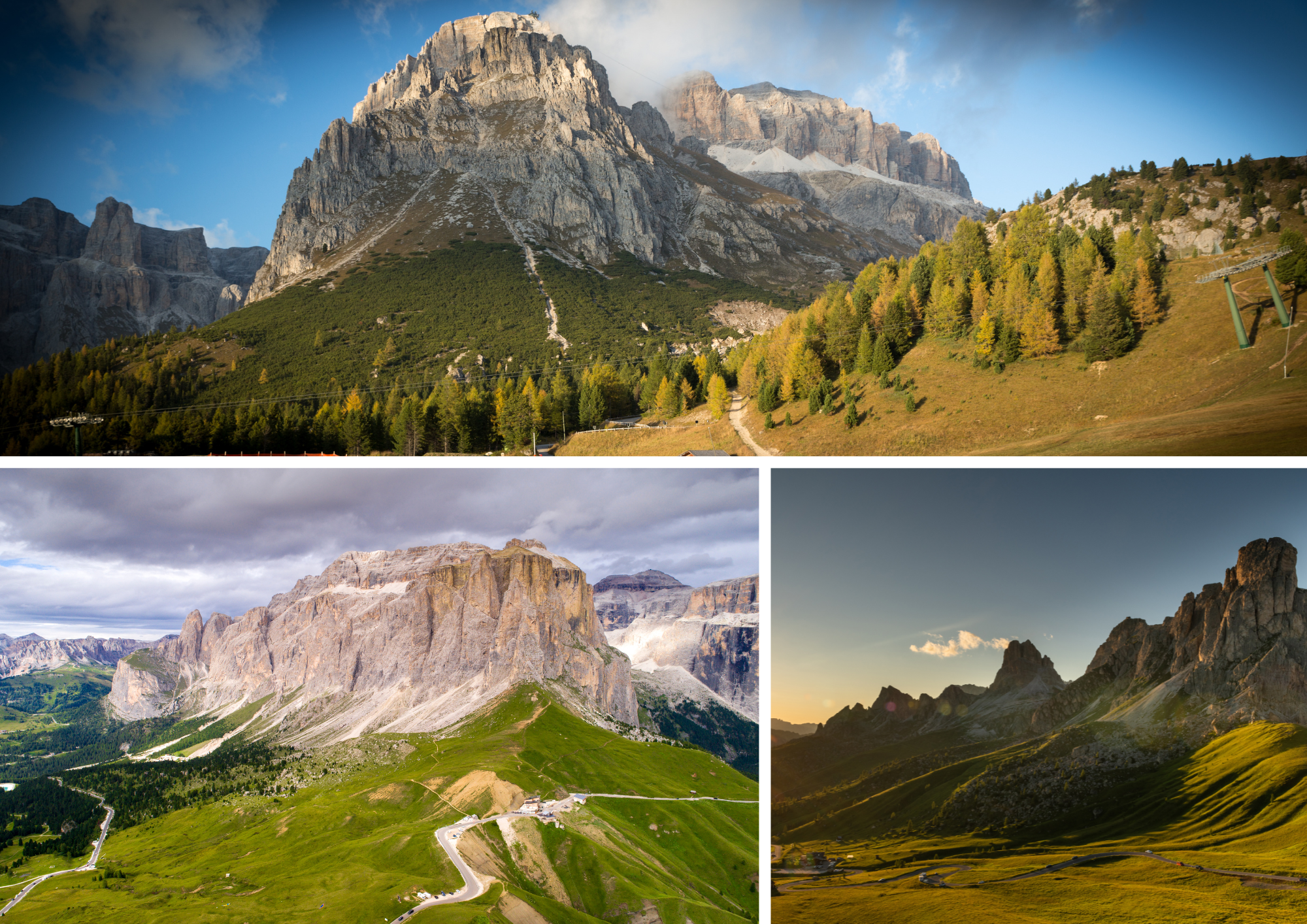
These roads wind through high-altitude landscapes, revealing expansive views of rock formations, alpine meadows, and distant peaks. Regular viewpoints allow for safe stops, and many passes are home to rifugi where travellers can pause for lunch or coffee.
Rather than rushing between destinations, these drives should be approached as integral experiences, where the journey itself is as meaningful as the arrival.
Dining in the Dolomites: Alpine Cuisine
The culinary traditions of the Dolomites are shaped by mountain life and seasonal availability. Rifugi and local restaurants emphasize hearty, nourishing dishes designed to sustain travellers in alpine conditions.
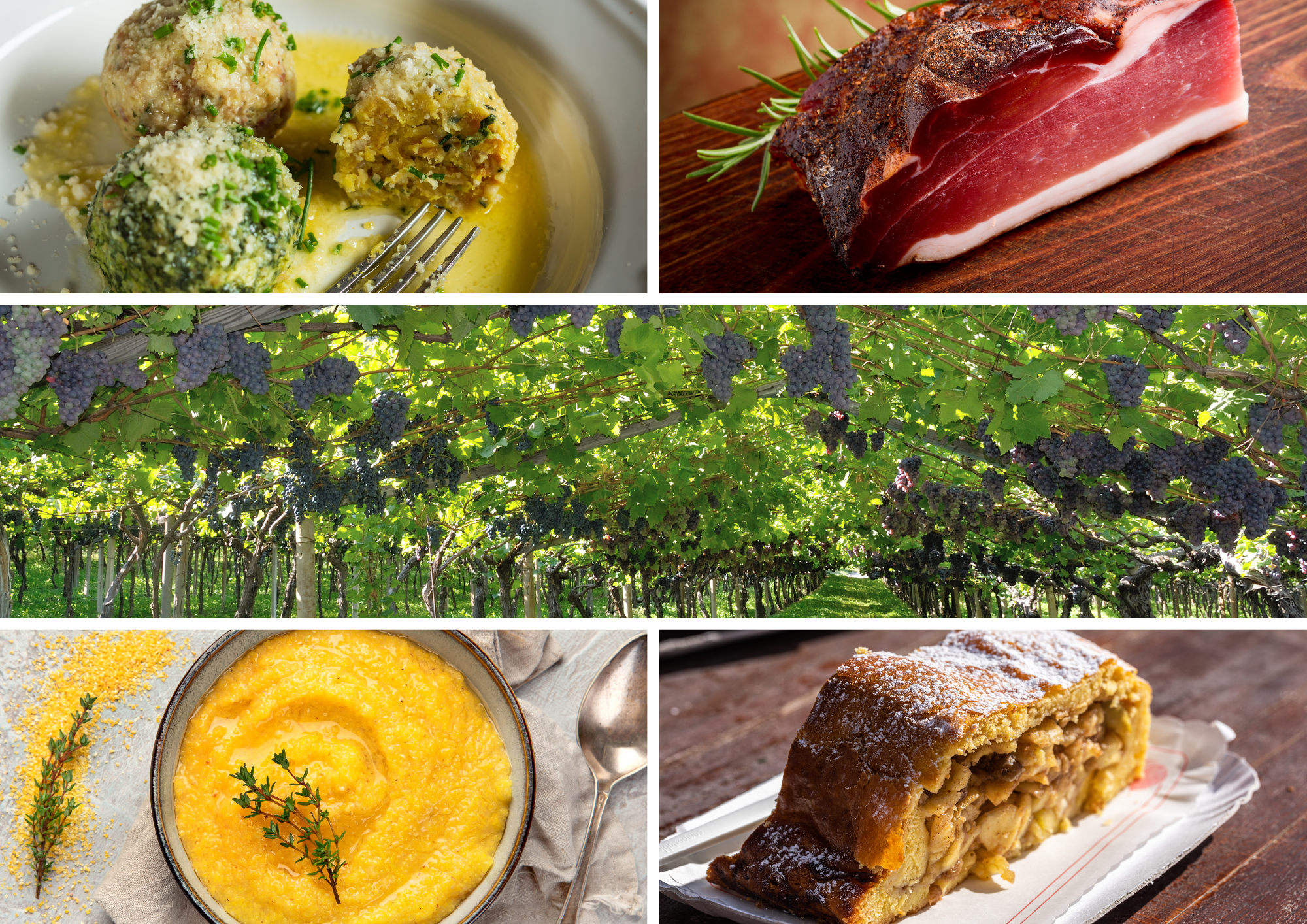
Common specialties include polenta, cured meats, bread dumplings, alpine cheeses, and desserts such as apple strudel. Wines from Alto Adige, including Gewürztraminer, Lagrein, and Pinot Bianco, pair naturally with the region’s cuisine.
Best Time for a Dolomites Road Trip
The best time for a road trip in the Dolomites is from late June to September, when mountain passes are open and weather conditions are stable. July and August are the busiest months, particularly in popular destinations such as Cortina d’Ampezzo and Lago di Braies.
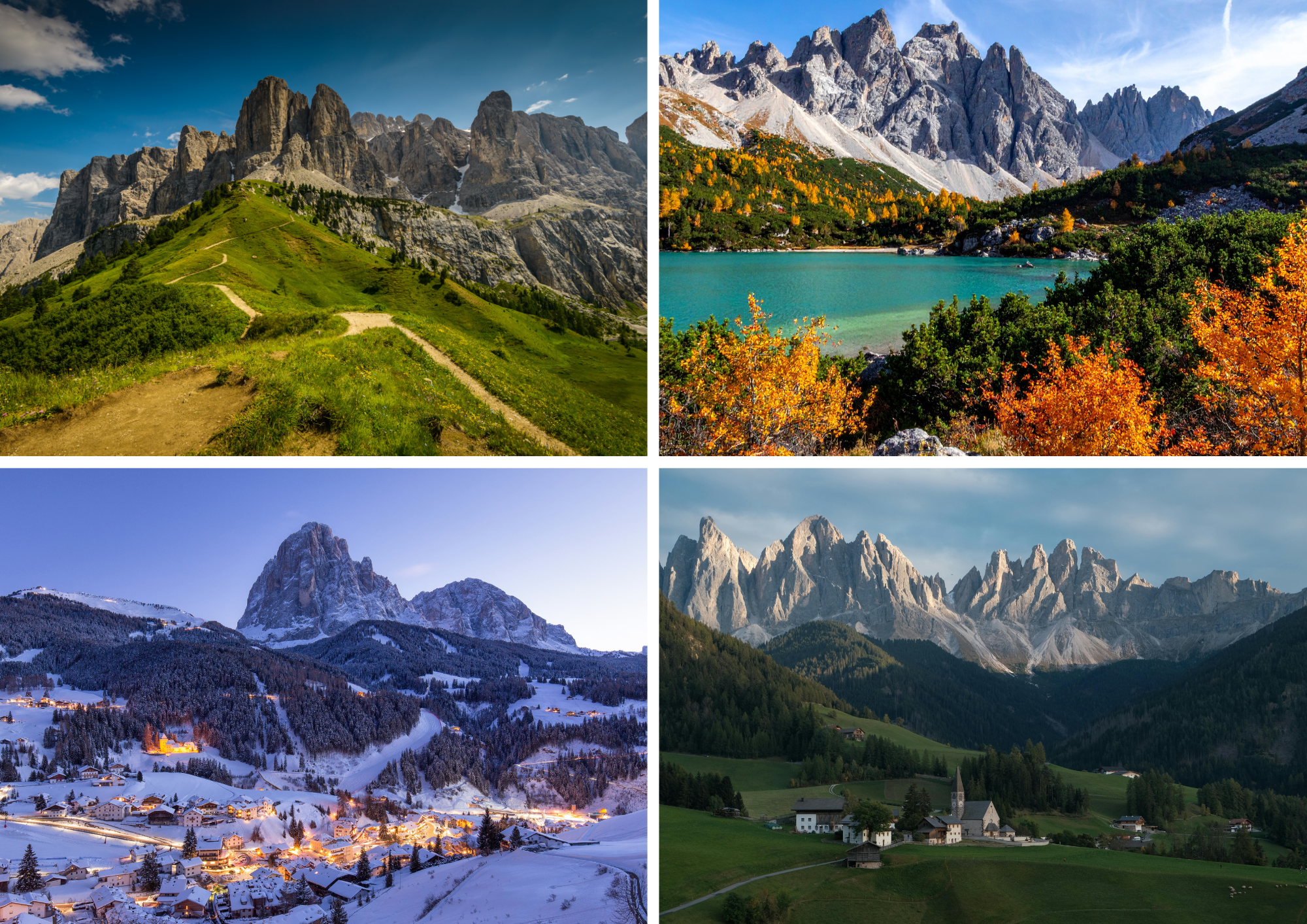
For travellers seeking fewer crowds and cooler temperatures, September is ideal. The changing foliage adds warmth to the landscape, while most hotels, roads, and services remain fully operational.
A road trip through the Dolomites offers a different perspective on Italy. This is a landscape that rewards attention, patience, and an appreciation for subtlety.
 Italy with Amore